

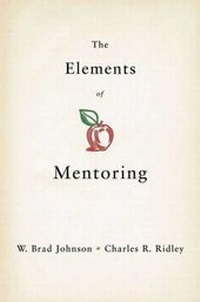
Elements of Mentoring
Published on 17. April 2004
Book
Hardback
146 pages
978-1-4039-6401-4 (ISBN)
Description
Patterned after Strunk and White's classic The Elements of Style, this short reference concisely summarizes the substantial existing research on the art and science of mentoring. Although there are a number of successful books addressing mentoring, this book reduces the wealth of published theory on the topic to the fifty most salient and pithy truths for supervisors in all fields. The book is arranged into six parts, which clearly organize these key elements of successful mentoring: 1) What Excellent Mentors Do, 2) Traits of Excellent Mentors, 3) Arranging the Mentor Protege Relationship, 4) Mentoring and Integrity, 5) When Things Go Wrong, and 6)Welcoming Change and Saying Good bye.
More details
Language
English
Place of publication
Gordonsville
United States
Publishing group
Palgrave USA
Target group
College/higher education
Professional and scholarly
Dimensions
Height: 220 mm
Width: 150 mm
Thickness: 19 mm
Weight
315 gr
ISBN-13
978-1-4039-6401-4 (9781403964014)
Copyright in bibliographic data and cover images is held by Nielsen Book Services Limited or by the publishers or by their respective licensors: all rights reserved.
Schweitzer Classification
Other editions
New editions
W. Brad Johnson | Charles R. Ridley
The Elements of Mentoring
Book
03/2009
2nd Edition
Palgrave Macmillan
€23.51
Shipment within 15-20 days
Additional editions
E-Book
06/2015
2nd Edition
St. Martin's Press
€18.18
Available for download
Persons
W. Brad Johnson is Assistant Professor of Psychology in the Department of Leadership, Ethics & Law at the US Naval Academy and a Faculty Associate in the Graduate School of Business and Education at Johns Hopkins University. He is author of three books. Charles R. Ridley is Professor of Counselling Psychology and Associate Dean for Research at the Indiana University Graduate School. He has written one book published by Sage.
Content
What Excellent Mentors Do: Matters Of Skill; Choose Proteges Selectively; Know Your Proteges; Expect Excellence (and Nothing Else); Affirm, Affirm, Affirm, and Then Affirm Some More; Provide Sponsorship; Be a Teacher and a Coach; Encourage and Support; Offer Counsel in Difficult Times; Protect When Necessary; Stimulate Growth with Challenging Assignments; Promote Exposure and Visibility Within the Organization; Nurture Creativity; Provide Correction (Even When Painful); Self-disclose When Appropriate; Accept Increasing Friendship and Mutuality; Model Intentionally; Traits Of Excellent Mentors: Matters Of Style And Personality; Exude Warmth; Listen Actively; Practice Unconditional Regard; Embrace Humor; Tolerate Protege Imperfection; Attend to Interpersonal Cues; Be Trustworthy; Resist Jealousy; Arranging The Mentor-Protege Relationship: Matters Of Beginning; Carefully Consider the 'Match'; Communicate Expectations Clearly; Define Relationship Boundaries; Describe Potential Risks and Benefits; Address Issues of Gender; Address Issues of Race; Plan for Change at the Outset; Schedule Periodic Reviews or Evaluation; Knowing Thyself As A Mentor: Matters Of Integrity; Acknowledge the Benefits and Risks of Being a Mentor; Honor Your Own Needs; Ensure Competence; Make Proteges Accountable; Respect the Power of Attraction; Accept the Burden of Power; Practice Humility; Avoid Exploitation; When Things Go Wrong: Matters Of Restoration; Above All, Do No Harm; Slow Down the Process; Be Clear, Direct, and Truthful; Seek Consultation; Document Carefully; Dispute Your Irrational Thinking; Welcoming Change And Saying Goodbye: Matters Of Closure; Welcome Growth and Change; Accept Endings; Find Helpful Ways to Say Goodbye; Mentor as a Way of Life; References; Appendix