

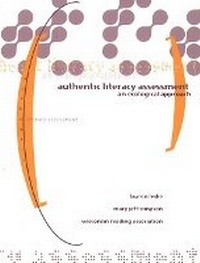
Authentic Literacy Assessment
Published on 22. December 1999
Book
Paperback/Softback
320 pages
978-0-321-01235-7 (ISBN)
Description
Authentic Literacy Assessment supports thorough coverage of the latest assessment practices with a wealth of case studies. This text successfully reviews the process of implementing ecological assessment in classrooms while emphasizing the change in thinking that must accompany the use of new assessment strategies.
More details
Language
English
Place of publication
United States
Publishing group
Pearson Education (US)
Target group
Professional and scholarly
Dimensions
Height: 276 mm
Width: 215 mm
Thickness: 9 mm
Weight
699 gr
ISBN-13
978-0-321-01235-7 (9780321012357)
Copyright in bibliographic data and cover images is held by Nielsen Book Services Limited or by the publishers or by their respective licensors: all rights reserved.
Schweitzer Classification
Content
I. FOUNDATIONS FOR AN ECOLOGICAL APPROACH TO AUTHENTIC ASSESSMENT.
1. Changes in Views of Learning and Assessment.
2. Why Do We Assess?
3. Why Should We Assess Ecologically.
4. Reading Development.
5. Writing Development.
6. Constructing a Developmental Writing Continuum.
II. ECOLOGICAL PORTFOLIO SYSTEMS FOR READING AND WRITING.
7. Creating the Context and Goals for Assessing and Reading and Writing.
8. The Portfolio System - "The Big Picture."
9. Professional Observation - A Central Component of an Ecological Portfolio System.
10. Organizing a Teacher Observation Notebook.
III. OBSERVING READING AND WRITING WITHIN THE ECOLOGICAL PORTFOLIO SYSTEM.
11. Introduction... Integrating Assessment and Instruction.
12. Observing Reading: The Running Record and Comprehension.
13. Observing for Reading Strategies, Independence, Metacognitive Awareness, Level of Reading Acquisition, Attitudes and Interests, Engagement, and Purposive Reading.
14. The Working Portfolio for Reading.
15. Observing Writing.
16. The Working Portfolio for Writing.
17. Getting Started and Wrapping Up: "Roaming around the Known" and Developing Showcase Portfolios.
18. Communicating Student Literacy Development to Parents.
IV. ECOLOGICAL ASSESSMENT IN PRACTICE.
19. There Must Be Something Wrong, We're Having Too Much Fun.
20. Literacy Portfolios in the Intermediate Grades: "Under Construction."
21. Elementary School Writing Assessment: A Developmental Perspective.
V. ECOLOGICAL ASSESSMENT: REPORTING BEYOND THE CLASSROOM.
22. Issues of Reliability and Validity.
23. Communicating Information Beyond the Classroom.
Dear Readers.
References.
Additional Resource Material for Constructing an Ecological Assessment System.
Appendix: Forms You Might Use.
1. Changes in Views of Learning and Assessment.
2. Why Do We Assess?
3. Why Should We Assess Ecologically.
4. Reading Development.
5. Writing Development.
6. Constructing a Developmental Writing Continuum.
II. ECOLOGICAL PORTFOLIO SYSTEMS FOR READING AND WRITING.
7. Creating the Context and Goals for Assessing and Reading and Writing.
8. The Portfolio System - "The Big Picture."
9. Professional Observation - A Central Component of an Ecological Portfolio System.
10. Organizing a Teacher Observation Notebook.
III. OBSERVING READING AND WRITING WITHIN THE ECOLOGICAL PORTFOLIO SYSTEM.
11. Introduction... Integrating Assessment and Instruction.
12. Observing Reading: The Running Record and Comprehension.
13. Observing for Reading Strategies, Independence, Metacognitive Awareness, Level of Reading Acquisition, Attitudes and Interests, Engagement, and Purposive Reading.
14. The Working Portfolio for Reading.
15. Observing Writing.
16. The Working Portfolio for Writing.
17. Getting Started and Wrapping Up: "Roaming around the Known" and Developing Showcase Portfolios.
18. Communicating Student Literacy Development to Parents.
IV. ECOLOGICAL ASSESSMENT IN PRACTICE.
19. There Must Be Something Wrong, We're Having Too Much Fun.
20. Literacy Portfolios in the Intermediate Grades: "Under Construction."
21. Elementary School Writing Assessment: A Developmental Perspective.
V. ECOLOGICAL ASSESSMENT: REPORTING BEYOND THE CLASSROOM.
22. Issues of Reliability and Validity.
23. Communicating Information Beyond the Classroom.
Dear Readers.
References.
Additional Resource Material for Constructing an Ecological Assessment System.
Appendix: Forms You Might Use.