

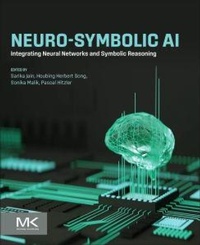
Neuro-Symbolic AI
Integrating Neural Networks and Symbolic Reasoning
Will be published approx. on 1. October 2026
Book
Paperback/Softback
300 pages
978-0-443-45432-5 (ISBN)
Description
Neuro-Symbolic AI: Integrating Neural Networks and Symbolic Reasoning explores the convergence of two historically distinct paradigms in artificial intelligence-data-driven neural networks and logic-based symbolic reasoning. This book presents a comprehensive roadmap of this emerging hybrid discipline, offering deep theoretical insights, practical methodologies, and transformative applications across diverse research sectors, including healthcare, finance, engineering, and autonomous systems. It is structured into four parts-Foundational Principles, Hybrid Models and Techniques, Real-World Applications, and Emerging Challenges, bringing together cutting-edge research and expert perspectives to highlight how Neuro-Symbolic AI enhances interpretability, reasoning capabilities, and trust in intelligent systems.
While neural networks have achieved remarkable success in perception and pattern recognition tasks, they often lack the reasoning, transparency, and generalizability that symbolic systems excel at. Conversely, symbolic AI lacks the flexibility and scalability of deep learning. This handbook directly addresses these challenges by providing a structured approach to Neuro-symbolic AI, presenting rigorous theoretical foundations, state-of-the-art hybrid techniques (e.g., knowledge graphs, compositionality, category theory), and diverse real-world applications. This book consolidates research insights, methodological innovations, and practical use cases into a single, accessible volume.
While neural networks have achieved remarkable success in perception and pattern recognition tasks, they often lack the reasoning, transparency, and generalizability that symbolic systems excel at. Conversely, symbolic AI lacks the flexibility and scalability of deep learning. This handbook directly addresses these challenges by providing a structured approach to Neuro-symbolic AI, presenting rigorous theoretical foundations, state-of-the-art hybrid techniques (e.g., knowledge graphs, compositionality, category theory), and diverse real-world applications. This book consolidates research insights, methodological innovations, and practical use cases into a single, accessible volume.
More details
Content
Section I. Foundations of Neuro-Symbolic AI
1. Neuro-Symbolic AI. Origins, Evolution, and Future Outlook
2. Knowledge Representation in AI
3. Evolution of Neural Networks. From Basic Perceptrons to Advanced Deep Learning
4. Neural vs. Symbolic Approaches to AI. an Analysis
5. Neuro-Symbolic Advantages. Enhanced Generalization via Integrated Architectures
Section II. Neuro-symbolic AI Models and Techniques
6. Hybrid Models and Integrative Techniques
7. Representation Learning in Hybrid Systems
8. From Propositionalization to Deep Relational Machines
9. Embedding Logic into Neural Networks
10. Neuro-Symbolic Toolkit. Using Logic Tensor Networks (LTN) and Related Platforms
11. Logic-Driven Learning. Merging Neural Networks with Formal Rules
Section III. Applications and Use Cases
12. Neuro-Symbolic AI in Natural Language Processing
13. FAIR Neuro-Symbolic Pipelines for Transparent Semantic Annotation. A Framework for Structured and Explainable Knowledge Extraction
14. Visual Reasoning and Robotics
15. Neuro-Symbolic for Scientific Discovery through Physics-Informed Simulation
16. Neuro-symbolic AI for Explainable and Interpretable Systems
17. Concept based Alignment and Explainability in Neurosymbolic Systems
18. Real-World Applications of Neuro-Symbolic AI. Bridging Reasoning and Learning for Intelligent Systems
19. Case Studies in Healthcare, Cybersecurity, and Education
Section IV. Challenges, Ethics, and Future Directions
20. Positioning This Book Among Existing Titles
21. Neurosymbolic Agentic AI. Architectures, Integration Patterns, Applications, Open Challenges and Future Research Directions
22. Scalability and Optimization of Hybrid Models
23. Ethics, Trust, and Transparency in AI Systems
24. Sustainability, Security, and the Road Ahead
25. Neuro-Symbolic AI’s Role in Achieving General AI
26. Looking Ahead. Neuro-Symbolic AI’s Role in Achieving the long-term goal of human and machine co evolution
27. Concluding Chapter
1. Neuro-Symbolic AI. Origins, Evolution, and Future Outlook
2. Knowledge Representation in AI
3. Evolution of Neural Networks. From Basic Perceptrons to Advanced Deep Learning
4. Neural vs. Symbolic Approaches to AI. an Analysis
5. Neuro-Symbolic Advantages. Enhanced Generalization via Integrated Architectures
Section II. Neuro-symbolic AI Models and Techniques
6. Hybrid Models and Integrative Techniques
7. Representation Learning in Hybrid Systems
8. From Propositionalization to Deep Relational Machines
9. Embedding Logic into Neural Networks
10. Neuro-Symbolic Toolkit. Using Logic Tensor Networks (LTN) and Related Platforms
11. Logic-Driven Learning. Merging Neural Networks with Formal Rules
Section III. Applications and Use Cases
12. Neuro-Symbolic AI in Natural Language Processing
13. FAIR Neuro-Symbolic Pipelines for Transparent Semantic Annotation. A Framework for Structured and Explainable Knowledge Extraction
14. Visual Reasoning and Robotics
15. Neuro-Symbolic for Scientific Discovery through Physics-Informed Simulation
16. Neuro-symbolic AI for Explainable and Interpretable Systems
17. Concept based Alignment and Explainability in Neurosymbolic Systems
18. Real-World Applications of Neuro-Symbolic AI. Bridging Reasoning and Learning for Intelligent Systems
19. Case Studies in Healthcare, Cybersecurity, and Education
Section IV. Challenges, Ethics, and Future Directions
20. Positioning This Book Among Existing Titles
21. Neurosymbolic Agentic AI. Architectures, Integration Patterns, Applications, Open Challenges and Future Research Directions
22. Scalability and Optimization of Hybrid Models
23. Ethics, Trust, and Transparency in AI Systems
24. Sustainability, Security, and the Road Ahead
25. Neuro-Symbolic AI’s Role in Achieving General AI
26. Looking Ahead. Neuro-Symbolic AI’s Role in Achieving the long-term goal of human and machine co evolution
27. Concluding Chapter