

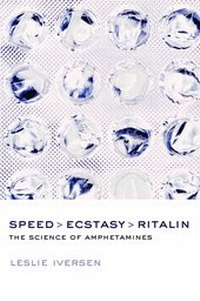
Speed, Ecstasy, Ritalin
The Science of Amphetamines
Published in April 2006
Book
Hardback
232 pages
978-0-19-853089-3 (ISBN)
Description
Amphetamines have had a relatively short, though chequered history. From their use in wartime, their abuse by the beat generation, up to the popularity of Ecstasy in the late 20th century, many have found amphetamines an enjoyable, though unpredictable, stimulant. More than that though, amphetamine-based treatments have been found to have beneficial effects for those suffering from attention deficit disorders, and are now widely prescribed in the US and elsewhere as a treatment for children and adults. What is the truth behind these medical claims? What are the real effects of stimulants like Ecstasy? Just how harmful are amphetamines? In this book, a leading authority on psychoactive drugs explores the uses and abuses of amphetamines. Starting with a look at the origins of amphetamines, their use in wartime, their use by poets, musicians - even a President of the US, it presents a fascinating and accessible account of amphetamine use. It examines the evidence for the claims that drugs like Ecstasy kill, and considers the widespread use of amphetamines for ADHD, presenting a thorough account based on science and fact, rather than dogma.
Reviews / Votes
...this book provides a very good account of the use and misuse of amphetamines from a scientist's perspective. British Journal of Psychiatry, Vol 191, ...a balanced analysis of the historical and contemporary use of amphetamines by diverse users, including those suffering from various medical conditions, professional cyclists, poets, musicians, single mothers and politicians... [and will be useful to] scientists, especially neuroscientists, and the wide range of practicing people, including social scientists, who have to deal with the problems caused by drug abuse. Chemistry World I strongly recommend this book to anyone who has an interest in the use of amphetamine-like agents, such as Ritalin, in the treatment of attention deficit disorders as well as an interest in the continued abuse of drugs such as methamphetamine or ecstasy. Doody's Journal Instead of indulging in the simplistic dichotomies that have plagued some writings on drugs-illegal versus legal, harmful versus benign, hedonistic use versus medical - he has produced something more sophisticated. This is an analysis of the historical and contemporary use of various amphetamines by geographically, socially and psychologically diverse users, including politicians, professional cyclists, single mothers and those suffering from attention deficit hyperactivity disorder - a world away from the one-dimensional addict of popular prejudice. New ScientistMore details
Language
English
Place of publication
Oxford
United Kingdom
Target group
College/higher education
Professional and scholarly
Illustrations
12 Schaubilder, 9 s/w Photographien bzw. Rasterbilder
12 figures and 9 black & white photographs
Dimensions
Height: 234 mm
Width: 156 mm
ISBN-13
978-0-19-853089-3 (9780198530893)
Copyright in bibliographic data and cover images is held by Nielsen Book Services Limited or by the publishers or by their respective licensors: all rights reserved.
Schweitzer Classification
Content
1. Introduction; 2. What are amphetamines and how do they work in the brain?; 3. Medical uses of amphetamines; 4. Amphetamines as performance enhancers; 5. Illicit amphetamine use around the world; 6. Amphetamine psychosis: how research on amphetamines provided new insights into the brain mechanisms underlying schizophrenia; 7. How dangerous are the amphetamines?; 8. Ecstasy; 9. The future with amphetamines