

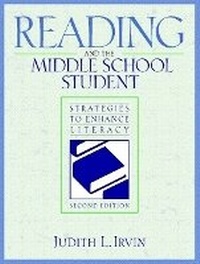
Reading and the Middle School Student
2nd Edition
Published on 28. September 1997
Book
Hardback
277 pages
978-0-205-16379-3 (ISBN)
Description
The second edition of this unique text has been thoroughly updated to include the most current research in the field of Middle School Reading. Unlike most texts that ignore the middle school reader, this text addresses the issues that effect middle school students and teachers and their experiences with literacy instruction. Readable and teacher friendly, this text provides not only a strong research base, but also practical teaching strategies for teachers.
More details
Edition
2nd edition
Language
English
Place of publication
United States
Publishing group
Pearson Education (US)
Target group
Professional and scholarly
Dimensions
Height: 232 mm
Width: 177 mm
Thickness: 18 mm
Weight
458 gr
ISBN-13
978-0-205-16379-3 (9780205163793)
Copyright in bibliographic data and cover images is held by Nielsen Book Services Limited or by the publishers or by their respective licensors: all rights reserved.
Schweitzer Classification
Other editions
New editions
Judith L. Irvin | Douglas R. Buehl | Barbara J. Radcliffe
Strategies to Enhance Literacy and Learning in Middle School Content Area Classrooms
Book
10/2006
3rd Edition
Pearson
€65.22
Article is exhausted; no reprint
Content
1.Literacy Learning for Middle Grades Students.
Literacy as a Social Event.
Philosophical Transformations.
Purpose and Overview of the Book.
Summary.
2.The Young Adolescent.
Physical Development.
Social Development.
Emotional Development.
Cognitive Development.
Moral Development.
Cultural Influences on Young Adolescent Development.
Implications for Curriculum and Instruction.
Summary.
3.Literacy Learning and the Curriculum.
The Problem of Adjustment.
Interactive Reading and Learning.
Reading and Writing Connections.
Integrated Learning.
Summary.
4.Learning Environments that Motivate Students.
The Status of Reading Proficiency.
Underachievement.
Motivating Young Adolescents.
Rethinking (Dis)ability.
Effective and Ineffective Reading Behaviors.
Strategies for Disabled Readers.
Using Classroom Discussion to Motivate Students.
Using Cooperative Strategies to Motivate Students.
Using Technology to Improve Reading and Writing.
Summary.
5.The Environment of the New Assessment (by Lorraine Gerhart).
Atmosphere and Philosophy of Assessment.
Background of Authentic Assessment.
How to Complete Performance Assessment.
Portfolios.
Summary.
6.The Demands of Text.
Kinds of Text.
Text Structure Activity.
Difficulty with Content Area Textbooks.
Helping Students Deal with Inconsiderate Text.
Helping Students Understand Test Structure.
Using and Evaluating Textbooks.
Summary.
7.Literature Across the Curriculum (by Carol Lynch-Brown).
Literature for Intensive Reading.
Literature for Extensive Reading.
Summary.
Starter List of Literature for Shared Literacy Experiences by Content Area.
Book Selection Aids.
8.Vocabulary Knowledge.
The Importance of Vocabulary Knowledge.
Factors in Vocabulary Acquisition.
Choosing Words for Instruction.
Guidelines for Instruction.
A Sample Unit: The Ancient Chinese.
Summary.
9.Prior Knowledge.
Activating Prior Knowledge.
Assessing the Knowledge Base of Students.
Prereading Strategies.
Building Background Information When Students Know Little About a Subject.
Activating Prior Knowledge When Students Know Something About a Subject.
Organizing Information When Students Know a Great Deal About a Subject.
Summary.
10.Comprehending Text.
Strategic Reading.
Comprehension Strategies.
Guidelines for Instruction.
Comprehension Strategies.
Summary.
11.Learning and Remembering.
Depth of Processing.
Knowledge of the Criterion Task.
Factors in Successful Study Strategy Instruction.
Successful Study Strategy Program.
Strategies that Facilitate Learning and Remembering.
Summary.
12.Middle Level Schools.
Perspectives of the Middle School Movement.
The Middle School Defined.
Impetus for the Middle School.
A Status Report on Programs and Practices.
Issues in Middle Level Education.
Summary.
13.The Reading Program.
Traditional Forms of Reading Instruction in the Middle Grades.
Reading Development.
Characteristics of a Middle Level Reading Program.
Components of a Successful Middle Level Reading Program.
Facilitating Change.
Summary.
14.Exemplary Literacy Programs.
Reading Across Disciplines Program (by Nancy Rathjen).
Evolution of a Reading Program (by Celeste Johnson and Dan Tompkins).
Targeting the Electives to Change the Reading Program (by Rosalyn Dozier).
Dakota Meadows Quiet Reading Program (by Sally Payne Coomes).
Trusting the Books-Trusting Ourselves: Implementing the Reading Workshop (by Mary Jo Sherman).
Summary.
Index.
Literacy as a Social Event.
Philosophical Transformations.
Purpose and Overview of the Book.
Summary.
2.The Young Adolescent.
Physical Development.
Social Development.
Emotional Development.
Cognitive Development.
Moral Development.
Cultural Influences on Young Adolescent Development.
Implications for Curriculum and Instruction.
Summary.
3.Literacy Learning and the Curriculum.
The Problem of Adjustment.
Interactive Reading and Learning.
Reading and Writing Connections.
Integrated Learning.
Summary.
4.Learning Environments that Motivate Students.
The Status of Reading Proficiency.
Underachievement.
Motivating Young Adolescents.
Rethinking (Dis)ability.
Effective and Ineffective Reading Behaviors.
Strategies for Disabled Readers.
Using Classroom Discussion to Motivate Students.
Using Cooperative Strategies to Motivate Students.
Using Technology to Improve Reading and Writing.
Summary.
5.The Environment of the New Assessment (by Lorraine Gerhart).
Atmosphere and Philosophy of Assessment.
Background of Authentic Assessment.
How to Complete Performance Assessment.
Portfolios.
Summary.
6.The Demands of Text.
Kinds of Text.
Text Structure Activity.
Difficulty with Content Area Textbooks.
Helping Students Deal with Inconsiderate Text.
Helping Students Understand Test Structure.
Using and Evaluating Textbooks.
Summary.
7.Literature Across the Curriculum (by Carol Lynch-Brown).
Literature for Intensive Reading.
Literature for Extensive Reading.
Summary.
Starter List of Literature for Shared Literacy Experiences by Content Area.
Book Selection Aids.
8.Vocabulary Knowledge.
The Importance of Vocabulary Knowledge.
Factors in Vocabulary Acquisition.
Choosing Words for Instruction.
Guidelines for Instruction.
A Sample Unit: The Ancient Chinese.
Summary.
9.Prior Knowledge.
Activating Prior Knowledge.
Assessing the Knowledge Base of Students.
Prereading Strategies.
Building Background Information When Students Know Little About a Subject.
Activating Prior Knowledge When Students Know Something About a Subject.
Organizing Information When Students Know a Great Deal About a Subject.
Summary.
10.Comprehending Text.
Strategic Reading.
Comprehension Strategies.
Guidelines for Instruction.
Comprehension Strategies.
Summary.
11.Learning and Remembering.
Depth of Processing.
Knowledge of the Criterion Task.
Factors in Successful Study Strategy Instruction.
Successful Study Strategy Program.
Strategies that Facilitate Learning and Remembering.
Summary.
12.Middle Level Schools.
Perspectives of the Middle School Movement.
The Middle School Defined.
Impetus for the Middle School.
A Status Report on Programs and Practices.
Issues in Middle Level Education.
Summary.
13.The Reading Program.
Traditional Forms of Reading Instruction in the Middle Grades.
Reading Development.
Characteristics of a Middle Level Reading Program.
Components of a Successful Middle Level Reading Program.
Facilitating Change.
Summary.
14.Exemplary Literacy Programs.
Reading Across Disciplines Program (by Nancy Rathjen).
Evolution of a Reading Program (by Celeste Johnson and Dan Tompkins).
Targeting the Electives to Change the Reading Program (by Rosalyn Dozier).
Dakota Meadows Quiet Reading Program (by Sally Payne Coomes).
Trusting the Books-Trusting Ourselves: Implementing the Reading Workshop (by Mary Jo Sherman).
Summary.
Index.