

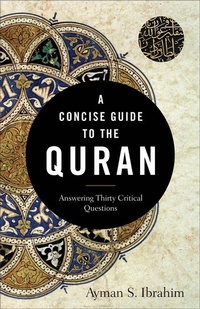
A Concise Guide to the Quran - Answering Thirty Critical Questions
Answering Thirty Critical Questions
Published on 15. December 2020
Book
Paperback/Softback
192 pages
978-1-5409-6292-8 (ISBN)
Description
What is so unique about Islam's scripture, the Quran? Who wrote it, and when? Can we trust its statements to be from Muhammad? Why was it written in Arabic? Does it command Muslims to fight Christians? These are a few of the thirty questions answered in this clear and concise guide to the history and contents of the Quran.
Ayman Ibrahim grew up in the Muslim world and has spent many years teaching various courses on Islam. Using a question-and-answer format, Ibrahim covers critical questions about the most sacred book for Muslims. He examines Muslim and non-Muslim views concerning the Quran, shows how the Quran is used in contemporary expressions of Islam, answers many of the key questions non-Muslims have about the Quran and Islam, and reveals the importance of understanding the Quran for Christian-Muslim and Jewish-Muslim interfaith relations.
This introductory guide is written for anyone with little to no knowledge of Islam who wants to learn about Muslims, their beliefs, and their scripture.
Ayman Ibrahim grew up in the Muslim world and has spent many years teaching various courses on Islam. Using a question-and-answer format, Ibrahim covers critical questions about the most sacred book for Muslims. He examines Muslim and non-Muslim views concerning the Quran, shows how the Quran is used in contemporary expressions of Islam, answers many of the key questions non-Muslims have about the Quran and Islam, and reveals the importance of understanding the Quran for Christian-Muslim and Jewish-Muslim interfaith relations.
This introductory guide is written for anyone with little to no knowledge of Islam who wants to learn about Muslims, their beliefs, and their scripture.
More details
Language
English
Place of publication
Ada, MI
United States
Publishing group
Baker Publishing Group
Target group
Professional and scholarly
Edition type
Annotated edition
Product notice
Paperback (trade)
Unsewn / adhesive bound
Dimensions
Height: 213 mm
Width: 140 mm
Thickness: 18 mm
Weight
204 gr
ISBN-13
978-1-5409-6292-8 (9781540962928)
Copyright in bibliographic data and cover images is held by Nielsen Book Services Limited or by the publishers or by their respective licensors: all rights reserved.
Schweitzer Classification
Person
Ayman S. Ibrahim (PhD, Fuller Theological Seminary; PhD, Haifa University) is Bill and Connie Jenkins Professor of Islamic Studies and director of the Center for the Christian Understanding of Islam at The Southern Baptist Theological Seminary in Louisville, Kentucky. He was born and raised in Egypt and has taught in various countries in the Muslim world and in the West. His articles on Islam and Christian-Muslim relations have appeared in the Washington Post, Religion News Service, and First Things, among others. Ibrahim is the author of The Stated Motivations for the Early Islamic Expansion.
Content
Contents
Introduction: My Earliest Encounters with the Quran
Part 1: The History of the Text of the Quran
1. What Is the Quran?
2. What Does "Quran" Mean?
3. Are There Other Scriptures in Islam?
4. What Do Muslims Believe about the Quran?
5. Who Is Muhammad, the Recipient and Proclaimer of the Quran?
6. Did Muhammad Really Exist?
7. When and Where Did Muhammad Receive the Quran?
8. What Is the Most Important Feature of the Language of the Quran?
9. Why and How Was the Quran Compiled?
10. Did Uthman Burn False and Forged Qurans?
11. What Do Shiite Muslims Believe about the Collection of the Quran?
12. Do Sunnis and Shiites Have the Same Quran Today?
13. What Do We Know about the 1924 Royal Cairo Edition of the Quran?
14. Are There Any Other Qurans?
15. Are All Arabic Versions of the Quran the Same?
Part 2: Content, Features, and Themes of the Quran
16. How Should I Begin Reading the Quran?
17. What Are the Recurring Features at the Beginning of All Suras?
18. What Is Abrogation in the Quran?
19. What Are the Satanic Verses in the Quran?
20. What Is the Most Important Concept for Muslims in the Quran?
21. Are Jews and Christians Infidels?
22. Does the Quran Really Say the Bible Is Corrupt?
23. Who Is Jesus in the Quran?
24. Who Are the Prophets in the Quran?
25. Did Muhammad Perform Miracles?
26. What Does the Quran Say about Jihad and Fighting?
27. How Do Muslims Treat the Quran's Verses on Violence Today?
28. Who Are "the People of the Quran"?
29. What Do Today's Non-Muslim
Scholars Say about the Quran?
30. Concluding Question: How Does This All Fit Together?
Glossary
Index
Introduction: My Earliest Encounters with the Quran
Part 1: The History of the Text of the Quran
1. What Is the Quran?
2. What Does "Quran" Mean?
3. Are There Other Scriptures in Islam?
4. What Do Muslims Believe about the Quran?
5. Who Is Muhammad, the Recipient and Proclaimer of the Quran?
6. Did Muhammad Really Exist?
7. When and Where Did Muhammad Receive the Quran?
8. What Is the Most Important Feature of the Language of the Quran?
9. Why and How Was the Quran Compiled?
10. Did Uthman Burn False and Forged Qurans?
11. What Do Shiite Muslims Believe about the Collection of the Quran?
12. Do Sunnis and Shiites Have the Same Quran Today?
13. What Do We Know about the 1924 Royal Cairo Edition of the Quran?
14. Are There Any Other Qurans?
15. Are All Arabic Versions of the Quran the Same?
Part 2: Content, Features, and Themes of the Quran
16. How Should I Begin Reading the Quran?
17. What Are the Recurring Features at the Beginning of All Suras?
18. What Is Abrogation in the Quran?
19. What Are the Satanic Verses in the Quran?
20. What Is the Most Important Concept for Muslims in the Quran?
21. Are Jews and Christians Infidels?
22. Does the Quran Really Say the Bible Is Corrupt?
23. Who Is Jesus in the Quran?
24. Who Are the Prophets in the Quran?
25. Did Muhammad Perform Miracles?
26. What Does the Quran Say about Jihad and Fighting?
27. How Do Muslims Treat the Quran's Verses on Violence Today?
28. Who Are "the People of the Quran"?
29. What Do Today's Non-Muslim
Scholars Say about the Quran?
30. Concluding Question: How Does This All Fit Together?
Glossary
Index