

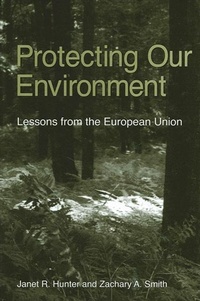
Protecting Our Environment
Lessons from the European Union
Published on 18. August 2005
Book
Hardback
204 pages
978-0-7914-6511-0 (ISBN)
Description
Examines how the European Union has handled environmental protection issues.
Significant changes in how the world approaches global environmental problems have occurred since the late 1970s. Countries have become increasingly aware of the "borderless" nature of environmental issues, i.e., that production and consumption in one country can spill over to affect another country's environment. Protecting Our Environment considers the successes that have been achieved in the European Union (EU), as well as issues the Union still faces regarding the protection of the environment in the future. Authors Janet R. Hunter and Zachary A. Smith identify the factors that have allowed the EU to form a successful environmental regime, including the development of the environmental management approach and the principles upon which it is based. They examine in detail the challenges that have been encountered in the implementation of environmental programs, and the solutions that have been developed to address those challenges. Also considered is how economic development and environmental protection have been reconciled within the EU. By analyzing the successful example of the EU, Protecting Our Environment provides a model for a contemporary approach to global environmental problems.
Significant changes in how the world approaches global environmental problems have occurred since the late 1970s. Countries have become increasingly aware of the "borderless" nature of environmental issues, i.e., that production and consumption in one country can spill over to affect another country's environment. Protecting Our Environment considers the successes that have been achieved in the European Union (EU), as well as issues the Union still faces regarding the protection of the environment in the future. Authors Janet R. Hunter and Zachary A. Smith identify the factors that have allowed the EU to form a successful environmental regime, including the development of the environmental management approach and the principles upon which it is based. They examine in detail the challenges that have been encountered in the implementation of environmental programs, and the solutions that have been developed to address those challenges. Also considered is how economic development and environmental protection have been reconciled within the EU. By analyzing the successful example of the EU, Protecting Our Environment provides a model for a contemporary approach to global environmental problems.
More details
Series
Language
English
Place of publication
Albany, NY
United States
Target group
Professional and scholarly
US School Grade: College Graduate Student and over
Product notice
sewn/stitched
Cloth over boards
Dimensions
Height: 236 mm
Width: 163 mm
Thickness: 14 mm
Weight
463 gr
ISBN-13
978-0-7914-6511-0 (9780791465110)
Copyright in bibliographic data and cover images is held by Nielsen Book Services Limited or by the publishers or by their respective licensors: all rights reserved.
Schweitzer Classification
Other editions
Additional editions
E-Book
02/2012
1st Edition
De Gruyter
€35.99
Available for download
Persons
Janet R. Hunter is Chair of Administrative Information Services at Northland Pioneer College. Zachary A. Smith is Regents Professor of Political Science at Northern Arizona University. He is the author or editor of many books, including The Environmental Policy Paradox, Fourth Edition.
Content
Illustrations
Appendixes
1. Introduction
Importance of the Study of the Environment for Humans
Overview of Europe
What/Who Is Europe
Introduction to Regime Theory
The Process of Regime Formation
Improving the Effectiveness of International Environmental Regimes
Applicability of Regime Theory to Environmental Problems
Conclusion
2. The Organizational Structure of the European Union
Introduction
History of Integration of the European Nations
Treaties and Acts Amending the Founding Treaties
Governing Structure of the European Union
The European Environment Agency
The Role of the Public in EU Policy Making
Conclusion
3. The European Environment
Introduction
History of Environmental Policy Development
Environmental Action Programmes in the European Union
Summary
4. Successes and Challenges in European Union Environmental Policy
Introduction
Case Studies
Implementation of Environmental Regulations
Monitoring Effectiveness
Summary
5. A Comparative Evaluation of the European Union and the United States
Introduction
The United States Environment
Global Warming
Environmental Liability
Hazardous Waste
Solid Waste
Soil Erosion
Water Pollution
Land-Use Planning
Conclusion
6. Conclusions
Introduction
Factors Leading to Environmental Policy Success in the European Union
Application to International Environmental Regimes
Conclusion
Appendix 1: Articles 249-256 of the Treaty on European Union
Appendix 2: Articles 174-176 of the Treaty on European Union
Appendix 3: The Sixth Community Environment Action Program
Notes
Index
Appendixes
1. Introduction
Importance of the Study of the Environment for Humans
Overview of Europe
What/Who Is Europe
Introduction to Regime Theory
The Process of Regime Formation
Improving the Effectiveness of International Environmental Regimes
Applicability of Regime Theory to Environmental Problems
Conclusion
2. The Organizational Structure of the European Union
Introduction
History of Integration of the European Nations
Treaties and Acts Amending the Founding Treaties
Governing Structure of the European Union
The European Environment Agency
The Role of the Public in EU Policy Making
Conclusion
3. The European Environment
Introduction
History of Environmental Policy Development
Environmental Action Programmes in the European Union
Summary
4. Successes and Challenges in European Union Environmental Policy
Introduction
Case Studies
Implementation of Environmental Regulations
Monitoring Effectiveness
Summary
5. A Comparative Evaluation of the European Union and the United States
Introduction
The United States Environment
Global Warming
Environmental Liability
Hazardous Waste
Solid Waste
Soil Erosion
Water Pollution
Land-Use Planning
Conclusion
6. Conclusions
Introduction
Factors Leading to Environmental Policy Success in the European Union
Application to International Environmental Regimes
Conclusion
Appendix 1: Articles 249-256 of the Treaty on European Union
Appendix 2: Articles 174-176 of the Treaty on European Union
Appendix 3: The Sixth Community Environment Action Program
Notes
Index