

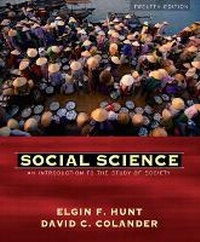
Social Science
An Introduction to the Study of Society
12th Edition
Published on 2. June 2004
Book
Paperback/Softback
528 pages
978-0-205-40847-4 (ISBN)
Description
This classic text provides a revised and updated survey of the social sciences, written in an unbiased manner with a multidisciplinary, common sense approach. Comprehensive coverage incorporates elements of anthropology, economics, political science, sociology, history, and geography. The twelfth edition includes extensive examinations of the impact of the 9/11/01 terrorist attacks on the U.S, especially in the Political Science and Economics chapters.
More details
Edition
12th edition
Language
English
Place of publication
New York
United States
Publishing group
Taylor & Francis Inc
Target group
Professional and scholarly
Dimensions
Height: 232 mm
Width: 191 mm
Weight
780 gr
ISBN-13
978-0-205-40847-4 (9780205408474)
Copyright in bibliographic data and cover images is held by Nielsen Book Services Limited or by the publishers or by their respective licensors: all rights reserved.
Schweitzer Classification
Other editions
New editions
Book
06/2007
13th Edition
Routledge
Unfortunately, price unknown
No shipping information available
Previous edition
Book
10/2001
11th Edition
Routledge
Unfortunately, price unknown
No shipping information available
Content
Each chapter ends with "Key Points," "List of Important Terms," "Questions for Review and Discussion," "For Further Study" and "Internet Resources."
1. Social Science and Its Methods.
Social Science.
The Methods of Social Science.
Social Science and Society.
Conclusion.
Appendix 1-A, Historical Roots of Social Science.
2. Human Origins.
The Origin of the Human Species.
The Evolution of Human Beings.
3. Origins of Western Society.
From the Stone Age to the Agricultural Age.
Early Civilizations.
The Middle Ages (A.D. 500-1453).
The Renaissance.
The Development of Modern Economic and Political Institutions.
Conclusion.
4. Society, Culture, and Cultural Change.
Culture and the Nature of Society.
Cultural Integration.
Culture, Society, and Social Change.
Social Change and Social Problems.
Contrasts among Cultures.
5. Geography, Demography, Ecology, and Society.
Geography.
Demography.
Ecology: The Interaction of Geography, Demography, and Environment.
Conclusion.
6. Technology and Society.
The Industrial Revolution.
Technology and Social Change.
Technology of the Past.
Technology of the Future.
7. The Individual, Society, and Culture.
Socialization of the Individual.
Personality and Its Development.
Intelligence, Personal Adjustment, and Normality.
Deviance.
Conclusion.
8. The Family.
Variations in the Family Pattern.
Functions of the Family in Society.
The Family in the United States Today.
The Family in Transition.
9. Religion.
The Nature of Religion.
The Great Religions of Today.
The Role of Religion in Society.
The Future of Religion.
10. Education.
Schools as Agencies of Social Control.
The Development of U.S. Education.
Examining the School System.
Interaction of Economics, Politics, and Social Institutions.
11. Social and Economic Stratification.
Types of Social Stratification.
Social Mobility.
Economic and Social Inequality.
Reducing Social and Economic Inequality.
12. Stratification, Minorities and Discrimination
Race and Ethnicity.
Native Americans.
African Americans.
Hispanics.
Asians.
Immigrants and Minorities.
Religious Minorities.
Sexual Minorities.
Senior Citizens.
Conclusion.
13. The Functions and Forms of Government.
The Primary Functions of Government.
Debates about the Nature of Government.
Forms of Government.
Governments are Far from Simple.
14. Democratic Government in the United States.
Historical Development of U.S. Government.
The Structure of U.S. Government.
The Political Process.
Evaluation of the Democratic Political Process.
15. Governments of the World.
French Government.
Mexican Government.
Japanese Government.
Russian Government.
Saudi Arabian Government.
Some Lessons about Governments.
Future Changes in Governments.
16. The Organization of Economic Activities.
The Nature of an Economy.
The Evolution of Economic Systems.
Market Economies.
The Changing Nature of the U.S. Economy.
The Upheaval in the Formerly Socialist Countries.
The Continuing Evolution of Economies.
17. Government and the Economy.
Government's Direct Role in the Economy.
Government's Macroeconomic Role
Government's Indirect Role in the Economy.
Conclusion.
18. International Political Relations.
The State in International Relations.
Power in the World Community.
Foreign Policies.
The United States in the World Community.
19. International Economic Relations.
The Terminology of Trade.
Advantages and Disadvantages of International Trade.
Restrictions on International Trade.
Foreign Exchange.
Conclusion.
20. The Political Economies of Developing Countries.
Problems of Developing Countries.
Options of Developing Countries.
Case Studies.
Conclusion.
21. International Institutions and the Search for Peace.
The Problem of War.
The United Nations.
The Outlook for Peace.
1. Social Science and Its Methods.
Social Science.
The Methods of Social Science.
Social Science and Society.
Conclusion.
Appendix 1-A, Historical Roots of Social Science.
2. Human Origins.
The Origin of the Human Species.
The Evolution of Human Beings.
3. Origins of Western Society.
From the Stone Age to the Agricultural Age.
Early Civilizations.
The Middle Ages (A.D. 500-1453).
The Renaissance.
The Development of Modern Economic and Political Institutions.
Conclusion.
4. Society, Culture, and Cultural Change.
Culture and the Nature of Society.
Cultural Integration.
Culture, Society, and Social Change.
Social Change and Social Problems.
Contrasts among Cultures.
5. Geography, Demography, Ecology, and Society.
Geography.
Demography.
Ecology: The Interaction of Geography, Demography, and Environment.
Conclusion.
6. Technology and Society.
The Industrial Revolution.
Technology and Social Change.
Technology of the Past.
Technology of the Future.
7. The Individual, Society, and Culture.
Socialization of the Individual.
Personality and Its Development.
Intelligence, Personal Adjustment, and Normality.
Deviance.
Conclusion.
8. The Family.
Variations in the Family Pattern.
Functions of the Family in Society.
The Family in the United States Today.
The Family in Transition.
9. Religion.
The Nature of Religion.
The Great Religions of Today.
The Role of Religion in Society.
The Future of Religion.
10. Education.
Schools as Agencies of Social Control.
The Development of U.S. Education.
Examining the School System.
Interaction of Economics, Politics, and Social Institutions.
11. Social and Economic Stratification.
Types of Social Stratification.
Social Mobility.
Economic and Social Inequality.
Reducing Social and Economic Inequality.
12. Stratification, Minorities and Discrimination
Race and Ethnicity.
Native Americans.
African Americans.
Hispanics.
Asians.
Immigrants and Minorities.
Religious Minorities.
Sexual Minorities.
Senior Citizens.
Conclusion.
13. The Functions and Forms of Government.
The Primary Functions of Government.
Debates about the Nature of Government.
Forms of Government.
Governments are Far from Simple.
14. Democratic Government in the United States.
Historical Development of U.S. Government.
The Structure of U.S. Government.
The Political Process.
Evaluation of the Democratic Political Process.
15. Governments of the World.
French Government.
Mexican Government.
Japanese Government.
Russian Government.
Saudi Arabian Government.
Some Lessons about Governments.
Future Changes in Governments.
16. The Organization of Economic Activities.
The Nature of an Economy.
The Evolution of Economic Systems.
Market Economies.
The Changing Nature of the U.S. Economy.
The Upheaval in the Formerly Socialist Countries.
The Continuing Evolution of Economies.
17. Government and the Economy.
Government's Direct Role in the Economy.
Government's Macroeconomic Role
Government's Indirect Role in the Economy.
Conclusion.
18. International Political Relations.
The State in International Relations.
Power in the World Community.
Foreign Policies.
The United States in the World Community.
19. International Economic Relations.
The Terminology of Trade.
Advantages and Disadvantages of International Trade.
Restrictions on International Trade.
Foreign Exchange.
Conclusion.
20. The Political Economies of Developing Countries.
Problems of Developing Countries.
Options of Developing Countries.
Case Studies.
Conclusion.
21. International Institutions and the Search for Peace.
The Problem of War.
The United Nations.
The Outlook for Peace.