

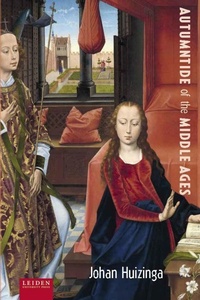
Autumntide of the Middle Ages
A study of forms of life and thought of the fourteenth and fifteenth centuries in France and the Low Countries
Published on 12. February 2024
Book
Paperback/Softback
278 pages
978-90-8728-445-9 (ISBN)
Description
This new and now unabridged English translation of Huizinga's Autumntide of the Middle Ages (Herfsttij der Middeleeuwen) celebrates the centenary of a book that still ranks as one of the most perceptive and influential analyses of the late medieval period. Its wide-ranging discussion of fourteenth and fifteenth century France and the Low Countries makes it a classic study of life, culture, and thought in medieval society. The translation of the original text captures the impact of Huizinga's deep scholarship and powerful language. The translation is based on the Dutch edition of 1941 - the last edition Huizinga worked on. It features English renderings of the Middle French poems and other contemporary sources. A complete bibliography of Huizinga's sources will facilitate further research, while an epilogue addresses the meaning and enduring importance of this classic work. Johan Huizinga (1872-1945), one of the founders of cultural history, ranks among the most influential Dutch thinkers of the twentieth century. He produced a body of writing on subjects that range from medieval art to the mechanization of modern America. The publication of Herfsttij der Middeleeuwen in 1919 brought him international renown, and contributed to the multiple nominations he received later in his career for the Nobel Prize in Literature, a rare accolade for a professor of history. Among his other important works are Erasmus (1924), In the Shadow of Tomorrow (1935) and Homo Ludens (1938). He died in internal exile, two months before the liberation of the Netherlands.
Reviews / Votes
"The translator has captured Huizinga's authorial voice's poetic qualities without sacrificing the text's readability. (...) The result is a version of the text that captures Huizinga's original voice better than either of the two previous English editions." - Birger Vanwesenbeeck, Los Angeles Review of BooksMore details
Language
English
Place of publication
Amsterdam
Netherlands
Target group
Professional and scholarly
Dimensions
Height: 230 mm
Width: 154 mm
Thickness: 27 mm
Weight
864 gr
ISBN-13
978-90-8728-445-9 (9789087284459)
Copyright in bibliographic data and cover images is held by Nielsen Book Services Limited or by the publishers or by their respective licensors: all rights reserved.
Schweitzer Classification
Persons
Johan Huizinga (1872-1945), one of the founders of cultural history, ranks among the most influential Dutch thinkers of the twentieth century. He produced a body of writing on subjects that range from medieval art to the mechanization of modern America. The publication of Herfsttij der Middeleeuwen in 1919 brought him international renown, and contributed to the multiple nominations he received later in his career for the Nobel Prize in Literature, a rare accolade for a professor of history. Among his other important works are Erasmus (1924), In the Shadow of Tomorrow (1935) and Homo Ludens (1938). He died in internal exile, a few months before the liberation of the Netherlands.
Diane Webb has translated a wide range of literature on art-historical and historical subjects, including Ruusbroec: Literature and Mysticism in the Fourteenth Century by Geert Warnar, as well as Herman Pleij's Dreaming of Cockaigne: Medieval Fantasies of the Perfect Life and Colors Demonic and Divine: Shades of Meaning in the Middle Ages and After (for which she was awarded the Vondel Prize for Dutch Translation in 2005).
Graeme Small is Professor of Medieval History at Durham University and the author of several books, including George Chastelain and the Shaping of Valois Burgundy as well as Court and Civic Society in the Burgundian Low Countries (with Andrew Brown) and Late Medieval France.
Anton van der Lem, a leading expert on Huizinga, has written or edited many articles and books, including the recently published Rereading Huizinga. It was at his suggestion that Leiden University Press decided to publish this first full-text translation from the original Dutch into English, and he set the standard with his Dutch centenary edition of Herfsttij. A fellow of Leiden University Libraries, he is the editor of https://huizinga-online.nl.
Diane Webb has translated a wide range of literature on art-historical and historical subjects, including Ruusbroec: Literature and Mysticism in the Fourteenth Century by Geert Warnar, as well as Herman Pleij's Dreaming of Cockaigne: Medieval Fantasies of the Perfect Life and Colors Demonic and Divine: Shades of Meaning in the Middle Ages and After (for which she was awarded the Vondel Prize for Dutch Translation in 2005).
Graeme Small is Professor of Medieval History at Durham University and the author of several books, including George Chastelain and the Shaping of Valois Burgundy as well as Court and Civic Society in the Burgundian Low Countries (with Andrew Brown) and Late Medieval France.
Anton van der Lem, a leading expert on Huizinga, has written or edited many articles and books, including the recently published Rereading Huizinga. It was at his suggestion that Leiden University Press decided to publish this first full-text translation from the original Dutch into English, and he set the standard with his Dutch centenary edition of Herfsttij. A fellow of Leiden University Libraries, he is the editor of https://huizinga-online.nl.
Content
Translator's note
Autumntide of the Middle Ages by Johan Huizinga Huizinga's prefaces to the first five Dutch editions
1 Life's Fierceness
2 The Yearning for a Finer Life
3 The Hierarchical Conception of Society
4 The Notion of Knighthood
5 Dreams of Heroic Deeds and Love
6 Chivalric Orders and Knightly Vows
7 The Significance of the Chivalric Ideal in Warfare and Statecraft
8 The Stylization of Love
9 The Proprieties of Love
10 The Idyllic Image of Life
11 The Image of Death
12 The Representation of All Things Holy
13 Types of Religious Life
14 Religious Emotion and the Religious Imagination
15 Symbolism Withered
16 Realism and the Defeat of the Imagination in Mysticism
17 Forms of Thought in Practical Life
18 Art in Life
19 The Sense of Beauty
20 The Image and the Word
21 The Word and the Image
22 The Coming of the New Form
Notes
Original Citations
Genealogy
Timeline
Index
Epilogue: From Herfsttij to Autumntide by Graeme Small
Bibliography
Translated sources consulted
Illustration credits
About the translator and editors
Autumntide of the Middle Ages by Johan Huizinga Huizinga's prefaces to the first five Dutch editions
1 Life's Fierceness
2 The Yearning for a Finer Life
3 The Hierarchical Conception of Society
4 The Notion of Knighthood
5 Dreams of Heroic Deeds and Love
6 Chivalric Orders and Knightly Vows
7 The Significance of the Chivalric Ideal in Warfare and Statecraft
8 The Stylization of Love
9 The Proprieties of Love
10 The Idyllic Image of Life
11 The Image of Death
12 The Representation of All Things Holy
13 Types of Religious Life
14 Religious Emotion and the Religious Imagination
15 Symbolism Withered
16 Realism and the Defeat of the Imagination in Mysticism
17 Forms of Thought in Practical Life
18 Art in Life
19 The Sense of Beauty
20 The Image and the Word
21 The Word and the Image
22 The Coming of the New Form
Notes
Original Citations
Genealogy
Timeline
Index
Epilogue: From Herfsttij to Autumntide by Graeme Small
Bibliography
Translated sources consulted
Illustration credits
About the translator and editors