

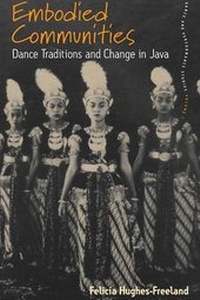
Embodied Communities
Dance Traditions and Change in Java
Published on 30. November 2009
Book
Paperback/Softback
304 pages
978-1-84545-705-1 (ISBN)
Description
Court dance in Java has changed from a colonial ceremonial tradition into a national artistic classicism. Central to this general transformation has been dance's role in personal transformation, developing appropriate forms of everyday behaviour and strengthening the powers of persuasion that come from the skillful manipulation of both physical and verbal forms of politeness. This account of dance's significance in performance and in everyday life draws on extensive research, including dance training in Java, and builds on how practitioners interpret and explain the repertoire. The Javanese case is contextualized in relation to social values, religion, philosophy, and commoditization arising from tourism. It also raises fundamental questions about the theorization of culture, society and the body during a period of radical change.
Reviews / Votes
"This is a valuable addition to the literature on performance in Southeast Asia, on dance history, and on culture change in general - a very timely and important work - the quality of its prose, the depth of research involved make it a unique contribution to dance scholarship." * Helene Bouvier, CNRS, ParisMore details
Series
Language
English
Place of publication
Oxford
United Kingdom
Target group
College/higher education
ISBN-13
978-1-84545-705-1 (9781845457051)
Copyright in bibliographic data and cover images is held by Nielsen Book Services Limited or by the publishers or by their respective licensors: all rights reserved.
Schweitzer Classification
Person
Felicia Hughes-Freeland is an anthropologist and filmmaker. She has done extensive research in Indonesia on Javanese dance over a period of nearly thirty years and her articles have been widely published. Her edited books and ethnographic films include Ritual, Performance, Media and The Dancer and the Dance.
Content
List of Figures and Tables Preface and Acknowledgements A Note on Spelling and Other Matters Abbreviations Chapter 1. Introduction: Dance, Culture and Embodiment Chapter 2. Before the Nation: The Heyday of Court Dance Chapter 3. From Colony to Nation: Dance in the Reign of Hamengkubuwana IX (1940-1988) Chapter 4. Embodying Culture: Dance as Education Chapter 5. Performance and Symbolism: Bedhaya and the Poetics of Power Chapter 6. The Art of Dancing: Joged Mataram Chapter 7. Changing Styles of Patronage: Tourism and Commoditization Chapter 8. Conclusion: Embodied Communities in the Nation State Appendices Glossary Bibliography Index