

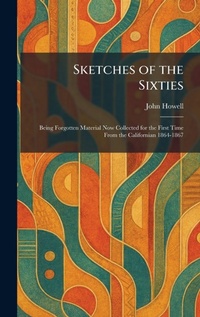
Sketches of the Sixties
Description
"Sketches of the Sixties" is a compelling collection of early American literary material, gathered from the pages of "The Californian" between 1864 and 1867. This volume preserves a unique slice of history, capturing the vibrant culture and evolving social landscape of California during a transformative decade. The work features a variety of sketches, essays, and stories that reflect the wit, humor, and observational prowess of writers who were instrumental in defining the voice of the American West.
By compiling these forgotten materials, the book offers readers an authentic glimpse into the pioneer spirit, the aftermath of the gold rush, and the birth of a distinct Californian literary identity. These pieces serve as a valuable historical record, illustrating the daily life, politics, and social nuances of the 1860s through the eyes of contemporary observers. From satirical commentaries to descriptive vignettes of San Francisco life, the collection provides a rich tapestry of 19th-century Americana. It remains an essential resource for enthusiasts of Western history and readers interested in the development of regional American literature.
This work has been selected by scholars as being culturally important, and is part of the knowledge base of civilization as we know it. This work was reproduced from the original artifact, and remains as true to the original work as possible. Therefore, you may see the original copyright references, library stamps (as most of these works have been housed in our most important libraries around the world), and other notations in the work.
This work is in the public domain in the United States of America, and possibly other nations. Within the United States, you may freely copy and distribute this work, as no entity (individual or corporate) has a copyright on the body of the work.
As a reproduction of a historical artifact, this work may contain missing or blurred pages, poor pictures, errant marks, etc. Scholars believe, and we concur, that this work is important enough to be preserved, reproduced, and made generally available to the public. We appreciate your support of the preservation process, and thank you for being an important part of keeping this knowledge alive and relevant.