

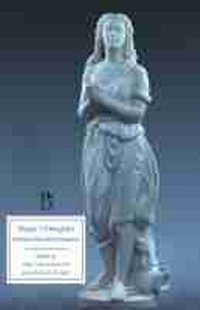
Hagar's Daughter
A Story of Southern Caste Prejudice
Published on 8. December 2020
Book
Paperback/Softback
368 pages
978-1-55481-563-0 (ISBN)
Description
Hagar's Daughter is Pauline Elizabeth Hopkins's first serial novel, published in the Boston-based Colored American Magazine (1901-1902). The novel itself features concealed and mistaken identities, dramatic revelations, and extraordinary plot twists. In Part 1, Maryland plantation heirs Hagar Sargeant and Ellis Enson fall in love, marry, and have a daughter. However, Ellis's covetous younger brother, St. Clair, claims that Hagar is of mixed-race ancestry, putting her and her infant in peril. When Ellis is presumed to be dead, St. Clair sells Hagar and her child into slavery, and they presumably die when Hagar, in despair, leaps into the Potomac River with her daughter. This is the backdrop for Part 2 (set twenty years later), which includes a high-profile murder trial, an abduction plot, and a steady succession of surprises as the young Black maid Venus Johnson assumes male clothing to solve a series of mysteries that are both current and decades-old. The appendices to this Broadview edition feature advertising for the original publication, other writing by Hopkins and her contemporaries, and reviews that situate the work within the popular literature and political culture of its time.
More details
Language
English
Place of publication
Calgary
United States
Target group
College/higher education
Product notice
Paperback (trade)
Illustrations
16 Illustrations
Dimensions
Height: 216 mm
Width: 140 mm
Thickness: 18 mm
Weight
427 gr
ISBN-13
978-1-55481-563-0 (9781554815630)
Copyright in bibliographic data and cover images is held by Nielsen Book Services Limited or by the publishers or by their respective licensors: all rights reserved.
Schweitzer Classification
Persons
John Gruesser is a Senior Research Scholar at Sam Houston State University.
Alisha Knight is an Associate Professor of English and American Studies at Washington College.
Alisha Knight is an Associate Professor of English and American Studies at Washington College.
Content
APPENDICESAppendix A: Hagar's Daughter Synopsis in the Colored American Magazine (1902)Appendix B: Promoting Hagar's Daughter - 1. Cover of the Colored American Magazine (1901)
- 2. Advertisement for Contending Forces (1902)
- 3. Colored American Magazine Subscription Advertisement (1902)
- 4. From "Editorial and Publishers' Announcements," Colored American Magazine (1902)
Appendix C: Race/History - 1. From Pauline E. Hopkins, "Hon. Frederick Douglass" (1900)
- 2. John Greenleaf Whittier, "The Moloch in State Street" (1851)
- 3. From "Gen. Robert Smalls," National Republican (1886)
- 4. From Pauline E. Hopkins, "Munroe Rogers" (1902)
Appendix D: The Figure of Hagar - 1. Genesis: 16 and 21
- 2. From Pauline E. Hopkins, "Famous Women of the Negro Race. X. Artists" (1902)
- 3. Eliza Poitenvent Nicholson, "Hagar" (1893)
Appendix E: Popular Genres and Literary Experimentation - 1. From Pauline E. Hopkins, Peculiar Sam (1879)
- 2. Pauline E. Hopkins, "Talma Gordon" (1900)
- 3. Pauline E. Hopkins, "A Dash for Liberty" (1901)
Appendix F: Gender - 1. From Pauline E. Hopkins, "Famous Women of the Negro Race. I. Phenomenal Vocalists" (1901)
- 2. From J. Shirley Shadrach, "Furnace Blasts. II. Black or White-Which Should Be the Young Afro-American's Choice in Marriage" (1903)
- 3. From Pauline E. Hopkins to W[illiam] M[onroe] Trotter (1905)
Appendix G: Borrowings/Plagiarism/Signifying - 1. From William Wells Brown, Clotel; or, The President's Daughter, Chapter 2 (1853)
- 2. From William Wells Brown, Clotel; or, The President's Daughter, Chapter 25 (1853)
- 3. Illustration from Harriet Beecher Stowe, Uncle Tom's Cabin (1852)
- 4. Illustration from William Wells Brown, Clotel; or, the President's Daughter (1853)
- 5. Fanny Driscoll, "Two Women" (1884)
Appendix H: Contemporary Responses to Hagar's Daughter - 1. "The Colored Magazine," The Weekly Economist (1901)
- 2. From "Editorial and Publishers' Announcements," Colored American Magazine (1903)
- 2. Advertisement for Contending Forces (1902)
- 3. Colored American Magazine Subscription Advertisement (1902)
- 4. From "Editorial and Publishers' Announcements," Colored American Magazine (1902)
Appendix C: Race/History - 1. From Pauline E. Hopkins, "Hon. Frederick Douglass" (1900)
- 2. John Greenleaf Whittier, "The Moloch in State Street" (1851)
- 3. From "Gen. Robert Smalls," National Republican (1886)
- 4. From Pauline E. Hopkins, "Munroe Rogers" (1902)
Appendix D: The Figure of Hagar - 1. Genesis: 16 and 21
- 2. From Pauline E. Hopkins, "Famous Women of the Negro Race. X. Artists" (1902)
- 3. Eliza Poitenvent Nicholson, "Hagar" (1893)
Appendix E: Popular Genres and Literary Experimentation - 1. From Pauline E. Hopkins, Peculiar Sam (1879)
- 2. Pauline E. Hopkins, "Talma Gordon" (1900)
- 3. Pauline E. Hopkins, "A Dash for Liberty" (1901)
Appendix F: Gender - 1. From Pauline E. Hopkins, "Famous Women of the Negro Race. I. Phenomenal Vocalists" (1901)
- 2. From J. Shirley Shadrach, "Furnace Blasts. II. Black or White-Which Should Be the Young Afro-American's Choice in Marriage" (1903)
- 3. From Pauline E. Hopkins to W[illiam] M[onroe] Trotter (1905)
Appendix G: Borrowings/Plagiarism/Signifying - 1. From William Wells Brown, Clotel; or, The President's Daughter, Chapter 2 (1853)
- 2. From William Wells Brown, Clotel; or, The President's Daughter, Chapter 25 (1853)
- 3. Illustration from Harriet Beecher Stowe, Uncle Tom's Cabin (1852)
- 4. Illustration from William Wells Brown, Clotel; or, the President's Daughter (1853)
- 5. Fanny Driscoll, "Two Women" (1884)
Appendix H: Contemporary Responses to Hagar's Daughter - 1. "The Colored Magazine," The Weekly Economist (1901)
- 2. From "Editorial and Publishers' Announcements," Colored American Magazine (1903)