

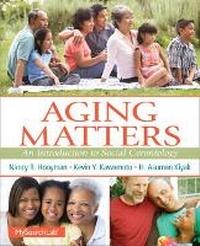
Aging Matters
An Introduction to Social Gerontology
Published on 22. May 2014
Book
Paperback/Softback
512 pages
978-0-205-72764-3 (ISBN)
Description
Presents Social Gerontology from Multiple Perspectives
Aging Matters illuminates cultural, biological, physiological, emotional, cognitive, economic, and social aspects of aging. A useful guide to a range of disciplines, this title helps readers of all educational backgrounds understand the dynamic interactions between older people and their environments.
More details
Persons
Nancy Hooyman holds the Hooyman Professorship of Gerontology and dean emeritus at the University of Washington School of Social Work. She is author of 12 books and over 130 articles and chapters. Her books include a widely used text, Social Gerontology: A Multidisciplinary Perspective (9th Edition); Aging Matters: An Introduction to Social Gerontology; Feminist Perspectives on Family Care: Policies toward Gender Justice; Taking Care of Older Relatives, one of the first widely used books on family caregiving, and Grief and Loss: Interventions across the Lifespan. She is Principal Investigator of the Council on Social Work Education's (CSWE) National Center for Gerontological Social Work Education. She is the recipient of the 2009 CSWE Significant Lifetime Achievement Award in Social Work Education and the 1998 Lifetime Achievement Award from the Association for Gerontology Education in Social Work Education, and was inducted into the American Academy of Social Work and Social Welfare in 2011.
Dr. Kevin Y. Kawamoto, a faculty member at the University of Hawaii at Manoa and previously at the University of Washington in Seattle, received his Ph.D. in Communications and M.S.W. (with a specialization in multigenerational social work) from the University of Washington. A former student of Professor Nancy R. Hooyman, he has helped to update her co-authored text Social Gerontology: A Multidisciplinary Perspective and worked on other projects with her over the years. His research interests include issues related to aging and technology; aging and mental health; and active aging.
Dr. Kevin Y. Kawamoto, a faculty member at the University of Hawaii at Manoa and previously at the University of Washington in Seattle, received his Ph.D. in Communications and M.S.W. (with a specialization in multigenerational social work) from the University of Washington. A former student of Professor Nancy R. Hooyman, he has helped to update her co-authored text Social Gerontology: A Multidisciplinary Perspective and worked on other projects with her over the years. His research interests include issues related to aging and technology; aging and mental health; and active aging.
Content
In this Section:
1. Brief Table of Contents
2. Full Table of Contents
1. Brief Table of Contents:
?
Introduction
Chapter 1:???? Older Population in the United States
Chapter 2:???? Global Aging and Older Immigrants in the U.S.
Chapter 3:???? Physical Well-being:? Physiological Changes and Health
Chapter 4:???? Mental and Emotional Well-Being
Chapter 6:???? Family, Friends, and Other Informal Supports
Chapter 7:???? Informal and Family Caregiving
Chapter 8:???? Productive Aging: Leisure, Spirituality and Civic Engagement
Chapter 10:?? Economic Well-being: Retirement, Employment and Poverty
Chapter 11:?? Community Well-Being: Living Arrangements and Social Interactions
Chapter 12:?? Enhancing Older Adults' Well-being through Technology
Chapter 13:?? Policies to Promote Older Adults' Well-Being
Chapter 14:?? Careers in Aging
2. Full Table of Contents
?
Introduction
Why Study Gerontology?
Key Terms
How Do We Study Older Adults?
Organization of the Text
?
Chapter 1:???? Older Population in the United States
Changing Demographics of the U.S. Population
Maximum Life Span
The Rapid Growth of the Old-Old and Oldest-Old
Increasing Diversity Among the Older Population
Longevity in Health or Disease? What does the Future Hold?
?
Chapter 2:???? Global Aging and Older Immigrants in the U.S.
Global Trends in Aging
Economic Implications for Industrialized Countries
Older Adults in Traditional Societies and the Impact of Modernization
Immigrants to the United States
?
Chapter 3:???? Physical Well-being:? Physiological Changes and Health
Biological Theories of Aging
"Normal" Physiological Changes with Age
Common Chronic Diseases
Accidents
Use of Physician Services
Health Promotion
?
Chapter 4:???? Mental and Emotional Well-Being
Aging and Cognitive Function
Personality in the Later Years
Mental Disorders among Older Persons
?
Chapter 5 Social Theories of Aging
The Importance of Social Theories of Aging
Social Gerontological Theory before 1961: Role and Activity
The Next Stage of Theory Development: Disengagement and Continuity Theory?????????
Newer Social Theoretical Perspectives
A Focus on Structural Factors:? Political Economy and Social Constructionism
Recent Developments in Social Gerontological Theory
?
Chapter 6:???? Family, Friends, and Other Informal Supports
We All Need Informal Social Support????????
The Centrality of Family Supports
Older Partners as Social Support
Sexuality, Intimacy and Emotional Support
Other Family Supports
?
Chapter 7:???? Informal and Family Caregiving
What is Informal Caregiving?
Services and Support for Caregivers
Underpaid Caregivers Direct Care Workers
?
Chapter 8:???? Productive Aging: Leisure, Spirituality and Civic Engagement
Defining Productive Aging
Leisure
Religious Participation, Religiosity, and Spirituality
Civic Engagement
?
Chapter 9:????Loss within the Context of Aging
The Nature of Grief
Typical Non-Death Losses Faced by Older Adults
Death of Loved Ones
Approaching One's own Death and the Dying Process
End-of-Life Care: Palliative Care and Hospice
The Right to Die
Legal Options Regarding End-of-Life Care
?
Chapter 10:?? Economic Well-being: Retirement, Employment and Poverty
Retirement
Employment
Economic Status
Changing Conceptions of Work and Retirement
?
Chapter 11:?? Community Well-Being: Living Arrangements and Social Interactions
The Aging Experience in Rural, Urban, and Suburban Areas
Housing Patterns of Older People
Social and Health Services to Promote Aging in Place
Housing Policy and Growing Housing Needs
?
Chapter 12:?? Enhancing Older Adults' Well-being through Technology
Information and Communication Technologies
Managing Health Online
Technology in the Workplace
Technologies to Help Aging in Place
Can Computer Games Promote Elders' Well-being?
?
Chapter 13:?? Policies to Promote Older Adults' Well-Being
Understanding Policies, Programs and Regulations
Historical, Economic and Political Context
Social Security: An Income Security Program
Social Services through the Older Americans Act
Medicare and Medicaid
Directions in Long-term Services and Supports
?
Chapter 14:?? Careers in Aging
Why Consider a Career in Aging?
The Wide Range of Jobs in Aging
Preparing for a Career in Aging
A Multidisciplinary, Multigenerational Outlook
?
?
?
1. Brief Table of Contents
2. Full Table of Contents
1. Brief Table of Contents:
?
Introduction
Chapter 1:???? Older Population in the United States
Chapter 2:???? Global Aging and Older Immigrants in the U.S.
Chapter 3:???? Physical Well-being:? Physiological Changes and Health
Chapter 4:???? Mental and Emotional Well-Being
Chapter 6:???? Family, Friends, and Other Informal Supports
Chapter 7:???? Informal and Family Caregiving
Chapter 8:???? Productive Aging: Leisure, Spirituality and Civic Engagement
Chapter 10:?? Economic Well-being: Retirement, Employment and Poverty
Chapter 11:?? Community Well-Being: Living Arrangements and Social Interactions
Chapter 12:?? Enhancing Older Adults' Well-being through Technology
Chapter 13:?? Policies to Promote Older Adults' Well-Being
Chapter 14:?? Careers in Aging
2. Full Table of Contents
?
Introduction
Why Study Gerontology?
Key Terms
How Do We Study Older Adults?
Organization of the Text
?
Chapter 1:???? Older Population in the United States
Changing Demographics of the U.S. Population
Maximum Life Span
The Rapid Growth of the Old-Old and Oldest-Old
Increasing Diversity Among the Older Population
Longevity in Health or Disease? What does the Future Hold?
?
Chapter 2:???? Global Aging and Older Immigrants in the U.S.
Global Trends in Aging
Economic Implications for Industrialized Countries
Older Adults in Traditional Societies and the Impact of Modernization
Immigrants to the United States
?
Chapter 3:???? Physical Well-being:? Physiological Changes and Health
Biological Theories of Aging
"Normal" Physiological Changes with Age
Common Chronic Diseases
Accidents
Use of Physician Services
Health Promotion
?
Chapter 4:???? Mental and Emotional Well-Being
Aging and Cognitive Function
Personality in the Later Years
Mental Disorders among Older Persons
?
Chapter 5 Social Theories of Aging
The Importance of Social Theories of Aging
Social Gerontological Theory before 1961: Role and Activity
The Next Stage of Theory Development: Disengagement and Continuity Theory?????????
Newer Social Theoretical Perspectives
A Focus on Structural Factors:? Political Economy and Social Constructionism
Recent Developments in Social Gerontological Theory
?
Chapter 6:???? Family, Friends, and Other Informal Supports
We All Need Informal Social Support????????
The Centrality of Family Supports
Older Partners as Social Support
Sexuality, Intimacy and Emotional Support
Other Family Supports
?
Chapter 7:???? Informal and Family Caregiving
What is Informal Caregiving?
Services and Support for Caregivers
Underpaid Caregivers Direct Care Workers
?
Chapter 8:???? Productive Aging: Leisure, Spirituality and Civic Engagement
Defining Productive Aging
Leisure
Religious Participation, Religiosity, and Spirituality
Civic Engagement
?
Chapter 9:????Loss within the Context of Aging
The Nature of Grief
Typical Non-Death Losses Faced by Older Adults
Death of Loved Ones
Approaching One's own Death and the Dying Process
End-of-Life Care: Palliative Care and Hospice
The Right to Die
Legal Options Regarding End-of-Life Care
?
Chapter 10:?? Economic Well-being: Retirement, Employment and Poverty
Retirement
Employment
Economic Status
Changing Conceptions of Work and Retirement
?
Chapter 11:?? Community Well-Being: Living Arrangements and Social Interactions
The Aging Experience in Rural, Urban, and Suburban Areas
Housing Patterns of Older People
Social and Health Services to Promote Aging in Place
Housing Policy and Growing Housing Needs
?
Chapter 12:?? Enhancing Older Adults' Well-being through Technology
Information and Communication Technologies
Managing Health Online
Technology in the Workplace
Technologies to Help Aging in Place
Can Computer Games Promote Elders' Well-being?
?
Chapter 13:?? Policies to Promote Older Adults' Well-Being
Understanding Policies, Programs and Regulations
Historical, Economic and Political Context
Social Security: An Income Security Program
Social Services through the Older Americans Act
Medicare and Medicaid
Directions in Long-term Services and Supports
?
Chapter 14:?? Careers in Aging
Why Consider a Career in Aging?
The Wide Range of Jobs in Aging
Preparing for a Career in Aging
A Multidisciplinary, Multigenerational Outlook
?
?
?