


Shinkansen
From Bullet Train to Symbol of Modern Japan
1st Edition
Published on 27. January 2006
Book
Hardback
268 pages
978-0-415-32052-8 (ISBN)
Description
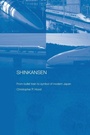
The image of the shinkansen - or 'bullet train' - passing Mount Fuji is one of the most renowned images of modern Japan. Yet, despite its international reputation for speed and punctuality, little is understood about what makes it work so well and what its impact is.
This is a comprehensive account of the history of the shinkansen, from its planning during the Pacific War, to its launch in 1964 and subsequent development. It goes on to analyze the reasons behind the bullet train's success, and demonstrates how it went from being simply a high-speed rail network to attaining the status of iconic national symbol. It considers the shinkansen's relationship with national and regional politics and economic development, its financial viability, the environmental challenges it must cope with, and the ways in which it reflects and influences important aspects of Japanese society. It concludes by considering whether the bullet train can be successful in other countries developing high-speed railways. Overall, this book provides a thorough examination of the phenomenon of the shinkansen, and its relationship with Japanese society.
This is a comprehensive account of the history of the shinkansen, from its planning during the Pacific War, to its launch in 1964 and subsequent development. It goes on to analyze the reasons behind the bullet train's success, and demonstrates how it went from being simply a high-speed rail network to attaining the status of iconic national symbol. It considers the shinkansen's relationship with national and regional politics and economic development, its financial viability, the environmental challenges it must cope with, and the ways in which it reflects and influences important aspects of Japanese society. It concludes by considering whether the bullet train can be successful in other countries developing high-speed railways. Overall, this book provides a thorough examination of the phenomenon of the shinkansen, and its relationship with Japanese society.
Reviews / Votes
'This book comprehensively covers just about every conceivable aspect of the shinkansen, linking its development to social and economic changes in Japan...This highly readable book makes a significant contribution not just to Japanese studies but also to the field of transport studies.' - japansocietyMore details
Series
Language
English
Place of publication
London
United Kingdom
Publishing group
Taylor & Francis Ltd
Target group
College/higher education
Illustrations
18 s/w Zeichnungen, 28 s/w Tabellen, 53 s/w Abbildungen, 35 s/w Photographien bzw. Rasterbilder
28 Tables, black and white; 18 Line drawings, black and white; 35 Halftones, black and white; 53 Illustrations, black and white
Dimensions
Height: 240 mm
Width: 161 mm
Thickness: 20 mm
Weight
602 gr
ISBN-13
978-0-415-32052-8 (9780415320528)
Copyright in bibliographic data and cover images is held by Nielsen Book Services Limited or by the publishers or by their respective licensors: all rights reserved.
Schweitzer Classification
Other editions
Additional editions
Book
06/2007
1st Edition
Routledge
€76.80
Shipment within 15-20 days

E-Book
04/2006
1st Edition
Routledge
€291.60
Available for download

E-Book
04/2006
Routledge
€69.99
Available for download

E-Book
04/2006
Routledge
€69.99
Available for download
Person
Christopher P. Hood is Director of the Cardiff Japanese Studies Centre, Cardiff University and Associate Fellow at Chatham House. He is the author of Japanese Education Reform: Nakasone's Legacy (Routledge 2001), co-editor with G. Bownas and D. Powers of Doing Business with the Japanese (2003), and regularly handles media enquiries relating to Japan.
Content
1. Introduction 2. From Bullet Train to Low Flying Plane 3. Ambassador of Japan 4. Whose Line is it Anyway? 5. The Bottom Line 6. The Need for Training 7. Mirror of Japan 8. Conclusion