


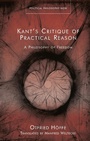
Kant's Critique of Practical Reason
A Philosophy of Freedom
Published on 15. September 2023
Book
Hardback
296 pages
978-1-83772-045-3 (ISBN)
Description
Published in English for the first time, Kant's Critique of Practical Reason is a slightly abridged and updated edition of Professor Hoeffe's groundbreaking work originally published in German. In the book, the author systematically introduces one of the most important areas of Kant's philosophy, and relates its basic ideas to the debates of today.
The first part introduces the four driving forces that motivated Kant's practical philosophy and which are still relevant today: Enlightenment, critique, morality and cosmopolitanism. The second part demonstrates the extent to which Kant revolutionised moral philosophy. In the third part, the author explains the provocations that lie at the heart of Kant's practical philosophy. The remaining parts deal with political philosophy, the philosophy of history, and Kant's thinking about religion and education.
The first part introduces the four driving forces that motivated Kant's practical philosophy and which are still relevant today: Enlightenment, critique, morality and cosmopolitanism. The second part demonstrates the extent to which Kant revolutionised moral philosophy. In the third part, the author explains the provocations that lie at the heart of Kant's practical philosophy. The remaining parts deal with political philosophy, the philosophy of history, and Kant's thinking about religion and education.
More details
Series
Language
English
Place of publication
Wales
United Kingdom
Target group
Professional and scholarly
Illustrations
Not illustrated
Dimensions
Height: 143 mm
Width: 223 mm
Thickness: 23 mm
Weight
472 gr
ISBN-13
978-1-83772-045-3 (9781837720453)
DOI
10.1234/b11191
Copyright in bibliographic data and cover images is held by Nielsen Book Services Limited or by the publishers or by their respective licensors: all rights reserved.
Schweitzer Classification
Other editions
Additional editions
E-Book
09/2023
1st Edition
University of Wales Press
€100.99
Available for download
Persons
Otfried Höffe is professor emeritus for philosophy and professor for practical philosophy at Tsinghua University in Beijing. He is also director of the Research Center for Political Philosophy at the University of Tübingen.
Content
Preface
1. Introduction: Four Motivating Forces
1.1 Enlightenment - 1.2 Critique in the Style of a Judicial Trial- 1.3 Morality - 1.4 Cosmopolitanism
Part 1: Kant's Revolution of Moral Philosophy
2. Ethics as Practical Philosophy
2.1 Primacy of the second Critique - 2.2 Moral Interest - 2.3 Pure Practical Reason - 2.4 A Proof in Seven Steps - 2.5 The Decisive Passage
3. Critique of the Principle of Happiness
3.1 Moralizing in an Ivory Tower? - 3.2 Mere Form - 3.3 Two Ethical Theories of Happiness: Aristotle and Utilitarianism
4. The New Formula: The Categorical Imperative
4.1 Three Tasks - 4.2 The Law of Nature as a Character of Law - 4.3 The Example of the Deposit - 4.4 An Ethics of Maxims
5. The Freedom of the Will and the Fact of Reason
5.1 Looking Back at the Third Antinomy - 5.2 Free Will - 5.3 The Moral Law Prior to Freedom - 5.4 The Fact of Reason - 5.5 Why be Moral: the Feeling of Respect - 5.6 What can Modern Moral Philosophy Learn from Kant?
Part 2: Kant's Provocations
6. Provocation 1: A Highest Good?
6.1 A Parallel to the First Critique? - 6.2 From Duty to Hope: the Highest Good - 6.3 Re-Theologizing and a Rest of Eudaimonism? - 6.4 General (Quasi-)Dialectic of Pure Reason - 6.5 The Postulates: God and Immortality
7. Provocation 2: Duty contra Desire? (Schiller)
7.1 Does Morality Require the Contrast with Desire? - 7.2 What is it That Finds Unity in the Beautiful Soul? - 7.3 Kant or Schiller?
8. Provocation 3: A 'Metaphysics' of Morals?
8.1 Kant as an Aristotelian - 8.2 Aristotle's Ethics: Free of Metaphysics, yet Metaphysical - 8.3 Kant's Ethics: Metaphysical, yet Free of Metaphysics
Part 3: World Politics and World History
9. Kant's Justice Theory of Peace
9.1 A Plethora of Innovations - 9.2 'Royal Peoples' and a Royal Humanity - 9.3 A Realistic Vision
10. A Cosmopolitan Philosophy of History
10.1 The Framework of Discussion - 10.2 The Texts - 10.3 Against Cyclopic Learnedness - 10.4 The Engine: Antagonism - 10.5 Thinking of Progress: Modest-Immodest - 10.6 On the Epistemic Status
11. On the Guarantee of Perpetual Peace
11.1 A Quasi-Transcendental Deduction - 11.2 The Solution: "Nature the Great Artist' - 11.3 Outer and Inner Nature - 11.4 Constitutional, International and Cosmopolitan Right - 11.5 Epistemic Status
Part 4: Religion, Education und the Final End
12. The Rational Limits of Religion
12.1 No Fourth Critique - 12.2 The New Project - 12.3 'Bare' Reason - 12.4 Thematic and Methodical Innovations - 12.5 The Main Topics - 12.6 A Wealth of Interpretations - 12.7 Interim Result
13. Philosophy of Education
13.1. Pedagogical Anthropology - 13.2 Four Goals of Education - 13.3. 'The Child is supposed to ... Learn to Work' - 13.4 Result
14. Human Beings as the Final End
14.1 The Provocative Claim - 14.2 Kant's Argument - 14.3 On the Final End
15. A Look at the More Recent German Debate
15.1 The Textual Basis - 15.2. A Kant Lexicon - 15.3 Commentaries - 15.4 Monographs
Afterword
Abbreviations and Method of Citation
Bibliography
Index of Names
Index of Subjects
1. Introduction: Four Motivating Forces
1.1 Enlightenment - 1.2 Critique in the Style of a Judicial Trial- 1.3 Morality - 1.4 Cosmopolitanism
Part 1: Kant's Revolution of Moral Philosophy
2. Ethics as Practical Philosophy
2.1 Primacy of the second Critique - 2.2 Moral Interest - 2.3 Pure Practical Reason - 2.4 A Proof in Seven Steps - 2.5 The Decisive Passage
3. Critique of the Principle of Happiness
3.1 Moralizing in an Ivory Tower? - 3.2 Mere Form - 3.3 Two Ethical Theories of Happiness: Aristotle and Utilitarianism
4. The New Formula: The Categorical Imperative
4.1 Three Tasks - 4.2 The Law of Nature as a Character of Law - 4.3 The Example of the Deposit - 4.4 An Ethics of Maxims
5. The Freedom of the Will and the Fact of Reason
5.1 Looking Back at the Third Antinomy - 5.2 Free Will - 5.3 The Moral Law Prior to Freedom - 5.4 The Fact of Reason - 5.5 Why be Moral: the Feeling of Respect - 5.6 What can Modern Moral Philosophy Learn from Kant?
Part 2: Kant's Provocations
6. Provocation 1: A Highest Good?
6.1 A Parallel to the First Critique? - 6.2 From Duty to Hope: the Highest Good - 6.3 Re-Theologizing and a Rest of Eudaimonism? - 6.4 General (Quasi-)Dialectic of Pure Reason - 6.5 The Postulates: God and Immortality
7. Provocation 2: Duty contra Desire? (Schiller)
7.1 Does Morality Require the Contrast with Desire? - 7.2 What is it That Finds Unity in the Beautiful Soul? - 7.3 Kant or Schiller?
8. Provocation 3: A 'Metaphysics' of Morals?
8.1 Kant as an Aristotelian - 8.2 Aristotle's Ethics: Free of Metaphysics, yet Metaphysical - 8.3 Kant's Ethics: Metaphysical, yet Free of Metaphysics
Part 3: World Politics and World History
9. Kant's Justice Theory of Peace
9.1 A Plethora of Innovations - 9.2 'Royal Peoples' and a Royal Humanity - 9.3 A Realistic Vision
10. A Cosmopolitan Philosophy of History
10.1 The Framework of Discussion - 10.2 The Texts - 10.3 Against Cyclopic Learnedness - 10.4 The Engine: Antagonism - 10.5 Thinking of Progress: Modest-Immodest - 10.6 On the Epistemic Status
11. On the Guarantee of Perpetual Peace
11.1 A Quasi-Transcendental Deduction - 11.2 The Solution: "Nature the Great Artist' - 11.3 Outer and Inner Nature - 11.4 Constitutional, International and Cosmopolitan Right - 11.5 Epistemic Status
Part 4: Religion, Education und the Final End
12. The Rational Limits of Religion
12.1 No Fourth Critique - 12.2 The New Project - 12.3 'Bare' Reason - 12.4 Thematic and Methodical Innovations - 12.5 The Main Topics - 12.6 A Wealth of Interpretations - 12.7 Interim Result
13. Philosophy of Education
13.1. Pedagogical Anthropology - 13.2 Four Goals of Education - 13.3. 'The Child is supposed to ... Learn to Work' - 13.4 Result
14. Human Beings as the Final End
14.1 The Provocative Claim - 14.2 Kant's Argument - 14.3 On the Final End
15. A Look at the More Recent German Debate
15.1 The Textual Basis - 15.2. A Kant Lexicon - 15.3 Commentaries - 15.4 Monographs
Afterword
Abbreviations and Method of Citation
Bibliography
Index of Names
Index of Subjects