

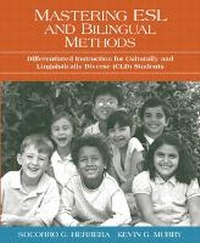
Mastering ESL and Bilingual Methods
Differentiated Instruction for Culturally and Linguistically Diverse (CLD) Students
Published on 15. October 2004
Book
Paperback/Softback
432 pages
978-0-205-41060-6 (ISBN)
Description
Sure to get students engaged and thinking critically about CLD students, this text examines theory and research-based methods that are specific to and effective with CLD students and which promote linguistic and academic achievement. This text concentrates on ways in which the differential needs of CLD students can be mutually accommodated within various classroom settings. Focusing on answering the provocative question: "In what ways do the needs of CLD students differ from those of students whose culture and language correspond to the dominant culture/language in American society?," students will gain an understanding of the complex realities that CLD students face as well as the differential language and transition needs of these students. The specific challenges and processes of the sociocultural, academic, cognitive, and linguistic dimensions of the CLD student biography are explored in the text.
More details
Language
English
Place of publication
United States
Publishing group
Pearson Education (US)
Target group
Professional and scholarly
Dimensions
Height: 190 mm
Width: 232 mm
Thickness: 25 mm
Weight
753 gr
ISBN-13
978-0-205-41060-6 (9780205410606)
Copyright in bibliographic data and cover images is held by Nielsen Book Services Limited or by the publishers or by their respective licensors: all rights reserved.
Schweitzer Classification
Other editions
New editions
Socorro G. Herrera | Kevin G. Murry
Mastering ESL and Bilingual Methods
Differentiated Instruction for Culturally and Linguistically Diverse (CLD) Students
Book
11/2010
2nd Edition
Pearson
€75.51
Article exhausted; check for reprint
Content
Preface.
About the Authors.
I. HALLMARKS OF ACCOMMODATIVE INSTRUCTION.
1. Multidimensional Foundations of Methods for CLD Students.
Demographic Patterns and Student Diversity.
Describing Cultural and Linguistic Diversity in the Classroom.
Understanding the Realities of Cultural and Linguistic Diversity in the Classroom.
2. Cognitive and Academic Dimensions of Methods for CLD Students.
The Cognitive Dimension of the CLD Student Biography.
The Academic Dimension of the CLD Student Biography
3. Linguistic Dimensions of Methods for CLD Students.
The Linguistic Dimension of the CLD Student Biography.
Challenges of the Linguistic Dimension.
Processes of the Linguistic Dimension.
Linguistic Dimension: Implications for Classrooms/School Practice.
II. ACCOMMODATION READINESS.
4. Changing Perspectives in Platform Development for Instructional Methods.
Effective Program Models for CLD Students: Research and Analyses.
When the Ideal Is Not Ideal.
Range of Program Models for CLD Students.
Sociopolitical Foundations of Quality Programming.
5. A Framework of Accommodation Readiness.
The Accommodation Readiness Spiral.
Readiness for Critical Reflection on Practice.
Readiness for CLD Students and Families.
Environmental Readiness.
Curricular Readiness.
Programming and Instructional Readiness.
Readiness for Application and Advocacy.
III. PROFESSIONALISM IN PRACTICE.
6. Planning & Grounding Instructional Methodology.
Consistency in Nomenclature Enables Communication
Consistency: In Practice.
Three Dominant Approaches to Second Language Instruction.
7. The Integrated Content-Based Method of Instruction
Evolution of Content-based Instruction.
Integrated Content-Based Instruction.
Delivering Integrated Content-Based Instruction.
8. The Sheltered Method of Instruction.
Realities of Sheltered Instruction.
Myths and Misconceptions Associated with Sheltered Instruction.
Specially Designed Academic Instruction in English [SDAIE].
The Sheltered Instruction Observation Protocol [SIOP].
9. The CALLA Method of Instruction.
Cognitive Methods and Learning Strategies.
Cognitive Teaching Methods for Instructing CLD Students.
10. Achieving Standards-driven Professional Practice.
Nationally Recognized Standards for Teachers of CLD Students.
Standards-driven Reflection on Professional Practice.
Conclusion: Setting Goals for Professional Development.
Glossary.
Appendix.
References.
About the Authors.
I. HALLMARKS OF ACCOMMODATIVE INSTRUCTION.
1. Multidimensional Foundations of Methods for CLD Students.
Demographic Patterns and Student Diversity.
Describing Cultural and Linguistic Diversity in the Classroom.
Understanding the Realities of Cultural and Linguistic Diversity in the Classroom.
2. Cognitive and Academic Dimensions of Methods for CLD Students.
The Cognitive Dimension of the CLD Student Biography.
The Academic Dimension of the CLD Student Biography
3. Linguistic Dimensions of Methods for CLD Students.
The Linguistic Dimension of the CLD Student Biography.
Challenges of the Linguistic Dimension.
Processes of the Linguistic Dimension.
Linguistic Dimension: Implications for Classrooms/School Practice.
II. ACCOMMODATION READINESS.
4. Changing Perspectives in Platform Development for Instructional Methods.
Effective Program Models for CLD Students: Research and Analyses.
When the Ideal Is Not Ideal.
Range of Program Models for CLD Students.
Sociopolitical Foundations of Quality Programming.
5. A Framework of Accommodation Readiness.
The Accommodation Readiness Spiral.
Readiness for Critical Reflection on Practice.
Readiness for CLD Students and Families.
Environmental Readiness.
Curricular Readiness.
Programming and Instructional Readiness.
Readiness for Application and Advocacy.
III. PROFESSIONALISM IN PRACTICE.
6. Planning & Grounding Instructional Methodology.
Consistency in Nomenclature Enables Communication
Consistency: In Practice.
Three Dominant Approaches to Second Language Instruction.
7. The Integrated Content-Based Method of Instruction
Evolution of Content-based Instruction.
Integrated Content-Based Instruction.
Delivering Integrated Content-Based Instruction.
8. The Sheltered Method of Instruction.
Realities of Sheltered Instruction.
Myths and Misconceptions Associated with Sheltered Instruction.
Specially Designed Academic Instruction in English [SDAIE].
The Sheltered Instruction Observation Protocol [SIOP].
9. The CALLA Method of Instruction.
Cognitive Methods and Learning Strategies.
Cognitive Teaching Methods for Instructing CLD Students.
10. Achieving Standards-driven Professional Practice.
Nationally Recognized Standards for Teachers of CLD Students.
Standards-driven Reflection on Professional Practice.
Conclusion: Setting Goals for Professional Development.
Glossary.
Appendix.
References.