

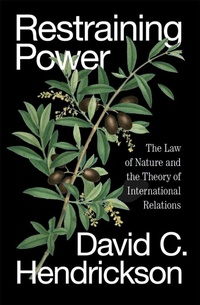
Restraining Power
The Law of Nature and the Theory of International Relations
Will be published approx. on 8. September 2026
Book
Paperback/Softback
352 pages
978-1-83674-246-3 (ISBN)
Description
Restraining Power examines the ethical and strategic dilemmas of sovereign coexistence. Excavating a forgotten tradition of the "law of nature and nations" intended to restrain the violent impulses of states, David C. Hendrickson shows how this perspective emphasizes respect for the rights of other nations. It provides an essential bulwark of peace in an anarchic world.
All states, Hendrickson argues, have an interest in observing the principles of reciprocity, justice, and good faith, but few have violated them more than the United States. In neglecting these principles, US foreign policy has entered a destabilizing shadow world in which force and fraud are normalized.
At once rigorous and elegantly written, Restraining Power is essential reading for students and scholars of international relations, political philosophy, and history who want to rethink the moral and prudential boundaries of power in global affairs.
All states, Hendrickson argues, have an interest in observing the principles of reciprocity, justice, and good faith, but few have violated them more than the United States. In neglecting these principles, US foreign policy has entered a destabilizing shadow world in which force and fraud are normalized.
At once rigorous and elegantly written, Restraining Power is essential reading for students and scholars of international relations, political philosophy, and history who want to rethink the moral and prudential boundaries of power in global affairs.
Reviews / Votes
David Hendrickson writes with verve, insight, and wisdom in what is a must-read book for our perplexing times. I recommend it with great enthusiasm to general readers and specialists alike. -- Rajan Menon, author of <i>The Conceit of Humanitarian Intervention</i> Thoughtful, timely, and utterly original. Restraining Power affirms David Hendrickson's place among the leading scholars of his generation. In our so-called Age of Trump, Americans especially would do well to read and heed this book's message. -- Andrew Bacevich, author of <i>After the Apocalypse: America's Role in a World Transformed</i>More details
Edition
Paperback original
Language
English
Place of publication
London
United Kingdom
Product notice
Paperback (trade)
Unsewn / adhesive bound
Dimensions
Height: 234 mm
Width: 153 mm
Weight
367 gr
ISBN-13
978-1-83674-246-3 (9781836742463)
Copyright in bibliographic data and cover images is held by Nielsen Book Services Limited or by the publishers or by their respective licensors: all rights reserved.
Schweitzer Classification
Person
David C. Hendrickson is emeritus professor of Political Science at Colorado College and the author of nine books, most recently Republic in Peril: American Empire and the Liberal Tradition. A distinguished scholar and commentator on international relations and US foreign policy, he has written for Foreign Affairs, the National Interest, the American Conservative and the Quincy Institute's Responsible Statecraft. He served as President of the John Quincy Adams Society in 2022-23.
Content
PREFACE
ACKNOWLEDGMENTS
A NOTE ON THE BIBLIOGRAPHY
I. The War Problem
1. The Duty of Peace
2. The Goals of States
3. Cold Monsters
4. A Pattern in Miniature
II.Facts and Values
5. Three Ways of Knowing
6. Parsimony and Prediction as False Gods
7. A Different Map
III. Rival Approaches
8. The American Science of International Politics
9. International Society and the English School
IV.The Law of Nature on a New Foundation
10. Grotius Breaks the Ice
11. The Significance of Hobbes
12. Samuel Pufendorf is the Man
13. Vattel: The Law of Nature Applied to Nations
14. The Rise and Fall of Legal Positivism
15. The UN Charter and the Law of Nature
16. The Preeminent Theory of International Relations
V.Classical Realism and Classical Idealism
17. Reason of State
18. Diplomacy and Duplicity
19. Thucydides and the War of the Peloponnese
20. Hard and Soft Realism
21. The Classical Idealists
VI.The American Realists
22. The Enigma of Hans J. Morgenthau
23. The Realists and US Foreign Policy
24. The Clash of Civilizations
VII.Four Doctrines in Liberalism
25. Two Directions for the Law of Nature
26. The Rise of the Market
27. Natural Right and the African Slave Trade
28. Institutional Liberalism and the American Founding
29. The Use and Abuse of Democratic Peace Theory
30. A Balance Sheet
VIII.Contemporary IR Theory and the Washington Policy Debate
31. Lebow and the Ancients
32. Republican Security Theory
33. Nonzerosumness and Restraint
34. Hegemonic Discourses
35. States and Nations
36. Mugged by Reality: IR Theory and American Militarism
37. Hawks and Doves
IX.Varieties of Revolutionism
38. Neoconservatism: The United States as a Revolutionary Power
39. Radical Enlightenment
40. Rival Theories of Intervention
41. Marxism and the Class Struggle
42. Hard and Soft Revolutionism
43. Edmund Burke and the Constitutional Tradition
X.The Law of Nature in the 21st Century
44. What the Law of Nature Is
45. The United States and the Law of Nature
46. In Defense of Pluralism
47. Cognitive Empathy
48. Lasting Relevance
SELECT BIBLIOGRAPHY
INDEX
ACKNOWLEDGMENTS
A NOTE ON THE BIBLIOGRAPHY
I. The War Problem
1. The Duty of Peace
2. The Goals of States
3. Cold Monsters
4. A Pattern in Miniature
II.Facts and Values
5. Three Ways of Knowing
6. Parsimony and Prediction as False Gods
7. A Different Map
III. Rival Approaches
8. The American Science of International Politics
9. International Society and the English School
IV.The Law of Nature on a New Foundation
10. Grotius Breaks the Ice
11. The Significance of Hobbes
12. Samuel Pufendorf is the Man
13. Vattel: The Law of Nature Applied to Nations
14. The Rise and Fall of Legal Positivism
15. The UN Charter and the Law of Nature
16. The Preeminent Theory of International Relations
V.Classical Realism and Classical Idealism
17. Reason of State
18. Diplomacy and Duplicity
19. Thucydides and the War of the Peloponnese
20. Hard and Soft Realism
21. The Classical Idealists
VI.The American Realists
22. The Enigma of Hans J. Morgenthau
23. The Realists and US Foreign Policy
24. The Clash of Civilizations
VII.Four Doctrines in Liberalism
25. Two Directions for the Law of Nature
26. The Rise of the Market
27. Natural Right and the African Slave Trade
28. Institutional Liberalism and the American Founding
29. The Use and Abuse of Democratic Peace Theory
30. A Balance Sheet
VIII.Contemporary IR Theory and the Washington Policy Debate
31. Lebow and the Ancients
32. Republican Security Theory
33. Nonzerosumness and Restraint
34. Hegemonic Discourses
35. States and Nations
36. Mugged by Reality: IR Theory and American Militarism
37. Hawks and Doves
IX.Varieties of Revolutionism
38. Neoconservatism: The United States as a Revolutionary Power
39. Radical Enlightenment
40. Rival Theories of Intervention
41. Marxism and the Class Struggle
42. Hard and Soft Revolutionism
43. Edmund Burke and the Constitutional Tradition
X.The Law of Nature in the 21st Century
44. What the Law of Nature Is
45. The United States and the Law of Nature
46. In Defense of Pluralism
47. Cognitive Empathy
48. Lasting Relevance
SELECT BIBLIOGRAPHY
INDEX