

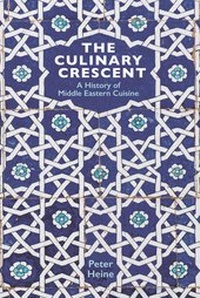
The Culinary Crescent
A History of Middle Eastern Cuisine
Published on 8. October 2018
Book
Hardback
232 pages
978-1-909942-25-7 (ISBN)
Description
This cultural history of Middle Eastern cuisine combines scholarship with passion: Professor Peter Heine's knowledge of the culinary traditions of the Omayyad, Abbasid, Ottoman, Safavid, as well as Moghul courts, is matched by his love for the tastes and smells produced by the contemporary cooking. And in order to share his enthusiasm with his readers he has added over one hundred recipes: some from modern times, others handed down by the celebrity chefs of the Moghul Empire, and even some with promises to taste of paradise. These elegant cloth-bound volume, printed in colour, provides a window in the history of food in the Middle East.
Reviews / Votes
"A concise, digestible and enthralling read with stories, recipes, and illustrations from across the Arab world, Iran and Turkey to show the significance cuisine has had on the region over the past 1,500 years. The work covers countries from Morocco to India, and delves into the traditions of the Umayyads, Abbasids, Mughals and Ottomans to uncover the cultural markers of these ages. . . . An essential read to learn more about Middle Eastern cuisine, but also to understand more about the region's history and relationships with other parts of the world."--New Arab "A love letter to Middle Eastern food in all its varieties."--Follow the Crumbs "'Heine's book is so packed with fascinating information and anecdotes that if you are anything close to a food aficionado it would be very hard to put it down. He writes very engagingly and knowledgeably; he is completely at home with his subject and presents it to his readers with enthusiasm and gusto. Heine manages, in a little more than two hundred pages, to cover more than a thousand years of culinary history and practices, showing readers how and why this particular form of cuisine has become so popular in the West, and immensely expanding our knowledge of it."--Asian Review of Books "Heine weaves together Islamic dietary prescriptions, a political and economic food history of the Middle East, and a colorful oeuvre of recipes in a fascinating account of the region's cuisine across the ages. Drawing on medieval Arabic and Persian poetry, Islamic legal rulings, ancient and modern cookbooks, and academic scholarship on the region, Heine provides an easy-to-read introduction to the gastronomic side of Middle Eastern culture. . . . Detailed recipes intersperse the text, a gesture which makes Heine's historical account compelling, relatable, and even edible. Intended for the general reader, this book is of interest to culinary enthusiasts and those seeking a fresh angle on the Middle East's place in global history. . . . Summing Up: Highly recommended."--CHOICEMore details
Language
English
Place of publication
London
United Kingdom
Publishing group
GINGKO
Product notice
sewn/stitched
Cloth over boards
Illustrations
dual coloured
Dimensions
Height: 241 mm
Width: 165 mm
ISBN-13
978-1-909942-25-7 (9781909942257)
Copyright in bibliographic data and cover images is held by Nielsen Book Services Limited or by the publishers or by their respective licensors: all rights reserved.
Schweitzer Classification
Other editions
Additional editions
Book
10/2020
GINGKO
€21.50
Shipment within 3-4 weeks
E-Book
11/2018
Gingko
€30.49
Available for download
Persons
Peter Heine taught at the University of M nster and Bonn and until 2009 was Professor for Islamic Studies at the Humboldt-University in Berlin. Peter Lewis is the translator of such works as Roger Willemsen's The Ends of the Earth and Jonas L scher's Barbarian Spring.
Content
No Pork, no Alcohol
Why no pork?
Ritual slaughter
The proscription against alcohol
Blood
Yet more rules
Preferred dishes
The culinary promises of Paradise
Rules for fasting and meals for religious festivals
Secular festivals
Religious minorities in Islamic societies
A Thousand and One Saucepans - Cooking Among the High and Mighty
Hospitality
The Umayyads
The Abbasids
The Ottomans
The Safavids
The Mughal emperors
Cookbooks and Kitchen Practices
Professional chefs
Modern professional chefs
Amateur cooks
Cookbooks
Arab cuisine
Ottoman cuisine
Persian cuisine
Mughal cuisine
Modern cookbooks
Itinerant Ingredients - The Flow of Commodities to and from the East
From the Far East and the West to the Islamic world
Grains
Sugar cane
Citrus fruits
Bananas
Water melons
Spinach
Aubergines
From the Middle East to Europe
Alcohol
Apricots
Coffee
Marzipan
Saffron
Sorbets
Tomatoes and Peppers - Western Influences on
Middle Eastern Cooking
Shifts in international trade
American plants in the cuisines of the East
Potatoes
Tomatoes
Peppers/chillies
Maize (Sweetcorn)
Jerusalem artichokes
Cacao
Tea
Doner Kebabs and Falafels - Middle Eastern Cuisine in Europe
Doners and falafels
Poultry
Blancmange
Rosewater
Traces of Middle Eastern cuisine in British food
The growth in popularity of Middle Eastern food in Britain
Sweets
Old and New - Modern Middle Eastern Cuisine
Practical and technical innovations in households large and small
Eating at table
Modern preservation techniques
Changes in gastronomy
First restaurants
Modern restaurants
Your Food - Our Food: The Role of Politics and Economics
Politics and economics
Culinary identities
Dolma in Iraq
The dispute over hummus and falafel
Chefs for Peace
Other conflicts over the origins of foods
New forms of gardening
Halal as an economic factor
New halal concepts
Foodstuffs among strictly conservative Muslims in the diaspora
Conclusion
Index of Recipes and Metric Conversions
Glossary of Ingredients
Timeline
Bibliography
Why no pork?
Ritual slaughter
The proscription against alcohol
Blood
Yet more rules
Preferred dishes
The culinary promises of Paradise
Rules for fasting and meals for religious festivals
Secular festivals
Religious minorities in Islamic societies
A Thousand and One Saucepans - Cooking Among the High and Mighty
Hospitality
The Umayyads
The Abbasids
The Ottomans
The Safavids
The Mughal emperors
Cookbooks and Kitchen Practices
Professional chefs
Modern professional chefs
Amateur cooks
Cookbooks
Arab cuisine
Ottoman cuisine
Persian cuisine
Mughal cuisine
Modern cookbooks
Itinerant Ingredients - The Flow of Commodities to and from the East
From the Far East and the West to the Islamic world
Grains
Sugar cane
Citrus fruits
Bananas
Water melons
Spinach
Aubergines
From the Middle East to Europe
Alcohol
Apricots
Coffee
Marzipan
Saffron
Sorbets
Tomatoes and Peppers - Western Influences on
Middle Eastern Cooking
Shifts in international trade
American plants in the cuisines of the East
Potatoes
Tomatoes
Peppers/chillies
Maize (Sweetcorn)
Jerusalem artichokes
Cacao
Tea
Doner Kebabs and Falafels - Middle Eastern Cuisine in Europe
Doners and falafels
Poultry
Blancmange
Rosewater
Traces of Middle Eastern cuisine in British food
The growth in popularity of Middle Eastern food in Britain
Sweets
Old and New - Modern Middle Eastern Cuisine
Practical and technical innovations in households large and small
Eating at table
Modern preservation techniques
Changes in gastronomy
First restaurants
Modern restaurants
Your Food - Our Food: The Role of Politics and Economics
Politics and economics
Culinary identities
Dolma in Iraq
The dispute over hummus and falafel
Chefs for Peace
Other conflicts over the origins of foods
New forms of gardening
Halal as an economic factor
New halal concepts
Foodstuffs among strictly conservative Muslims in the diaspora
Conclusion
Index of Recipes and Metric Conversions
Glossary of Ingredients
Timeline
Bibliography