

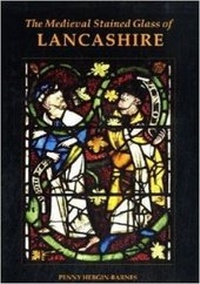
The Medieval Stained Glass of Lancashire
Published on 21. May 2009
Book
Hardback
652 pages
978-0-19-726448-5 (ISBN)
Description
This is a catalogue of the pre-Gothic Revival stained glass found at 57 sites in Lancashire. Many of these are churches, but there are also domestic halls, museums, and schools.
Highlights include important glazing dating from the 14th and 15th centuries at Cartmel Priory; a major window of c.1500 depicting the legend of St Helen at Ashton-under-Lyne; a sixteenth-century Seven Sacraments window at Cartmel Fell; fine imported 15th- and 16th-century continental panels at Chorley; and above all the magnificent but hitherto virtually unknown collection belonging to the Walker Art Gallery in Liverpool.
The introduction discusses many aspects of the stained glass of both Lancashire and the neighbouring county of Cheshire: documentary sources, donors and heraldry, condition, iconography, as well as examining the style and techniques used by the glass-painters.
The county's indigenous surviving glass mostly dates from the 16th century and while it is predominantly heraldic, several sites demonstrate the region's strong attachment to traditional Catholicism at the time of the English Reformation. This catalogue will therefore be essential not only for scholars and students of the history of medieval and early modern art, but also those with an interest in the social and religious history of Tudor Lancashire.
Highlights include important glazing dating from the 14th and 15th centuries at Cartmel Priory; a major window of c.1500 depicting the legend of St Helen at Ashton-under-Lyne; a sixteenth-century Seven Sacraments window at Cartmel Fell; fine imported 15th- and 16th-century continental panels at Chorley; and above all the magnificent but hitherto virtually unknown collection belonging to the Walker Art Gallery in Liverpool.
The introduction discusses many aspects of the stained glass of both Lancashire and the neighbouring county of Cheshire: documentary sources, donors and heraldry, condition, iconography, as well as examining the style and techniques used by the glass-painters.
The county's indigenous surviving glass mostly dates from the 16th century and while it is predominantly heraldic, several sites demonstrate the region's strong attachment to traditional Catholicism at the time of the English Reformation. This catalogue will therefore be essential not only for scholars and students of the history of medieval and early modern art, but also those with an interest in the social and religious history of Tudor Lancashire.
Reviews / Votes
[A] substantial and comprehensively illustrated volume...A mine of information and a pleasure to use. * Lawrence Butler, Northern History. *More details
Series
Language
English
Place of publication
Oxford
United Kingdom
Target group
College/higher education
Illustrations
36 colour plates
Dimensions
Height: 304 mm
Width: 216 mm
Thickness: 41 mm
Weight
2978 gr
ISBN-13
978-0-19-726448-5 (9780197264485)
Copyright in bibliographic data and cover images is held by Nielsen Book Services Limited or by the publishers or by their respective licensors: all rights reserved.
Schweitzer Classification