

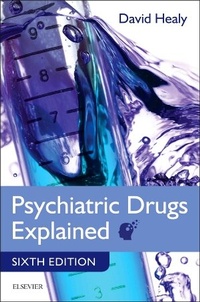
Psychiatric Drugs Explained
6th Edition
Published on 6. April 2016
Book
Paperback/Softback
360 pages
978-0-7020-4508-0 (ISBN)
Description
Now in its sixth edition, and written by an author internationally recognised in his field, Psychiatric Drugs Explained offers a wealth of information in a handy easy-to-use format. Organised by disorder, and providing a comprehensive review of drug effects, action and side-effects, this fully updated new edition covers the latest drugs on the market, and explores changes in prescribing practice.
The author's approach is distinctive and reader-friendly, to help guide mental health professionals through the benefits and impacts of psychotropic drugs. Additional topics include management of disorders including stimulants and drugs for children, cognitive impairment and sleep disorders.
Includes management of disorders including stimulants and drugs for children, cognitive impairment and sleep disorders
Gives particular focus on areas that are of major concern to mental health practitioners including management of dependence and withdrawal and issues of consent, abuse and liability
'User Issues' boxes highlight the most crucial aspects of drug effects and their implications
Key references point the reader to the most up-to-date research and literature in the field
Fresh design and updated artwork gives added appeal to the volume
Organised by disorder this new edition now covers the latest drugs on the market and explores changes in prescribing practice
Includes updated references pointing the reader to the most recent research and literature in the field
The author's approach is distinctive and reader-friendly, to help guide mental health professionals through the benefits and impacts of psychotropic drugs. Additional topics include management of disorders including stimulants and drugs for children, cognitive impairment and sleep disorders.
Includes management of disorders including stimulants and drugs for children, cognitive impairment and sleep disorders
Gives particular focus on areas that are of major concern to mental health practitioners including management of dependence and withdrawal and issues of consent, abuse and liability
'User Issues' boxes highlight the most crucial aspects of drug effects and their implications
Key references point the reader to the most up-to-date research and literature in the field
Fresh design and updated artwork gives added appeal to the volume
Organised by disorder this new edition now covers the latest drugs on the market and explores changes in prescribing practice
Includes updated references pointing the reader to the most recent research and literature in the field
More details
Edition
6th edition
Language
English
Place of publication
London
United Kingdom
Publishing group
Elsevier Health Sciences
Target group
Professional and scholarly
College/higher education
Psychiatric Drugs Explained will be ideal for mental health nurses, MRCPsych students, as well as social workers in mental health, clinical psychologists, pharmacologists and pharmacology students, community mental health professionals and GPs, advocacy and user groups in mental health, users and their families.
Dimensions
Height: 156 mm
Width: 234 mm
Weight
590 gr
ISBN-13
978-0-7020-4508-0 (9780702045080)
Copyright in bibliographic data and cover images is held by Nielsen Book Services Limited or by the publishers or by their respective licensors: all rights reserved.
Schweitzer Classification
Other editions
New editions
David Healy
Psychiatric Drugs Explained
Book
05/2022
7th Edition
Elsevier
€39.00
Shipment within 10-20 days
Additional editions
David Healy
Psychiatric Drugs Explained E-Book
E-Book
01/2016
6th Edition
Churchill Livingstone
€26.99
Available for download
Previous edition
David Healy
Psychiatric Drugs Explained
Book
12/2008
5th Edition
Churchill Livingstone
€52.18
Article exhausted; check for reprint
Person
A professor of Psychiatry in Wales, David studied medicine in Dublin, and at Cambridge University. He is a former Secretary of the British Association for Psychopharmacology, and has authored more than 200 peer-reviewed articles, 200 other pieces, and 20 books, including The Antidepressant Era and The Creation of Psychopharmacology from Harvard University Press, The Psychopharmacologists Volumes 1-3 and Let Them Eat Prozac from New York University Press, and Mania from Johns Hopkins University Press. David's latest book, Pharmageddon, documents the riveting and terrifying story of how pharmaceutical companies have hijacked healthcare in America and the life-threatening results. David's main areas of research are clinical trials in psychopharmacology, the history of psychopharmacology, and the impact of both trials and psychotropic drugs on our culture.
Content
Treatment
Section 1 Management of the psychoses
2 The antipsychotics
3 Antipsychotic side effects and their management
References
Section 2 Management of depression
4 The antidepressants
5 Side effects of antidepressants
References
Section 3 Management of bipolar disorders
6 Management of acute bipolar disorder
7 Mood-stabilisers
References
Section 4 Stimulants & Drugs for children
8 Stimulants & Drugs for children
References
Section 5 Management of anxiety
8 The anxiety disorders
10 Benzodiazepine anxiolytics
11 Anxiolysis and the serotonin system
12 Beta-blockers and anxiety
References
Section 6 Management of sleep disorders and insomnia
13 Sleep disorders and insomnia
14 Non-pharmacological management of insomnia
15 Hypnotics
16 Sedatives
References
Section 7 Management of cognitive impairment
17 Cognitive enhancement and the dementias
18 Cognitive enhancement and neuroprotection
References
Section 8 Management of sexual difficulties
19 The range of sexual difficulties
20 Effects of drugs on aspects of sexual functioning
Appendix 20.1 Male sexual functioning questionnaire
Appendix 20.2 Female sexual functioning questionnaire
References
Section 9 Management of dependence and withdrawal
21 Dependence & Withdrawal
22 Dependence & Craving
23 Dependence & Protracted Withdrawal
References
Section 10 Consent, abuse and liability
24 Consent
25 Pharmacological abuse
References
Section 11 The marketing of tranquillity
26 The ethical industry
27 Evidence-biased care
28 Marketing & Risk
29 From healthcare to pharmageddon
Section 1 Management of the psychoses
2 The antipsychotics
3 Antipsychotic side effects and their management
References
Section 2 Management of depression
4 The antidepressants
5 Side effects of antidepressants
References
Section 3 Management of bipolar disorders
6 Management of acute bipolar disorder
7 Mood-stabilisers
References
Section 4 Stimulants & Drugs for children
8 Stimulants & Drugs for children
References
Section 5 Management of anxiety
8 The anxiety disorders
10 Benzodiazepine anxiolytics
11 Anxiolysis and the serotonin system
12 Beta-blockers and anxiety
References
Section 6 Management of sleep disorders and insomnia
13 Sleep disorders and insomnia
14 Non-pharmacological management of insomnia
15 Hypnotics
16 Sedatives
References
Section 7 Management of cognitive impairment
17 Cognitive enhancement and the dementias
18 Cognitive enhancement and neuroprotection
References
Section 8 Management of sexual difficulties
19 The range of sexual difficulties
20 Effects of drugs on aspects of sexual functioning
Appendix 20.1 Male sexual functioning questionnaire
Appendix 20.2 Female sexual functioning questionnaire
References
Section 9 Management of dependence and withdrawal
21 Dependence & Withdrawal
22 Dependence & Craving
23 Dependence & Protracted Withdrawal
References
Section 10 Consent, abuse and liability
24 Consent
25 Pharmacological abuse
References
Section 11 The marketing of tranquillity
26 The ethical industry
27 Evidence-biased care
28 Marketing & Risk
29 From healthcare to pharmageddon