

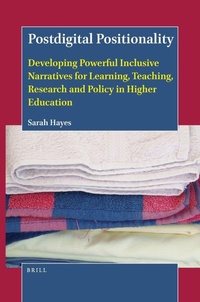
Postdigital Positionality
Developing Powerful Inclusive Narratives for Learning, Teaching, Research and Policy in Higher Education
Published on 10. June 2021
Book
Paperback/Softback
330 pages
978-90-04-43025-9 (ISBN)
Description
This book challenges the notion that static principles of inclusive practice can be embedded and measured in Higher Education. It introduces the original concept of postdigital positionality as a dynamic lens through which inclusivity policies in universities might be reimagined. Much is written about Equality, Diversity and Inclusion (EDI) based on an assumption that such principles are already 'established' in educational institutions, to ensure fairness and opportunity for all. In this book, readers are asked: what does an airing cupboard have in common with 'cancel culture'? This opens a provocative debate concerning the disconnect between EDI policy agendas and the widespread digitalisation of society. Written as Covid-19 has converged with existing political economic spaces of technology, culture, data and digital poverty, Postdigital Positionality calls for more ecologically sustainable inclusivity policies.
Reviews / Votes
[...] "The impact on inclusivity policy has been overlooked in this recognition, and Hayes' major contribution with this book is to draw our attention to the need to attend to inclusivity policies and to their current separation from policies on 'technology enhanced learning'"."For Hayes, the pandemic has helped to reveal some of the injustices previously concealed in neoliberal policies and practices. Biology, technology and culture are inextricably linked in failures of social justice and the author is in a strong position at this time to point out how. [...] The pandemic has uncovered disturbing implications of this for both the humanities and computing and their related fields; the need to work together is paramount. There are other global imperatives ahead. We shall need to be clear about our individual and collective postdigital positionalities".
Christine Sinclair in Postdigital Science and Education , May 28, 2021.
More details
Language
English
Place of publication
Leiden
Netherlands
Target group
Professional and scholarly
Product notice
Paperback (trade)
Unsewn / adhesive bound
Dimensions
Height: 234 mm
Width: 155 mm
Thickness: 18 mm
Weight
463 gr
ISBN-13
978-90-04-43025-9 (9789004430259)
Copyright in bibliographic data and cover images is held by Nielsen Book Services Limited or by the publishers or by their respective licensors: all rights reserved.
Schweitzer Classification
Other editions
Additional editions

Sarah Hayes
Postdigital Positionality
Developing Powerful Inclusive Narratives for Learning, Teaching, Research and Policy in Higher Education
Book
06/2021
Brill
€183.50
Shipment within 10-20 days
Person
Sarah Hayes, Ph.D. (2015), Aston University, Birmingham, is Professor of Higher Education Policy at University of Wolverhampton. She has published articles, edited collections and is the author of The Labour of Words in Higher Education: Is it Time to Reoccupy Policy? (Brill Sense, 2019).
Content
Acknowledgements
List of Figures
Author's Positionality Statement
Prologue: Opening the Airing Cupboard from All Sides
?1 Virtual Airing Cupboards
?2 Postdigital Airing Cupboards
?3 Airing New Postdigital Policy Discourse
?4 Viral Discourse in the Virtual Airing Cupboard
?5 The Construction of Language
?6 Positionalities
?7 Cancel Culture
?8 Inclusivity
?9 Inclusion in Policy Discourse and a Need for Postdigital Dialogue
?10 Inclusion in Decisions about our Data Requires Some 'Re-plumbing'
?11 McDonaldisation of a Virus
?12 Postdigital Inclusivity
?13 Can Universities Really 'Capture', 'Measure' or 'Deliver' Inclusivity?
?14 Inclusivity Is Not a Static Concept That Institutions Can Control
?15 New Ethics and Ownership Questions
Introduction
?1 Postdigital Positionality
?2 Covid-19
?3 Covid-19 Positionalities
?4 A 'New Normal' for Institutions, Different 'New Normals' for Each of Us, or Both?
?5 HE Policies That Self-Isolate
?6 Precarity, Disadvantage and the Rationalisation of Academic Labour
?7 Politics, Ethics and Human Attributes in the Virtual Airing Cupboard
?8 Inclusive Practice for Algorithmic Identities
?9 Rationality or Positionality
?10 New Postdigital Understandings of Interpersonal Relations and Inclusivity
?11 The Debate to Come
1 Positionality in a Postdigital Context
?1 Why Is Postdigital Positionality a Matter for Everyone?
?2 Positionality in a Traditional Sense
?3 Postdigital Positionality in a Pandemic
2 Rationalisation of Higher Education and the Postdigital Context
?1 The Shared Political Economic Spaces of Technology and Culture
?2 Airing Debate on Postdigital Positionality
3 Postdigital Positionality as a Learner
?1 Learning, Experience and Inclusion as Personal and Embodied, Not Rationally Audited
?2 Resisting the Iron Cage of 'the Student Experience'
4 Postdigital Positionality as a Teacher
?1 Measuring What Exactly, and Why?
?2 Finding New, Personal and Plural Starting Points from Which to Teach
5 Postdigital Positionality as a Researcher
?1 The McPolicy of Research Excellence
?2 Scientific Research, Crises and Convergences
6 Postdigital Positionality as a Leader and Policy Maker
?1 What Is Shaping the University and What Might the University Now Shape?
?2 Ecological Approaches towards Policy That Begin from Positionality Not Rationality
7 Conclusions on Postdigital Futures
?1 When Biological Environments Change Social Arrangements Need to Alter Too
Glossary
References
Index
List of Figures
Author's Positionality Statement
Prologue: Opening the Airing Cupboard from All Sides
?1 Virtual Airing Cupboards
?2 Postdigital Airing Cupboards
?3 Airing New Postdigital Policy Discourse
?4 Viral Discourse in the Virtual Airing Cupboard
?5 The Construction of Language
?6 Positionalities
?7 Cancel Culture
?8 Inclusivity
?9 Inclusion in Policy Discourse and a Need for Postdigital Dialogue
?10 Inclusion in Decisions about our Data Requires Some 'Re-plumbing'
?11 McDonaldisation of a Virus
?12 Postdigital Inclusivity
?13 Can Universities Really 'Capture', 'Measure' or 'Deliver' Inclusivity?
?14 Inclusivity Is Not a Static Concept That Institutions Can Control
?15 New Ethics and Ownership Questions
Introduction
?1 Postdigital Positionality
?2 Covid-19
?3 Covid-19 Positionalities
?4 A 'New Normal' for Institutions, Different 'New Normals' for Each of Us, or Both?
?5 HE Policies That Self-Isolate
?6 Precarity, Disadvantage and the Rationalisation of Academic Labour
?7 Politics, Ethics and Human Attributes in the Virtual Airing Cupboard
?8 Inclusive Practice for Algorithmic Identities
?9 Rationality or Positionality
?10 New Postdigital Understandings of Interpersonal Relations and Inclusivity
?11 The Debate to Come
1 Positionality in a Postdigital Context
?1 Why Is Postdigital Positionality a Matter for Everyone?
?2 Positionality in a Traditional Sense
?3 Postdigital Positionality in a Pandemic
2 Rationalisation of Higher Education and the Postdigital Context
?1 The Shared Political Economic Spaces of Technology and Culture
?2 Airing Debate on Postdigital Positionality
3 Postdigital Positionality as a Learner
?1 Learning, Experience and Inclusion as Personal and Embodied, Not Rationally Audited
?2 Resisting the Iron Cage of 'the Student Experience'
4 Postdigital Positionality as a Teacher
?1 Measuring What Exactly, and Why?
?2 Finding New, Personal and Plural Starting Points from Which to Teach
5 Postdigital Positionality as a Researcher
?1 The McPolicy of Research Excellence
?2 Scientific Research, Crises and Convergences
6 Postdigital Positionality as a Leader and Policy Maker
?1 What Is Shaping the University and What Might the University Now Shape?
?2 Ecological Approaches towards Policy That Begin from Positionality Not Rationality
7 Conclusions on Postdigital Futures
?1 When Biological Environments Change Social Arrangements Need to Alter Too
Glossary
References
Index