

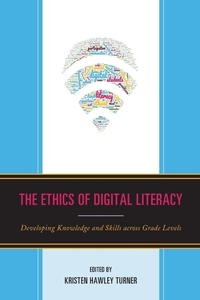
The Ethics of Digital Literacy
Developing Knowledge and Skills Across Grade Levels
Published on 11. December 2019
Book
Paperback/Softback
200 pages
978-1-4758-4676-8 (ISBN)
Description
The digital era has brought many opportunities - and many challenges - to teachers and students at all levels. Underlying questions about how technologies have changed the ways individuals read, write, and interact are questions about the ethics of participation in a digital world. As users consume and create seemingly infinite content, what are the moral guidelines that must be considered? How do we teach students to be responsible, ethical citizens in a digital world?
This book shares practices across levels, from teaching elementary students to adults, in an effort to explore these questions. It is organized into five sections that address the following aspects of teaching ethics in a digital world: ethical contexts, ethical selves, ethical communities, ethical stances, and ethical practices.
This book shares practices across levels, from teaching elementary students to adults, in an effort to explore these questions. It is organized into five sections that address the following aspects of teaching ethics in a digital world: ethical contexts, ethical selves, ethical communities, ethical stances, and ethical practices.
Reviews / Votes
This volume in Rowman & Littlefield's "Teaching Ethics across the American Educational Experience" series focuses on how kindergarten through undergraduate students are learning, and instructors are teaching, ethical dimensions of digital literacy. Five sections of essays address "Ethical Contexts," "Ethical Selves," "Ethical Communities," "Ethical Stances," and "Ethical Practices." The brief reflections by the editor that conclude each section could serve equally well as introductory segments, as they outline the themes and issues covered by the chapters in their section. The essays themselves are brief (six to ten pages), and most include some theoretical grounding as well as practical classroom applications. . . Summing Up: Recommended. . . Faculty and professionals. * Choice Reviews * In this edited collection, Kristen Hawley Turner brings together educational researchers, teachers and teacher educators to address an important question: In today's digital world, how do students become critical thinkers, ethical consumers and literate citizens? The authors in this book offer answers from a variety of perspectives as they consider how ethical considerations of context, community, self, stance and practice shape the teaching of digital literacy. Perhaps the most important element of this book is the acknowledgment that developing digital literacy is an inherently ethical endeavor for both teachers and students, shaped by personal and societal determinations of importance, impact and value. By demonstrating that teachers at all levels can - and do - address ethical issues in their teaching of digital literacy, this book encourages us to consider how we, too, can make our classrooms spaces for ethically literate understanding. -- Melanie Shoffner, professor of middle, secondary, and mathematics education, James Madison University; author of "When the Gun Isn't Metaphorical: Educating Teachers in the Age of School Shootings" With its unique focus on ethics and crucial emphasis on equity and access, this volume offers fresh inspiration for digital literacy education. Ed tech teachers, media specialists, librarians, and classroom teachers of core subjects will find powerful meditations about, and novel ideas for, the necessary work of supporting all youth in today's interconnected world. -- Carrie James, Research Associate & Principal Investigator, Project Zero, Harvard Graduate School of EducationMore details
Series
Language
English
Place of publication
United States
Publishing group
Bloomsbury Publishing Plc
Target group
Young adult
Interest Age: From 8 to 17 years
Illustrations
23 b/w photos; 2 tables; 2 textboxes
Dimensions
Height: 229 mm
Width: 152 mm
Thickness: 11 mm
Weight
301 gr
ISBN-13
978-1-4758-4676-8 (9781475846768)
Copyright in bibliographic data and cover images is held by Nielsen Book Services Limited or by the publishers or by their respective licensors: all rights reserved.
Schweitzer Classification
Other editions
Additional editions
Kristen Hawley Turner
The Ethics of Digital Literacy
Developing Knowledge and Skills Across Grade Levels
E-Book
12/2019
1st Edition
Rowman & Littlefield Publishers
€32.99
Available for download
Person
Kristen Hawley Turner, PhD, is Professor and Director of Teacher Education at Drew University in New Jersey. She is the founder and director of the Drew Writing Project and Digital Literacies Collaborative.
Content
Series Preface
Dominic Scibilia
Foreword
Antero Garcia
Introduction
Kristen Hawley Turner
Section 1: Ethical Contexts
Chapter 1: Meditation
Nicole Mirra
Chapter 2: Access, Readiness, and the Ethical Imperative of Advocacy
Lauren King and Kristen Hawley Turner
Chapter 3: Seeing Each Other Ethically Online
Derek Burtch and Amanda Gordon
Section Reflection
Kristen Hawley Turner
Section 2: Ethical Selves
Chapter 4: Meditation
Sara B. Kajder
Chapter 5: The Ethical Mandate for Shaping Digital Footprints: Reflections from Teachers
Susan Luft and Paul Tomizawa
Chapter 6: The Ethics of Composing: Identity Performances in Digital Spaces
Brandon Sams and Mike P. Cook
Chapter 7: Creatures of Habit: Self Reflexive Practices as an Ethical Pathway to Digital Literacy
Andrea L. Zellner and Leigh Graves Wolf
Section Reflection
Kristen Hawley Turner
Section 3: Ethical Communities
Chapter 8: Meditation
W. Ian O'Byrne
Chapter 9: Creating Online Communities: Fostering Understanding of Ethics and Digital Citizenship
Jade Feliciano
Chapter 10: Moving Beyond Troll Rhetoric and Facilitating Productive Online Discourse
Priscilla Thomas and Alex Corbitt
Chapter 11: Fostering Cosmopolitan Dispositions through Collaborative Classroom Activities:
Ethical Digital Engagement of K-12 Learners
Aaron R. Gierhart, Sarah Bonner, Anna Smith, and Robyn Seglem
Chapter 12: Online with Intention: Promoting Digital Health and Wellness in the Classroom Lauren Zucker and Nicole Damico
Section Reflection
Kristen Hawley Turner
Section 4: Ethical Stances
Chapter 13: Meditation
Troy Hicks
Chapter 14: Designing for Power, Agency, and Equity in Digital Literacies: New Tools, Same Problems
Katie Henry and Bud Hunt
Chapter 15: Educators discussing ethics, equity, and literacy through collaborative annotation
Jeremiah H. Kalir and Joe Dillon
Chapter 16: "It's Whatever": Students' Digital Literacy Experiences in a Title 1 High School
Lisa Scherff
Section Reflection
Kristen Hawley Turner
Section 5: Ethical Practice
Chapter 17: Meditation
Renee Hobbs
Chapter 18: "Where did I find that?" Helping Students Develop Ethical Practices in Digital Writing
Kristen Hawley Turner
Chapter 19: Beyond quotations: Fostering Original Thinking during Research in the Digital Era
Michelle C. Walker, Monica Sheehan, and Ramona Biondi
Chapter 20: The Ethical Dilemma of Satire in an Era of Fake News and the Brave New World of Social Media
P. L. Thomas
Section Reflection
Kristen Hawley Turner
Dominic Scibilia
Foreword
Antero Garcia
Introduction
Kristen Hawley Turner
Section 1: Ethical Contexts
Chapter 1: Meditation
Nicole Mirra
Chapter 2: Access, Readiness, and the Ethical Imperative of Advocacy
Lauren King and Kristen Hawley Turner
Chapter 3: Seeing Each Other Ethically Online
Derek Burtch and Amanda Gordon
Section Reflection
Kristen Hawley Turner
Section 2: Ethical Selves
Chapter 4: Meditation
Sara B. Kajder
Chapter 5: The Ethical Mandate for Shaping Digital Footprints: Reflections from Teachers
Susan Luft and Paul Tomizawa
Chapter 6: The Ethics of Composing: Identity Performances in Digital Spaces
Brandon Sams and Mike P. Cook
Chapter 7: Creatures of Habit: Self Reflexive Practices as an Ethical Pathway to Digital Literacy
Andrea L. Zellner and Leigh Graves Wolf
Section Reflection
Kristen Hawley Turner
Section 3: Ethical Communities
Chapter 8: Meditation
W. Ian O'Byrne
Chapter 9: Creating Online Communities: Fostering Understanding of Ethics and Digital Citizenship
Jade Feliciano
Chapter 10: Moving Beyond Troll Rhetoric and Facilitating Productive Online Discourse
Priscilla Thomas and Alex Corbitt
Chapter 11: Fostering Cosmopolitan Dispositions through Collaborative Classroom Activities:
Ethical Digital Engagement of K-12 Learners
Aaron R. Gierhart, Sarah Bonner, Anna Smith, and Robyn Seglem
Chapter 12: Online with Intention: Promoting Digital Health and Wellness in the Classroom Lauren Zucker and Nicole Damico
Section Reflection
Kristen Hawley Turner
Section 4: Ethical Stances
Chapter 13: Meditation
Troy Hicks
Chapter 14: Designing for Power, Agency, and Equity in Digital Literacies: New Tools, Same Problems
Katie Henry and Bud Hunt
Chapter 15: Educators discussing ethics, equity, and literacy through collaborative annotation
Jeremiah H. Kalir and Joe Dillon
Chapter 16: "It's Whatever": Students' Digital Literacy Experiences in a Title 1 High School
Lisa Scherff
Section Reflection
Kristen Hawley Turner
Section 5: Ethical Practice
Chapter 17: Meditation
Renee Hobbs
Chapter 18: "Where did I find that?" Helping Students Develop Ethical Practices in Digital Writing
Kristen Hawley Turner
Chapter 19: Beyond quotations: Fostering Original Thinking during Research in the Digital Era
Michelle C. Walker, Monica Sheehan, and Ramona Biondi
Chapter 20: The Ethical Dilemma of Satire in an Era of Fake News and the Brave New World of Social Media
P. L. Thomas
Section Reflection
Kristen Hawley Turner