

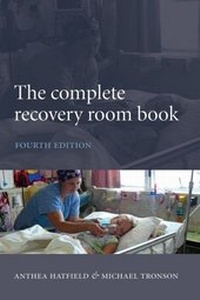
The Complete Recovery Room Book
4th Edition
Published on 27. November 2008
Book
Paperback/Softback
688 pages
978-0-19-923268-0 (ISBN)
Description
The care that a patient receives in the first hours after surgery is crucial to minimizing the risk of complications such as heart attacks, pneumonia, and blood clots. As the patient awakes from their drug-induced coma, it takes time for them to metabolize and excrete these drugs, during which period they remain unable to care for themselves, and at increased risk of harm. The body undergoes extreme physiological assault from pain, hypothermia, hypoxia, acid-base disturbance and shifts in blood volume. The recovery room staff must manage these symptoms in both comatose and physiologically unstable patients, and deal with the immediate post-operative care of surgical patients by attending to drips, drains and dressings. It is an environment where many skills and equipment are brought together, and successful development of these units has significantly reduced the number of deaths from preventable conditions. In helping the patient from the high pressure operating theatre to the wards, nurses, surgeons and anaesthetists will be required to manage day-to-day problems, but also make difficult decisions.Previous editions of this book have established it as the definitive guide to setting-up, equipping, staffing, and administering this acute care unit.
It includes basic science such as physiology and pharmacology, specific symptoms including pain and vomiting, and has chapters devoted to the unique post-operative needs of individual types of surgery. This new edition brings this important text up to date, including new material on risk management, administration and quality control; expanded sections on anaesthetic practice and infection prevention; and incorporating the recent developments in pain control, nausea and vomiting, care of children, pregnancy, and care of the cardiac patient.
It includes basic science such as physiology and pharmacology, specific symptoms including pain and vomiting, and has chapters devoted to the unique post-operative needs of individual types of surgery. This new edition brings this important text up to date, including new material on risk management, administration and quality control; expanded sections on anaesthetic practice and infection prevention; and incorporating the recent developments in pain control, nausea and vomiting, care of children, pregnancy, and care of the cardiac patient.
Reviews / Votes
The fact that Hatfield and Tronson's book is in its fourth edition is an indication of its success. Essential reading for healthcare professionals involved in post-operative care Nursing Standard This book covers all aspects of recovery room management and explains the relevant physiology and pharmacology for the better understanding of specific problems. The style and language is easy and consistent, as all the chapters are written by two experienced authors. British Journals of Anaesthesia An uncomplicated read without over-simplification. This is no mean feat... This book is a very useful reference source AfPPMore details
Edition
4th Revised edition
Language
English
Place of publication
Oxford
United Kingdom
Target group
College/higher education
Professional and scholarly
Edition type
Revised edition
Illustrations
83 black and white line illustrations
Dimensions
Height: 234 mm
Width: 155 mm
Thickness: 34 mm
Weight
1014 gr
ISBN-13
978-0-19-923268-0 (9780199232680)
Copyright in bibliographic data and cover images is held by Nielsen Book Services Limited or by the publishers or by their respective licensors: all rights reserved.
Schweitzer Classification
Other editions
Previous edition
Anthea Hatfield | Michael Tronson
The Complete Recovery Room Book
Book
04/2001
3rd Edition
Oxford University Press
€58.28
Article exhausted; check for reprint
Content
Golden rules ; 1. Recovery room routines ; 2. Recovery room procedures ; 3. Monitoring and equipment ; 4. Pain ; 5. Postoperative pain ; 6. Analgesics ; 7. Postoperative nausea and vomiting ; 8. Regional analgesia ; 9. Special problems ; 10. Pharmacology ; 11. Mothers and babies ; 12. Paediatrics ; 13. The elderly patient ; 14. Respiratory physiology ; 15. The respiratory system ; 16. Cardiovascular physiology ; 17. Cardiovascular disease ; 18. Cardiopulmonary resuscitation ; 19. Shock ; 20. Crisis management ; 21. The kidney ; 22. Fluid balance ; 23. Metabolism ; 24. Chronic disorders ; 25. The bleeding patient ; 26. Surgical issues ; 27. Infection control ; 28. Design of recovery room ; 29. Working with people ; 30. Working with facts ; Appendix 1: Trolley setups ; Appendix 2: Infusions ; Glossary ; Abbreviations ; Useful data