

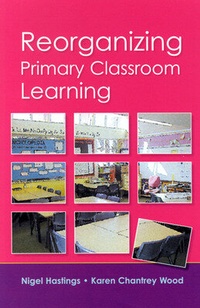
Reorganizing Primary Classroom Learning
Published on 16. September 2002
Book
Paperback/Softback
158 pages
978-0-335-20730-5 (ISBN)
Description
"This easily accessible book is likely to influence the practice of any teacher reading it, whether or not their pupils are already experienced at shifting the furniture!" Primary Practice
Classroom organization plays a greater role in children's learning than is generally recognized. Moreover, research studies of primary teaching have repeatedly shown that the way classrooms are usually organized makes learning unnecessarily difficult for most children. Re-organizing Primary Classroom Learning explains the evidence that should prompt primary schools to think again about the contexts in which children are expected to concentrate and learn.New ways of arranging classrooms are illustrated through case studies of teachers who take a flexible and strategic approach to the organization of learning. These demonstrate how children's attention and behaviour can benefit from creating a better match between working contexts and tasks. Suggestions and resources are provided to help teachers review how they and their children work, and to plan and evaluate ways of using their classrooms more effectively to support learning.
Re-organizing Primary Classroom Learning is written for primary teachers and headteachers who are curious and keen to improve the quality of children's learning and progress. It raises fundamental questions about accepted practice and offers realistic alternatives and encouragement to innovate.
Classroom organization plays a greater role in children's learning than is generally recognized. Moreover, research studies of primary teaching have repeatedly shown that the way classrooms are usually organized makes learning unnecessarily difficult for most children. Re-organizing Primary Classroom Learning explains the evidence that should prompt primary schools to think again about the contexts in which children are expected to concentrate and learn.New ways of arranging classrooms are illustrated through case studies of teachers who take a flexible and strategic approach to the organization of learning. These demonstrate how children's attention and behaviour can benefit from creating a better match between working contexts and tasks. Suggestions and resources are provided to help teachers review how they and their children work, and to plan and evaluate ways of using their classrooms more effectively to support learning.
Re-organizing Primary Classroom Learning is written for primary teachers and headteachers who are curious and keen to improve the quality of children's learning and progress. It raises fundamental questions about accepted practice and offers realistic alternatives and encouragement to innovate.
Reviews / Votes
"...focuses on school case studies of the arrangement of furniture and its impact on primary children's learning...a toolkit for approaching the issue at a school level." - TESMore details
Language
English
Place of publication
Milton Keynes
United Kingdom
Target group
College/higher education
Illustrations
references, index
Dimensions
Height: 228 mm
Width: 152 mm
Thickness: 9 mm
Weight
247 gr
ISBN-13
978-0-335-20730-5 (9780335207305)
Copyright in bibliographic data and cover images is held by Nielsen Book Services Limited or by the publishers or by their respective licensors: all rights reserved.
Schweitzer Classification
Persons
Nigel Hastings is Professor and Dean of Education at Nottingham Trent University.
Karen Chantrey Wood is an experienced lecturer in Early Childhood Education and currently divides her time between teaching and research in the Faculty of Education at Nottingham Trent University.
Karen Chantrey Wood is an experienced lecturer in Early Childhood Education and currently divides her time between teaching and research in the Faculty of Education at Nottingham Trent University.
Content
Introduction
Part one: Primary classroom organization rhetoric and research
Good practice and primary classroom organization
Does classroom organization matter?
Part two: Daring to be different: tales from the frontier
Case studies
Part three: Turning the tables?
Please take your seats
References
Index.
Part one: Primary classroom organization rhetoric and research
Good practice and primary classroom organization
Does classroom organization matter?
Part two: Daring to be different: tales from the frontier
Case studies
Part three: Turning the tables?
Please take your seats
References
Index.