

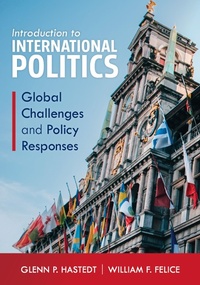
Introduction to International Politics
Global Challenges and Policy Responses
Published on 19. August 2019
Book
Paperback/Softback
408 pages
978-1-5381-0491-0 (ISBN)
Description
Introduction to International Politics makes systematic linkages between theory and policy that do not ignore or slight the conceptual discussion of international relations or simply chase newspaper headlines. Chapters are organized around "Global Challenges and Policy Responses." The challenges are presented as concrete policy problems relevant to the theme of the chapter. The discussion of responses emphasize concrete actions taken or proposed by international organizations, the foreign policies of key states, international agreements, and actions taken by NGOs. Theoretical insights are used to help students understand challenges, think about solutions, and learn from the past.
Based on a combined fifty years of classroom teaching, Hastedt and Felice possess the uncanny ability to boil down complex ideas and make them meaningful for students. Written in a style that is direct and accessible, Introduction to International Politics offers a concise foundation for any introductory-level student taking an international relations or world politics course.
The text offers students a full suite of pedagogical features and learning aids, including a box program consisting of Policy Spotlights, Theory Spotlights, and Regional Spotlights. Each chapter opens with a Historical Perspective case study of a policy challenge, and closes with a related Contemporary Perspectivecase study of a similar challenge. Chapter study aids include learning objective at the outset, with a list of key terms and critical thinking questions provided at the end.
A full suite of teaching and learning ancillaries include a companion website with self-study quizzes, a test bank, testing software, PowerPoint lecture slides that are WCAG 2.0-compliant, and an E-book with links to the companion website.
Based on a combined fifty years of classroom teaching, Hastedt and Felice possess the uncanny ability to boil down complex ideas and make them meaningful for students. Written in a style that is direct and accessible, Introduction to International Politics offers a concise foundation for any introductory-level student taking an international relations or world politics course.
The text offers students a full suite of pedagogical features and learning aids, including a box program consisting of Policy Spotlights, Theory Spotlights, and Regional Spotlights. Each chapter opens with a Historical Perspective case study of a policy challenge, and closes with a related Contemporary Perspectivecase study of a similar challenge. Chapter study aids include learning objective at the outset, with a list of key terms and critical thinking questions provided at the end.
A full suite of teaching and learning ancillaries include a companion website with self-study quizzes, a test bank, testing software, PowerPoint lecture slides that are WCAG 2.0-compliant, and an E-book with links to the companion website.
Reviews / Votes
"This is an effective framework. Most instructors want students to grow in terms of familiarity with the major contours and debates of international politics. They also typically seek to create better "citizens," or adults who can evaluate new situations and make informed voting and other choices based upon that assessment. The challenges and responses framework is a useful way to present that type of information alongside academic theories." -- Jacob Shively, University of West Florida "The strength of the book is its linkage of theory and policy. Too many IR books speak about abstract theories with little connection to empirical realities. Students become engaged when we teachers and our courses link theory and policy, especially policy choices and their consequences." -- Timothy J. White, Xavier University "The book offers a complete and comprehensive overview of the main actors and processes in the international system, presented in an engaging way for the modern college student." -- Leslie Baker, Mississippi State University "A real focus on current issues, grounded in actual theory and pedagogy. Lots and lots of real-world examples, used correctly. It discusses the major "-isms" without getting bogged down in them." -- Andrew Kirkpatrick, Christopher Newport University "Introduction to International Politics takes a classic approach to organizing the field with a focus on contemporary problems and challenges.... Terms seem well defined and examples are solid. It is nicely put together." -- Brian Urlacher, University of North Dakota "The overall framework is quite good and allows for a deeper engagement into the specific chapter topics." -- Austin TranthamMore details
Language
English
Place of publication
United States
Publishing group
Bloomsbury Publishing Plc
Target group
College/higher education
US School Grade: From College Freshman to College Senior
Product notice
Paperback (trade)
Illustrations
16 Maps
Dimensions
Height: 192 mm
Width: 235 mm
Thickness: 6 mm
Weight
106 gr
ISBN-13
978-1-5381-0491-0 (9781538104910)
Copyright in bibliographic data and cover images is held by Nielsen Book Services Limited or by the publishers or by their respective licensors: all rights reserved.
Schweitzer Classification
Other editions
Additional editions
Glenn P. Hastedt | William F. Felice
Introduction to International Politics
Global Challenges and Policy Responses
E-Book
08/2019
1st Edition
Rowman & Littlefield Publishers
€82.49
Available for download
Glenn P. Hastedt | William F. Felice
Introduction to International Politics
Global Challenges and Policy Responses
E-Book
08/2019
1st Edition
Bloomsbury eBooks US
€82.49
Available for download
Persons
Glenn P. Hastedt is professor and chair of the justice studies department at James Madison University. He is the author of twelve editions of American Foreign Policy: Past, Present, Future. Hastedt has served as coeditor of White House Studies and is on the editorial board of Intelligence and National Security.
William F. Felice is professor of political science at Eckerd College. He was named the 2006 Florida Professor of the Year by the Carnegie Foundation for the Advancement of Teaching. Felice is the author of The Ethics of Interdependence: Global Human Rights and Duties, The Global New Deal: Economic and Social Human Rights in World Politics, and numerous articles on the theory and practice of human rights.
William F. Felice is professor of political science at Eckerd College. He was named the 2006 Florida Professor of the Year by the Carnegie Foundation for the Advancement of Teaching. Felice is the author of The Ethics of Interdependence: Global Human Rights and Duties, The Global New Deal: Economic and Social Human Rights in World Politics, and numerous articles on the theory and practice of human rights.
Content
List of Figures, Tables, and Maps
Preface
About the Authors
Chapter 1: Thinking Critically About International Politics
Making Sense of International Politics
Korea Then and Now
Learning from Personal Experience
Learning from History
Learning from Theory
Using Challenges and Responses to Make Sense of International Politics
Summary/ Key Terms/ Critical Thinking Questions
Chapter 2: The Theory Challenge
Historical Perspective: The Fall of the Berlin Wall
Realism
Liberalism
Theory Spotlight: Prisoner's Dilemma
Economic Structuralism
Constructivism
Feminism
Applying Theory to the Arctic
Policy Spotlight: Fights, Games, Debates
Regional Spotlight: The Third Pole
A Contemporary Perspective: The Ukraine
Summary/ Key Terms/ Critical Thinking Questions
Chapter 3: The Sovereignty Challenge: Who Is in Charge in World Politics?
Historical Perspective: The Common Market to the European Union States
Policy Spotlight: When is a State a State?
International Organizations
Theory Spotlight: Integration Theory
Regional Spotlight: Association of Southeast Asian Nations (ASEAN)
Non-state Actors
Contemporary Perspective: Leaving the EU-Grexit and Brexit
Looking to the Future
Summary/ Key Terms/ Critical Thinking Questions
Chapter 4: The Values Challenge: Deciding What to Do
Historical Perspective: The Nansen Passport
International Politics Values
Theory Spotlight: The Global Community and Global Justice
A Two Level Game
Societal Influences on Foreign Policy Making
Global Influences on Foreign Policy Making
The Pathway from Ideas to Policy
Policy Spotlight: The Democratic Peace
Contemporary Perspective: The Refugee Flow into Europe
Regional Spotlight: Internally Displaced People in Africa
Looking to the Future
Summary/ Key Terms/ Critical Thinking Questions
Chapter 5: The Power Challenge: The Ability to Act
Historical Perspective: The Case for Strategic Bombing
Power and International Politics
Policy Spotlight: Why Strong States Lose War
Theory Spotlight: Measuring Soft Power
The Challenge of Using Power
Cyber Power
Instruments of Power
Regional Spotlight: China's Power
Contemporary Perspective: Armed Drones
Looking to the Future
Summary/ Key Terms/ Critical Thinking Questions
Chapter 6: The Cooperation Challenge: Working Together
Historical Perspective: Ebola in 1976 and 2000
The Dynamics of International Cooperation
Policy Spotlight: Negotiating with the Enemy
Alliances
Diplomacy
Theory Spotlight: Regimes and Regime Complexes
International Law
Regional Spotlight: The Oceans
Contemporary Perspective: Ebola in 2013
Looking to the Future
Summary/ Key Terms/ Critical Thinking Questions
Chapter 7: The Security Challenge
Historical Context: The Arab-Israeli Conflict
Peace and War/War and Peace
Theory Spotlight: Peace Studies
21st Century Wars
Regional Spotlight: The Colombian Civil War
Peace Operations
Nuclear Stability
Policy Spotlight: A New Arms Race?
Contemporary Perspective: Syria
Looking into the Future
Summary/ Key Terms/ Critical Thinking Questions
Chapter 8: Economic Challenges: Who Is in Charge of the Global Economy?
Historical Perspective: The North American Free Trade Agreement, 1994
The Challenge of Economic Globalization
Theories of International Political Economy and Economic Globalization
Regional Spotlight: China's Belt and Road Initiative
Theory Spotlight: Feminist International Political Economy
From the UN's Millennium Development Goals to the Sustainable Development Goals
Policy Spotlight: Eliminating Poverty in Mexico and Brazil
The United Nations 2030 Agenda for Sustainable Development
Contemporary Perspective: The North American Free Trade Agreement, 2019
Looking to the Future: Controlling Speculative Capital and Excessive Military Spending
Summary/ Key Terms/ Critical Thinking Questions
Chapter 9: Human Rights Challenges: Protecting Human Dignity
Historical Perspective: The Nuremberg War Crimes Tribunal, 1945-1946
The Global Roots of Human Rights
From Westphalia to the U.N. Human Rights System
Regional Spotlight: Genocide or Ethnic Cleansing in Myanmar? Is there a difference or does it matter?
Policy Spotlight: The Global Struggle for LGBT Rights
Contemporary Perspective: The International Criminal Court, 1998-2019
Looking to the Future: The United States, China and the U.N. Human Rights System
Theory Spotlight: Cultural Relativism versus Universality
Summary / Key Terms/ Critical Thinking Questions
Chapter 10: Global Environmental Challenges: The Global Commons
Historical Perspective: Global Environmental Governance 1870-1992
Global Environmental Challenges: Climate Change, Overfishing, Species Extinction
Policy Spotlight: Is a Carbon Tax a Viable Policy Option?
Regional Spotlight: The Antarctica Treaty Regime
Theory Spotlight: Human Rights & Environment
Contemporary Perspective: Global Environmental Governance, 2002-2019
Looking to the Future: The Potential Environmental Impact of Trade and the Precautionary Principle
Summary / Key Terms/ Critical Thinking Questions
Chapter 11: Looking Forward: New Policy Challenges and Responses
Trade Wars
Creating Images of the Future
Global Trends 2035
Future Foundations of International Politics
New Actors in the Future International System
New Traditional Challenges
New Global Challenges
Summary/ Key Terms/ Critical Thinking Questions
Glossary
Notes
Index
Preface
About the Authors
Chapter 1: Thinking Critically About International Politics
Making Sense of International Politics
Korea Then and Now
Learning from Personal Experience
Learning from History
Learning from Theory
Using Challenges and Responses to Make Sense of International Politics
Summary/ Key Terms/ Critical Thinking Questions
Chapter 2: The Theory Challenge
Historical Perspective: The Fall of the Berlin Wall
Realism
Liberalism
Theory Spotlight: Prisoner's Dilemma
Economic Structuralism
Constructivism
Feminism
Applying Theory to the Arctic
Policy Spotlight: Fights, Games, Debates
Regional Spotlight: The Third Pole
A Contemporary Perspective: The Ukraine
Summary/ Key Terms/ Critical Thinking Questions
Chapter 3: The Sovereignty Challenge: Who Is in Charge in World Politics?
Historical Perspective: The Common Market to the European Union States
Policy Spotlight: When is a State a State?
International Organizations
Theory Spotlight: Integration Theory
Regional Spotlight: Association of Southeast Asian Nations (ASEAN)
Non-state Actors
Contemporary Perspective: Leaving the EU-Grexit and Brexit
Looking to the Future
Summary/ Key Terms/ Critical Thinking Questions
Chapter 4: The Values Challenge: Deciding What to Do
Historical Perspective: The Nansen Passport
International Politics Values
Theory Spotlight: The Global Community and Global Justice
A Two Level Game
Societal Influences on Foreign Policy Making
Global Influences on Foreign Policy Making
The Pathway from Ideas to Policy
Policy Spotlight: The Democratic Peace
Contemporary Perspective: The Refugee Flow into Europe
Regional Spotlight: Internally Displaced People in Africa
Looking to the Future
Summary/ Key Terms/ Critical Thinking Questions
Chapter 5: The Power Challenge: The Ability to Act
Historical Perspective: The Case for Strategic Bombing
Power and International Politics
Policy Spotlight: Why Strong States Lose War
Theory Spotlight: Measuring Soft Power
The Challenge of Using Power
Cyber Power
Instruments of Power
Regional Spotlight: China's Power
Contemporary Perspective: Armed Drones
Looking to the Future
Summary/ Key Terms/ Critical Thinking Questions
Chapter 6: The Cooperation Challenge: Working Together
Historical Perspective: Ebola in 1976 and 2000
The Dynamics of International Cooperation
Policy Spotlight: Negotiating with the Enemy
Alliances
Diplomacy
Theory Spotlight: Regimes and Regime Complexes
International Law
Regional Spotlight: The Oceans
Contemporary Perspective: Ebola in 2013
Looking to the Future
Summary/ Key Terms/ Critical Thinking Questions
Chapter 7: The Security Challenge
Historical Context: The Arab-Israeli Conflict
Peace and War/War and Peace
Theory Spotlight: Peace Studies
21st Century Wars
Regional Spotlight: The Colombian Civil War
Peace Operations
Nuclear Stability
Policy Spotlight: A New Arms Race?
Contemporary Perspective: Syria
Looking into the Future
Summary/ Key Terms/ Critical Thinking Questions
Chapter 8: Economic Challenges: Who Is in Charge of the Global Economy?
Historical Perspective: The North American Free Trade Agreement, 1994
The Challenge of Economic Globalization
Theories of International Political Economy and Economic Globalization
Regional Spotlight: China's Belt and Road Initiative
Theory Spotlight: Feminist International Political Economy
From the UN's Millennium Development Goals to the Sustainable Development Goals
Policy Spotlight: Eliminating Poverty in Mexico and Brazil
The United Nations 2030 Agenda for Sustainable Development
Contemporary Perspective: The North American Free Trade Agreement, 2019
Looking to the Future: Controlling Speculative Capital and Excessive Military Spending
Summary/ Key Terms/ Critical Thinking Questions
Chapter 9: Human Rights Challenges: Protecting Human Dignity
Historical Perspective: The Nuremberg War Crimes Tribunal, 1945-1946
The Global Roots of Human Rights
From Westphalia to the U.N. Human Rights System
Regional Spotlight: Genocide or Ethnic Cleansing in Myanmar? Is there a difference or does it matter?
Policy Spotlight: The Global Struggle for LGBT Rights
Contemporary Perspective: The International Criminal Court, 1998-2019
Looking to the Future: The United States, China and the U.N. Human Rights System
Theory Spotlight: Cultural Relativism versus Universality
Summary / Key Terms/ Critical Thinking Questions
Chapter 10: Global Environmental Challenges: The Global Commons
Historical Perspective: Global Environmental Governance 1870-1992
Global Environmental Challenges: Climate Change, Overfishing, Species Extinction
Policy Spotlight: Is a Carbon Tax a Viable Policy Option?
Regional Spotlight: The Antarctica Treaty Regime
Theory Spotlight: Human Rights & Environment
Contemporary Perspective: Global Environmental Governance, 2002-2019
Looking to the Future: The Potential Environmental Impact of Trade and the Precautionary Principle
Summary / Key Terms/ Critical Thinking Questions
Chapter 11: Looking Forward: New Policy Challenges and Responses
Trade Wars
Creating Images of the Future
Global Trends 2035
Future Foundations of International Politics
New Actors in the Future International System
New Traditional Challenges
New Global Challenges
Summary/ Key Terms/ Critical Thinking Questions
Glossary
Notes
Index