

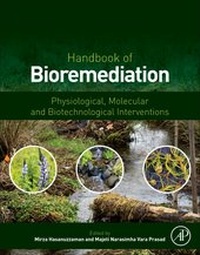
Handbook of Bioremediation
Physiological, Molecular and Biotechnological Interventions
Published on 19. October 2020
Book
Paperback/Softback
764 pages
978-0-12-819382-2 (ISBN)
Description
Handbook of Bioremediation: Physiological, Molecular and Biotechnological Interventions discusses the mechanisms of responding to inorganic and organic pollutants in the environment using different approaches of phytoremediation and bioremediation. Part One focuses specifically on inorganic pollutants and the use of techniques such as metallothionein-assisted remediation, phytoextraction and genetic manipulation. Part Two covers organic pollutants and consider topics such as plant enzymes, antioxidant defense systems and the remediation mechanisms of different plant species. This comprehensive volume is a must-read for researchers interested in plant science, agriculture, soil science and environmental science.
The techniques covered in this book will ensure scientists have the knowledge to practice effective bioremediation techniques themselves.
The techniques covered in this book will ensure scientists have the knowledge to practice effective bioremediation techniques themselves.
More details
Language
English
Place of publication
San Diego
United States
Publishing group
Elsevier Science Publishing Co Inc
Target group
Professional and scholarly
Researchers and students interested in plant science, agriculture, soil science and environmental science
Illustrations
Approx. 110 illustrations (70 in full color)
Dimensions
Height: 276 mm
Width: 216 mm
Weight
2080 gr
ISBN-13
978-0-12-819382-2 (9780128193822)
Copyright in bibliographic data and cover images is held by Nielsen Book Services Limited or by the publishers or by their respective licensors: all rights reserved.
Schweitzer Classification
Other editions
Additional editions
Mirza Hasanuzzaman | Majeti Narasimha Vara Prasad
Handbook of Bioremediation
Physiological, Molecular and Biotechnological Interventions
E-Book
10/2020
Academic Press
€220.00
Available for download
Persons
Dr. Mirza Hasanuzzaman is Professor of Agronomy at Sher-e-Bangla Agricultural University in Dhaka. He is a specialist in agronomy, plant stress responses, and crop physiology. His current work is focused on the physiological and molecular mechanisms of environmental stress tolerance (salinity, drought, flood, and heavy metals/metalloids). Dr. Hasanuzzaman has published over 60 articles in peer-reviewed journals. He has edited six books and written 30 book chapters on important aspects of plant physiology, plant stress tolerance, and crop production. Dr. Prasad is Emeritus Professor, School of Life Sciences, University of Hyderabad (India). He has made outstanding contributions to the fields of bioremediation, bioresources, biomass energy sources, bioeconomy, and to the broad field of environmental biotechnology, all of which are his main areas of expertise. Dr. Prasad has served the Government of India's Ministry of Environment, Forests and Climate Change as a member of various advisory committees on biodiversity conservation, ecosystem services, pollution control and abatement, environmental information systems and bioremediation of contaminated sites. He is an active visiting scientist for several international universities.
Content
1. Concept and types of bioremediation
2. The use of industrial and food crops for the rehabilitation of areas contaminated with metal(loid)s: Physiological and molecular mechanisms of tolerance
3. Mechanistic overview of metal tolerance in edible plants: A physiological and molecular perspective
4. Phytoextraction of heavy metals by weeds: Physiological and molecular intervention
5. Phytomanagement of As-contaminated matrix: Physiological and molecular B asses
6. Metallothionein-assisted phytoremediation of inorganic pollutants
7. Phytochelatins and their relationship with modulation of cadmium tolerance in plants
8. Role of glutathione in enhancing metal hyperaccumulation in plants
9. Thiol-dependent metal hyperaccumulation and tolerance in plants
10. Role of redox system in enhancement of phytoremediation capacity in plants
11. Role of reactive nitrogen species in enhancing metal/metalloid tolerance in plants: A basis of phytoremediation
12. The antioxidant defense system and bioremediation
13. Interplay between selenium and mineral elements to improve plant growth and development
14. Physiological basis of arsenic accumulation in aquatic plants
15. Alteration of plant physiology by the application of biochar for remediation of metals
16. Plant-microbe interaction: Relevance for phytoremediation of heavy metals
17. Molecular and cellular changes of arbuscular mycorrhizal fungi-plant interaction in cadmium contamination
18. Potential use of efficient resistant plant growth promoting rhizobacteria in biofertilization and phytoremediation of heavy metal contaminated soil
19. Ecological and physiological features of metal accumulation of halophytic plants on the White Sea coast
20. Role of secondary metabolites in salt and heavy metal stress mitigation by halophytic plants: An overview
21. Genetics of metal hyperaccumulation in plants
22. Gene regulation in halophytes in conferring salt tolerance
23. Recent advances toward exploiting medicinal plants as phytoremediators
24. Can plants be considered as phytoremediators for desalination of saline wastewater: A comprehensive review
25. Genomics in understanding bioremediation of inorganic pollutants
26. Genetic engineering of plants to tolerate toxic metals and metalloids
27. Metal-binding proteins and peptides in bioremediation and phytoremediation of heavy metals
28. Physiological and molecular basis of bioremediation of micropollutants
29. Plant enzymes in metabolism of organic pollutants
30. Alteration of plant physiology by the application of biochar for remediation of organic pollutants
31. Role of reactive nitrogen species in mitigating organic pollutant-induced plant damages
32. Antioxidant defense systems in bioremediation of organic pollutants
33. Role of glutathione in enhancing plant tolerance to organic pollutants
34. Physiological and molecular basis for remediation of polyaromatic hydrocarbons
35. Physiological and molecular basis for remediation of pesticides
36. Environmental concerns associated with explosives (HMX, TNT, and RDX), heavy metals and metal(loid)s from shooting range soils: Prevailing issues, leading management practices, and future perspectives
37. Physiological and molecular basis of plants tolerance to linear halogenated hydrocarbons
38. Molecular basis of plant-microbe interaction in remediating organic pollutants
39. Microbial degradation of organic pollutants using indigenous bacterial strains
40. Molecular basis of plant-microbe interaction in remediating pesticides
41. Molecular and cellular changes of arbuscular mycorrhizal fungi-plant interaction in pesticide contamination
42. Biodegradation of explosives by transgenic plants
43. Polychlorinated biphenyls (PCBs): Characteristics, toxicity, phytoremediation, and use of transgenic plants for PCBs degradation
44. Remediation of organic pollutants by Brassica species
45. Bioremediation of organic contaminants based on biowaste composting practices
46. Bioremediation of organic dyes using plants
2. The use of industrial and food crops for the rehabilitation of areas contaminated with metal(loid)s: Physiological and molecular mechanisms of tolerance
3. Mechanistic overview of metal tolerance in edible plants: A physiological and molecular perspective
4. Phytoextraction of heavy metals by weeds: Physiological and molecular intervention
5. Phytomanagement of As-contaminated matrix: Physiological and molecular B asses
6. Metallothionein-assisted phytoremediation of inorganic pollutants
7. Phytochelatins and their relationship with modulation of cadmium tolerance in plants
8. Role of glutathione in enhancing metal hyperaccumulation in plants
9. Thiol-dependent metal hyperaccumulation and tolerance in plants
10. Role of redox system in enhancement of phytoremediation capacity in plants
11. Role of reactive nitrogen species in enhancing metal/metalloid tolerance in plants: A basis of phytoremediation
12. The antioxidant defense system and bioremediation
13. Interplay between selenium and mineral elements to improve plant growth and development
14. Physiological basis of arsenic accumulation in aquatic plants
15. Alteration of plant physiology by the application of biochar for remediation of metals
16. Plant-microbe interaction: Relevance for phytoremediation of heavy metals
17. Molecular and cellular changes of arbuscular mycorrhizal fungi-plant interaction in cadmium contamination
18. Potential use of efficient resistant plant growth promoting rhizobacteria in biofertilization and phytoremediation of heavy metal contaminated soil
19. Ecological and physiological features of metal accumulation of halophytic plants on the White Sea coast
20. Role of secondary metabolites in salt and heavy metal stress mitigation by halophytic plants: An overview
21. Genetics of metal hyperaccumulation in plants
22. Gene regulation in halophytes in conferring salt tolerance
23. Recent advances toward exploiting medicinal plants as phytoremediators
24. Can plants be considered as phytoremediators for desalination of saline wastewater: A comprehensive review
25. Genomics in understanding bioremediation of inorganic pollutants
26. Genetic engineering of plants to tolerate toxic metals and metalloids
27. Metal-binding proteins and peptides in bioremediation and phytoremediation of heavy metals
28. Physiological and molecular basis of bioremediation of micropollutants
29. Plant enzymes in metabolism of organic pollutants
30. Alteration of plant physiology by the application of biochar for remediation of organic pollutants
31. Role of reactive nitrogen species in mitigating organic pollutant-induced plant damages
32. Antioxidant defense systems in bioremediation of organic pollutants
33. Role of glutathione in enhancing plant tolerance to organic pollutants
34. Physiological and molecular basis for remediation of polyaromatic hydrocarbons
35. Physiological and molecular basis for remediation of pesticides
36. Environmental concerns associated with explosives (HMX, TNT, and RDX), heavy metals and metal(loid)s from shooting range soils: Prevailing issues, leading management practices, and future perspectives
37. Physiological and molecular basis of plants tolerance to linear halogenated hydrocarbons
38. Molecular basis of plant-microbe interaction in remediating organic pollutants
39. Microbial degradation of organic pollutants using indigenous bacterial strains
40. Molecular basis of plant-microbe interaction in remediating pesticides
41. Molecular and cellular changes of arbuscular mycorrhizal fungi-plant interaction in pesticide contamination
42. Biodegradation of explosives by transgenic plants
43. Polychlorinated biphenyls (PCBs): Characteristics, toxicity, phytoremediation, and use of transgenic plants for PCBs degradation
44. Remediation of organic pollutants by Brassica species
45. Bioremediation of organic contaminants based on biowaste composting practices
46. Bioremediation of organic dyes using plants