

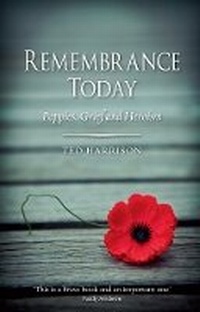
Remembrance Today
Poppies, Grief and Heroism
Published on 1. September 2012
Book
Hardback
256 pages
978-1-78023-044-3 (ISBN)
Description
Every nation has its own way of remembering those killed in conflict. Each November Remembrance follows a seemingly unchanging pattern. Millions of people wear poppies, and at war memorials around the world a period of silence is observed. Today young people are taught that through Remembrance we thank those who have given their lives to defend liberty and freedom. But when poppy wearing began after the First World War it had rather a different purpose. The flowers of Flanders Field were worn in grief and as an expression of hope that war would never happen again.
Remembrance Today poses questions that need to be answered. What does it mean to be heroic? What, in the context of military service, does glory mean? But most fundamental of all - what is the purpose of Remembrance? If Remembrance does not serve as a warning against conflict, and if it is not a reminder to peoples to rededicate themselves to peace, then Remembrance is futile. This book is a urgent examination of how and why our notions of heroism, of duty and of grief have become confused over time and calls for a refocusing of Remembrance that will return us to its original purpose.
Remembrance Today poses questions that need to be answered. What does it mean to be heroic? What, in the context of military service, does glory mean? But most fundamental of all - what is the purpose of Remembrance? If Remembrance does not serve as a warning against conflict, and if it is not a reminder to peoples to rededicate themselves to peace, then Remembrance is futile. This book is a urgent examination of how and why our notions of heroism, of duty and of grief have become confused over time and calls for a refocusing of Remembrance that will return us to its original purpose.
Reviews / Votes
Not everyone will agree with Ted Harrisons book, and some will find it downright uncomfortable. But it asks questions that should be asked and provides answers which are thoughtful and impressive . . . This is a brave book and an important one for those who understand that the primary drivers of war are not weapons but the minds of men. * Paddy Ashdown * While the literature on the celebration of Armistice Day and the building of war memorials in the age of total war is vast, little has been written about remembrance today in the aftermath of the wars in Iraq and Afghanistan. Ted Harrisons thought-provoking, and in many ways provocative, book fills a significant gap in our knowledge of the contemporary culture of remembrance. Remembrance Today represents a forceful intervention in the debate about how we should remember our war dead in the 21st century. * Dr Stefan Goebel, author of <i>The Great War and Medieval Memory</i> * This is a stimulating and thought-provoking meditation on remembrance, which makes brave and strongly argued suggestions for ways in which more varied meanings could be restored to our annual rituals. * Dan Todman, author of <i>The Great War: Myth and Memory</i> *More details
Language
English
Place of publication
London
United Kingdom
Dimensions
Height: 138 mm
Width: 216 mm
ISBN-13
978-1-78023-044-3 (9781780230443)
Copyright in bibliographic data and cover images is held by Nielsen Book Services Limited or by the publishers or by their respective licensors: all rights reserved.
Schweitzer Classification
Other editions
Additional editions
E-Book
02/2013
Reaktion Books
€22.99
Available for download
Person
Ted Harrison is an author, artist, TV producer and journalist. In 2011 his art installation Innocence Betrayed: Remembrance Day was unveiled in St Paul's Cathedral. He has reported for various BBC Radio 4 News and Current Affairs programmes, including Today, World at One, PM and World Tonight, and is the author of many books including Diana: Myth and Reality and Remembrance Today: Poppies, Grief and Heroism (Reaktion, 2012), and produced the award-winning BBC documentary Elvis and the Presleytarians with the late John Peel.