

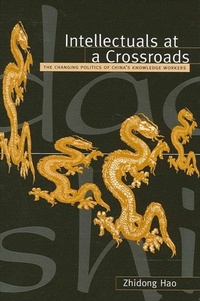
Intellectuals at a Crossroads
The Changing Politics of China's Knowledge Workers
Published on 28. August 2003
Book
Paperback/Softback
526 pages
978-0-7914-5580-7 (ISBN)
Description
A survey of contemporary Chinese intellectuals.
Zhidong Hao's fascinating book, Intellectuals at a Crossroads, examines groups of contemporary Chinese intellectuals, their successes, failures, identity contradictions, and ethical dilemmas. Three categories of intellectuals are studied: organic intellectuals who serve specific interests, from government and business to working class movements; critical intellectuals who defy authority with continued social criticism; and "unattached" intellectuals who are fast being professionalized. Using a historical-comparative approach enhanced with demographic and rare interview data, the book bridges the traditional with the modern and the Chinese with the foreign by exploring how these intellectuals are adapting to their roles and influencing political, economic, and social change in the "new" China.
Zhidong Hao's fascinating book, Intellectuals at a Crossroads, examines groups of contemporary Chinese intellectuals, their successes, failures, identity contradictions, and ethical dilemmas. Three categories of intellectuals are studied: organic intellectuals who serve specific interests, from government and business to working class movements; critical intellectuals who defy authority with continued social criticism; and "unattached" intellectuals who are fast being professionalized. Using a historical-comparative approach enhanced with demographic and rare interview data, the book bridges the traditional with the modern and the Chinese with the foreign by exploring how these intellectuals are adapting to their roles and influencing political, economic, and social change in the "new" China.
More details
Series
Language
English
Place of publication
Albany, NY
United States
Target group
College/higher education
US School Grade: College Graduate Student and over
Product notice
Paperback (trade)
Dimensions
Height: 230 mm
Width: 148 mm
Thickness: 28 mm
Weight
680 gr
ISBN-13
978-0-7914-5580-7 (9780791455807)
Copyright in bibliographic data and cover images is held by Nielsen Book Services Limited or by the publishers or by their respective licensors: all rights reserved.
Schweitzer Classification
Other editions
Additional editions
E-Book
02/2012
State University of New York Press
€41.49
Available for download
Person
Zhidong Hao is Assistant Professor of Sociology at Whittier College.
Content
List of Tables and Figures
List of Abbreviations
Foreword by Merle Goldman
Preface
Acknowledgments
1. Introduction: Toward a Political Sociology of China's Intellectuals
Four Types of Intellectuals and Four Political Roles
The Ideological Foundations of Intellectuals' Political Roles
Ethical Dilemmas Facing Intellectuals
The Chinese Intellectual: A Typology
Conclusions
2. From Uniformity to Fragmentation: Intellectuals in the Mao Era (1949-1976) and in the First Deng Period (1977-1989)
A High Degree of Uniformity with Limited Resistance: The Mao Era (1949-1976)
The Beginnings of Fragmentation: First Period of the Deng Era (1977-1989)
Conclusions
3. Critical Intellectuals
The Social Environment after 1989
The Critical Intellectual Discourses
The Democracy Movement
Other Social Critics: Some Examples
Conclusions: the Politics of Critical Intellectuals
4. Bourgeoisified and Professionalized Intellectuals
The Bourgeoisification of Intellectuals
The Professionalization of Intellectuals
5. Social Class and Organic Intellectuals
Class and Class Structure in Formation
Organic Intellectuals
Conclusions: Contradictory Class Locations of Organic Intellectuals
6. Intellectuals as a Class
Are Intellectuals a Class?
Chinese Intellectuals as a Class
The Elitist Flaw of the Intellectual Class
Conclusions
7. Summary and Conclusion: The Future of China's Intellectuals
The Changing Politics of China's Knowledge Workers
The Future of China's Intellectuals
Appendix: A Note on the Concept of the Intellectual
Transition from Literati to Intellectuals: The Chinese Story
Transition from Philosophers to Intellectuals: The Western Story
Definitions of the Modern Intellectual
Notes
Bibliography
Index of Chinese Names and Phrases
Subject and Name Index
List of Abbreviations
Foreword by Merle Goldman
Preface
Acknowledgments
1. Introduction: Toward a Political Sociology of China's Intellectuals
Four Types of Intellectuals and Four Political Roles
The Ideological Foundations of Intellectuals' Political Roles
Ethical Dilemmas Facing Intellectuals
The Chinese Intellectual: A Typology
Conclusions
2. From Uniformity to Fragmentation: Intellectuals in the Mao Era (1949-1976) and in the First Deng Period (1977-1989)
A High Degree of Uniformity with Limited Resistance: The Mao Era (1949-1976)
The Beginnings of Fragmentation: First Period of the Deng Era (1977-1989)
Conclusions
3. Critical Intellectuals
The Social Environment after 1989
The Critical Intellectual Discourses
The Democracy Movement
Other Social Critics: Some Examples
Conclusions: the Politics of Critical Intellectuals
4. Bourgeoisified and Professionalized Intellectuals
The Bourgeoisification of Intellectuals
The Professionalization of Intellectuals
5. Social Class and Organic Intellectuals
Class and Class Structure in Formation
Organic Intellectuals
Conclusions: Contradictory Class Locations of Organic Intellectuals
6. Intellectuals as a Class
Are Intellectuals a Class?
Chinese Intellectuals as a Class
The Elitist Flaw of the Intellectual Class
Conclusions
7. Summary and Conclusion: The Future of China's Intellectuals
The Changing Politics of China's Knowledge Workers
The Future of China's Intellectuals
Appendix: A Note on the Concept of the Intellectual
Transition from Literati to Intellectuals: The Chinese Story
Transition from Philosophers to Intellectuals: The Western Story
Definitions of the Modern Intellectual
Notes
Bibliography
Index of Chinese Names and Phrases
Subject and Name Index