

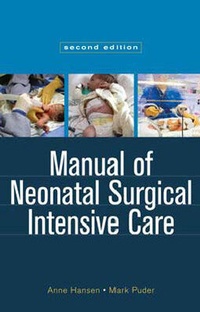
Manual of Neonatal Surgical Intensive Care
2nd Edition
Published on 16. August 2009
Book
Paperback/Softback
646 pages
978-1-60795-002-8 (ISBN)
Description
The Manual of Surgical Neonatal Intensive Care addresses the interdisciplinary area of perioperative management of newborns with surgical conditions. These babies generally spend less than a day in the operating room, but require weeks, or even months of complex pre and post operative care that spans medical and surgical areas of expertise. Though many textbooks and manuals address the strictlty medical or surgical management of newborns, relatively little has been written about issues that cross medical and surgical specialties. Information in this manual will be useful to clinicians to using working knowledge gained by clinicians
More details
Edition
2nd edition
Language
English
Place of publication
Shelton
United States
Dimensions
Height: 161 mm
Width: 105 mm
Thickness: 23 mm
ISBN-13
978-1-60795-002-8 (9781607950028)
Copyright in bibliographic data and cover images is held by Nielsen Book Services Limited or by the publishers or by their respective licensors: all rights reserved.
Schweitzer Classification
Persons
Anne Hansen, MD, MPHMedical DirectorNeonatal Intensive Care UnitChildren's HospitalHarvard Medical SchoolBoston, MassachusettsMark Puder, MDAssociate in Surgery,Children's Hospital &Harvard Medical SchoolBoston, Massachusetts
Content
1: General Considerations
1.1: Medical Considerations
1.2: Respiratory Management
1.3: Differential Diagnosis according to Presenting Symptom
1.4: Vascular Access
2: Surgical Considerations
2.1: Differential Diagnosis by Presenting Symptom
3: The Fetus
4: Otolaryngology, Head and Neck Surgery
4.1: Laryngeal and Tracheal Anomalies
4.2: Nasal Anomalies
5: Cleft Lip-Palate and Robin Sequence
6: Cardiovascular Disorder
6.1: Patent Ductus Arteriosus
6.2: Vascular Rings
6.3: Vascular Anomalies
7: Respitatory Disorders
7.1: Esophageal Atresia and Tracheoesophageal Fistula
7.2: Congential Diaphragmatic Hernia and Diaphragmatic Eventration
7.3: Pneumothorax and Air Leak
7.4: Chylothorax
7.5: Thoracic Mass Lesions
8: Gastrointestinal Disorders
8.1: Gastroschisis
8.2: Omphalocele
8.3: Necrotizing Enterocolitis
8.4: bstruction
8.5: Gastointestinal Bleeding
8.6: Short-Bowel Syndrome
8.7: Inguinal Hernia
8.8: Umbilical Hernia
8.6: Short Bowel Syndrome
8.7: Inguinal Hernia
8.9: Feeding Tubes
8.10: Gastro-Intestinal Reflux
8.11: Ostomy Diversions and Management
9: Genitourinary Disorders
9.1: Obstruction of the Urinary Tract, including Hydronephrosis
9.2: Renal Venous Thrombosis
9.3: Multicystic Dysplastic Kidney
9.4: Polycystic Kidney Disease
9.5: Bladder Exstrophy
9.6: Cloacal Exstrophy
9.7: Urolithiasis in Neonates
9.8: Dialysis/Catheters
9.9: Neurogenic Bladder Dysfunction in the Newborn
9.10: Testicular Torsion
9.11: Circumcision
10: Neurologic Disorders
10.1: Neonatal Hydrocephalus
10.2: Myelodysplasia
11: Retinopathy of Prematurity
12: Intravenous Extravasation Injuries
13: Orthopaedic Considerations
14: Genetic Considerations
15: Anesthesiology
15.1: Anesthesia for Neonatal Surgical Emergencies
15.2: Pain Assessment and Management
16: Health Maintenance/Discharge Planning
1.1: Medical Considerations
1.2: Respiratory Management
1.3: Differential Diagnosis according to Presenting Symptom
1.4: Vascular Access
2: Surgical Considerations
2.1: Differential Diagnosis by Presenting Symptom
3: The Fetus
4: Otolaryngology, Head and Neck Surgery
4.1: Laryngeal and Tracheal Anomalies
4.2: Nasal Anomalies
5: Cleft Lip-Palate and Robin Sequence
6: Cardiovascular Disorder
6.1: Patent Ductus Arteriosus
6.2: Vascular Rings
6.3: Vascular Anomalies
7: Respitatory Disorders
7.1: Esophageal Atresia and Tracheoesophageal Fistula
7.2: Congential Diaphragmatic Hernia and Diaphragmatic Eventration
7.3: Pneumothorax and Air Leak
7.4: Chylothorax
7.5: Thoracic Mass Lesions
8: Gastrointestinal Disorders
8.1: Gastroschisis
8.2: Omphalocele
8.3: Necrotizing Enterocolitis
8.4: bstruction
8.5: Gastointestinal Bleeding
8.6: Short-Bowel Syndrome
8.7: Inguinal Hernia
8.8: Umbilical Hernia
8.6: Short Bowel Syndrome
8.7: Inguinal Hernia
8.9: Feeding Tubes
8.10: Gastro-Intestinal Reflux
8.11: Ostomy Diversions and Management
9: Genitourinary Disorders
9.1: Obstruction of the Urinary Tract, including Hydronephrosis
9.2: Renal Venous Thrombosis
9.3: Multicystic Dysplastic Kidney
9.4: Polycystic Kidney Disease
9.5: Bladder Exstrophy
9.6: Cloacal Exstrophy
9.7: Urolithiasis in Neonates
9.8: Dialysis/Catheters
9.9: Neurogenic Bladder Dysfunction in the Newborn
9.10: Testicular Torsion
9.11: Circumcision
10: Neurologic Disorders
10.1: Neonatal Hydrocephalus
10.2: Myelodysplasia
11: Retinopathy of Prematurity
12: Intravenous Extravasation Injuries
13: Orthopaedic Considerations
14: Genetic Considerations
15: Anesthesiology
15.1: Anesthesia for Neonatal Surgical Emergencies
15.2: Pain Assessment and Management
16: Health Maintenance/Discharge Planning