

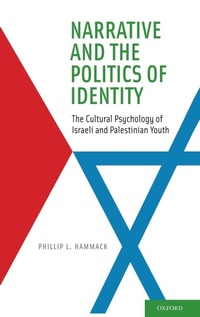
Narrative and the Politics of Identity
The Cultural Psychology of Israeli and Palestinian Youth
1st Edition
Published on 3. February 2011
Book
Hardback
424 pages
978-0-19-539446-7 (ISBN)
Description
Since the late nineteenth century, Jews and Arabs have been locked in an intractable battle for national recognition in a land of tremendous historical and geopolitical significance. While historians and political scientists have long analyzed the dynamics of this bitter conflict, rarely has an archeology of the mind of those who reside within the matrix of conflict been attempted. This book not only offers a psychological analysis of the consequences of conflict for the psyche, it develops an innovative, compelling, and cross-disciplinary argument about the mutual constitution of culture and mind through the process of life-story construction. But the book pushes boundaries further through an analysis of two peace education programs designed to fundamentally alter the nature of young Israeli and Palestinian life stories. Hammack argues that these popular interventions, rooted in the idea of prejudice reduction through contact and the cultivation of 'cosmopolitan' identities, are fundamentally flawed due to their refusal to deal with the actual political reality of young Israeli and Palestinian lives and their attempt to construct an alternative narrative of great hope but little resonance for Israelis and Palestinians. Grounded in over a century of literature that spans the social sciences, Hammack's analysis of young Israeli and Palestinian lives captures the complex, dynamic relationship among politics, history, and identity and offers a provocative and audacious proposal for psychology and peace education.
Reviews / Votes
"With his energy, eloquence, and insight, Phillip Hammack is one of the most promising young scholars in the study of human development. It takes great courage and integrity to enter two of the most oppositional cultural milieus in the world and manage to maintain the confidence of both sides. This book is an unparalleled, invaluable account of the identities, motivations, struggles, and pain of Israeli and Palestinian youth." -- Jeffrey Jensen Arnett,Research Professor, Department of Psychology, Clark University, and author of Emerging Adulthood: The Winding Road from the Late Teens Through the Twenties
"Hammack's book is a risky undertaking that has been masterfully executed. The book carefully crosses disciplinary borders, helping us widen our understanding of social phenomena at the individual and group levels, and pays special attention to the intricate connections between individual psychology and social structure as these are mediated through action. Hammack is clear about his commitment to get involved as a scientist in bettering the world and refuses
to fall into our traditional illusory vision of science and politics as mutually exclusive." -- Zvi Bekerman, School of Education, Melton Center, Hebrew University of Jerusalem
"This book marks the emergence of a brilliant new voice in cultural psychology. Phillip Hammack tells the stories of Palestinian and Israeli youth and shows how the master narratives that comprise their respective cultures shape personal identity and give meaning to individual lives, even as they perpetuate a deadly conflict of global significance. As a social scientist, Hammack offers an intellectual tour de force, filled with surprising theoretical insights
and interpretations. And as a storyteller, he engages us on a profoundly emotional level." -- Dan P. McAdams, Chair, Department of Psychology, Northwestern University, and author of The Redemptive
Self: Stories Americans Live By
"This is a compelling, beautifully written, and nuanced study of Israeli, Arab-Israeli, and Palestinian youth. Hammack's study poses important policy questions and makes a major contribution to the study of adolescent psychological development, the politics of identity, and theories of narrative." -- Bertram J. Cohler, William Rainey Harper Professor, University of Chicago
"Dr. Hammack paints an engaging canvas of how 'cultures' are contested from within, using narratives of Israeli and Palestinian youth inhabiting a place of vast social and political complexity. This volume represents supreme scholarship; it is ambitious, historically informed, impeccably researched, and profound in its implications." -- Per F. Gjerde, Professor of Psychology, University of California, Santa Cruz
"This brilliant book by an erudite psychologist is about the impact of group conflict on personal identity formation. This book forces us to recognize that well-intended person-to-person encounters between Israeli and Palestinian adolescents are not likely to produce love and understanding." -- Richard A. Shweder, William Claude Reavis Distinguished Service Professor of Human Development, University of Chicago
"Phillip Hammack is also interested in social identity but he is equally concerned with personal identity, the sort of identity postulated by Erik Erikson in the mid-20th century as a developmental outcome of adolescence. Personal, or ego, identity has been studied ever
since in the form of various neo-Eriksonian theories and research programs within the field of developmental psychology (Moshman, 2007, 2011a). Identities are both individual and social, in Hammack's view, thus connecting levels of explanation. The concept of identity
bridges the individualistic explanations of psychology and the social and cultural explanations of the social sciences." -- Journal of Applied Developmental Psychology
"This is a compelling and important book, of interest to a large number of researchers in psychology, politics, sociology, and anthropology, as well as practitioners involved in peace education. Hammack defines himself a "scholar-practitioner." The book illustrates what he means. As a scholar, he sheds light on the complex relation between the personal and the structural and makes a passionate call for contextualized, evidence-based theory development." --
Theory & Psychology
More details
Language
English
Place of publication
New York
United States
Target group
College/higher education
Professional and scholarly
Dimensions
Height: 240 mm
Width: 161 mm
Thickness: 27 mm
Weight
801 gr
ISBN-13
978-0-19-539446-7 (9780195394467)
Copyright in bibliographic data and cover images is held by Nielsen Book Services Limited or by the publishers or by their respective licensors: all rights reserved.
Schweitzer Classification
Other editions
Additional editions
Phillip L. Hammack
Narrative and the Politics of Identity
The Cultural Psychology of Israeli and Palestinian Youth
E-Book
12/2010
1st Edition
OUP eBook
€27.49
Available for download
Phillip L. Hammack
Narrative and the Politics of Identity
The Cultural Psychology of Israeli and Palestinian Youth
E-Book
12/2010
1st Edition
OUP eBook
€27.49
Available for download
Person
Philip L. Hammack, Assistant Professor, Department of Psychology, University of California, Santa Cruz
Content
CONTENTS
Preface
PART 1. Orientations
A Note on Geographic Terminology
Prologue
Chapter 1. Culture, Identity, and Story: A Framework for the Study of Lives
I. Preliminary Provocations
II. Capturing Culture
III. Interrogating Identity
IV. The Cultural Psychology of Identity
V. Experimenting with Identity
VI. The Cosmopolitan Ideal
VII. Identity as Burden or Benefit?
VIII. Politicizing Psychology, Psychologizing Politics
IX. An Orientation
Chapter 2. A "Stranger" in the Holy Land
I. A Position
II. A Personal Narrative
III. Approaching the Study of Lives
IV. The Politics of the Field
V. Field Sites in Israel and Palestine
Jerusalem
Ramallah
Qadas
Beit Jala and Bethlehem
Tulkarm and Nablus
Tel Aviv
Taybeh
Haifa
The Gilboa
VI. Field Sites in the United States
Seeds of Peace
Hands of Peace
VII. The Interviewees
VIII. The Interview Procedure
IX. Analytic Strategy
PART 2. Stories
Chapter 3. "Jewish in My Blood": Stories of Jewish Israeli Youth
I. The Master Narrative of Jewish Israeli Identity
An Introduction
Contestations
Theme 1: Persecution and Victimization
Theme 2: Existential Insecurity
Theme 3: Exceptionalism
Theme 4: Delegitimization of Palestinian Identity
Summary
II. The Stories of Youth
Yossi: The Ambivalent Pragmatist
Noa: The Kibbutznik
Roai: The Settler
Ayelet: The Cosmopolitan
III. Summary: The Cultural Psychology of Jewish Israeli Youth
Chapter 4. "It's Not a Normal Life We Lead": Stories of Palestinian Youth
I. The Master Narrative of Palestinian Identity
An Introduction
Contestations
Theme 1: Loss and Dispossession
Theme 2: Resistance
Theme 3: Existential Insecurity
Theme 4: Delegitimization of Israeli Identity
Summary
II. The Stories of Youth
Ali: The Unlikely Islamist
Adara: The Pious Villager
Luca: The Christian Fighter
Lubna: The Survivor
III. Summary: The Cultural Psychology of Palestinian Youth
Chapter 5. "I Had a War with Myself": Palestinian-Israeli Youth and the Narration of Hyphenated Identities
I. The Master Narrative of Palestinian-Israeli Identity
Theme 1: Discrimination and Subordination
Theme 2: Hyphenation and "Double Marginality"
Theme 3: Existential Insecurity
Summary: The Palestinian-Israeli Master Narrative
II. The Stories of Youth
"I am Israeli First": The Story of Jibril
"I Had a War with Myself": The Story of Rania
"I am Divided between the Two": The Story of Sami
III. Summary: The Cultural Psychology of Palestinian-Israeli Youth
PART 3. Interventions
Chapter 6. Peace and the Politics of Contact: A Brief History
I. Contact: The Allure and the Challenge
II. The Pathology of Prejudice
III. The Normative Psychology of Prejudice
IV. From Personality to Identity
V. Identity and the Cultural Psychology of Contact
VI. The Idea of Israeli-Palestinian Contact
VII. Contact, Narrative, and Identity
Chapter 7. Re-Storying Self and Other: An American Experiment
I. The Synagogue and the Mosque
II. Identity Transcendence
"I Had Never Even Spoken to an Arab": The Story of Liat
"I Have Been Changed a Lot": The Story of Laila
"Maybe They are the Victim, the Real Victim": The Story of Noa
Summary: The Problem of Transcendence
III. Identity Accentuation
The Fatalist: The Story of Mohammed
The Settler: Revisiting the Story of Roai
The New Palestinian: Revisiting the Story of Jibril
IV. From Transcendence to Accentuation: An Analysis of Two Narratives over Time
The Cosmopolitan: Revisiting the Story of Ayelet
The Realist: Revisiting the Story of Laila
V. Conclusion: Contact and Identity
PART 4. Possibilities
Chapter 8. Peace, Justice, and the Politics of Identity: Toward a New Praxis
I. A Virtual Dialogue
II. Ambitious Arguments
III. Narrative and the Psychological Infrastructure of Conflict
IV. Against Cosmopolitanism
American Intervention as a "Civilizing" Project
The Problem of Power and Social Structure
The Meaning of Contact
V. What's Wrong with Identity?
VI. Psychology and the Politics of a New Praxis: From Interpretation to Social Change
Undisciplining the Discipline
Politicizing Peace Psychology
Peril and Promise in Israeli and Palestinian Lives
References
Preface
PART 1. Orientations
A Note on Geographic Terminology
Prologue
Chapter 1. Culture, Identity, and Story: A Framework for the Study of Lives
I. Preliminary Provocations
II. Capturing Culture
III. Interrogating Identity
IV. The Cultural Psychology of Identity
V. Experimenting with Identity
VI. The Cosmopolitan Ideal
VII. Identity as Burden or Benefit?
VIII. Politicizing Psychology, Psychologizing Politics
IX. An Orientation
Chapter 2. A "Stranger" in the Holy Land
I. A Position
II. A Personal Narrative
III. Approaching the Study of Lives
IV. The Politics of the Field
V. Field Sites in Israel and Palestine
Jerusalem
Ramallah
Qadas
Beit Jala and Bethlehem
Tulkarm and Nablus
Tel Aviv
Taybeh
Haifa
The Gilboa
VI. Field Sites in the United States
Seeds of Peace
Hands of Peace
VII. The Interviewees
VIII. The Interview Procedure
IX. Analytic Strategy
PART 2. Stories
Chapter 3. "Jewish in My Blood": Stories of Jewish Israeli Youth
I. The Master Narrative of Jewish Israeli Identity
An Introduction
Contestations
Theme 1: Persecution and Victimization
Theme 2: Existential Insecurity
Theme 3: Exceptionalism
Theme 4: Delegitimization of Palestinian Identity
Summary
II. The Stories of Youth
Yossi: The Ambivalent Pragmatist
Noa: The Kibbutznik
Roai: The Settler
Ayelet: The Cosmopolitan
III. Summary: The Cultural Psychology of Jewish Israeli Youth
Chapter 4. "It's Not a Normal Life We Lead": Stories of Palestinian Youth
I. The Master Narrative of Palestinian Identity
An Introduction
Contestations
Theme 1: Loss and Dispossession
Theme 2: Resistance
Theme 3: Existential Insecurity
Theme 4: Delegitimization of Israeli Identity
Summary
II. The Stories of Youth
Ali: The Unlikely Islamist
Adara: The Pious Villager
Luca: The Christian Fighter
Lubna: The Survivor
III. Summary: The Cultural Psychology of Palestinian Youth
Chapter 5. "I Had a War with Myself": Palestinian-Israeli Youth and the Narration of Hyphenated Identities
I. The Master Narrative of Palestinian-Israeli Identity
Theme 1: Discrimination and Subordination
Theme 2: Hyphenation and "Double Marginality"
Theme 3: Existential Insecurity
Summary: The Palestinian-Israeli Master Narrative
II. The Stories of Youth
"I am Israeli First": The Story of Jibril
"I Had a War with Myself": The Story of Rania
"I am Divided between the Two": The Story of Sami
III. Summary: The Cultural Psychology of Palestinian-Israeli Youth
PART 3. Interventions
Chapter 6. Peace and the Politics of Contact: A Brief History
I. Contact: The Allure and the Challenge
II. The Pathology of Prejudice
III. The Normative Psychology of Prejudice
IV. From Personality to Identity
V. Identity and the Cultural Psychology of Contact
VI. The Idea of Israeli-Palestinian Contact
VII. Contact, Narrative, and Identity
Chapter 7. Re-Storying Self and Other: An American Experiment
I. The Synagogue and the Mosque
II. Identity Transcendence
"I Had Never Even Spoken to an Arab": The Story of Liat
"I Have Been Changed a Lot": The Story of Laila
"Maybe They are the Victim, the Real Victim": The Story of Noa
Summary: The Problem of Transcendence
III. Identity Accentuation
The Fatalist: The Story of Mohammed
The Settler: Revisiting the Story of Roai
The New Palestinian: Revisiting the Story of Jibril
IV. From Transcendence to Accentuation: An Analysis of Two Narratives over Time
The Cosmopolitan: Revisiting the Story of Ayelet
The Realist: Revisiting the Story of Laila
V. Conclusion: Contact and Identity
PART 4. Possibilities
Chapter 8. Peace, Justice, and the Politics of Identity: Toward a New Praxis
I. A Virtual Dialogue
II. Ambitious Arguments
III. Narrative and the Psychological Infrastructure of Conflict
IV. Against Cosmopolitanism
American Intervention as a "Civilizing" Project
The Problem of Power and Social Structure
The Meaning of Contact
V. What's Wrong with Identity?
VI. Psychology and the Politics of a New Praxis: From Interpretation to Social Change
Undisciplining the Discipline
Politicizing Peace Psychology
Peril and Promise in Israeli and Palestinian Lives
References