

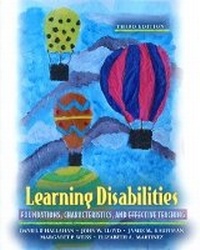
Learning Disabilities
Foundations, Characteristics, and Effective Teaching
3rd Edition
Published on 2. June 2004
Book
Hardback
608 pages
978-0-205-38867-7 (ISBN)
Description
Already the most impeccably accurate, up-to-the-minute and research-based text on the market, this new edition now gives the reader plenty of classroom context and practical instructional guidance. It includes the latest information on the characteristics of persons with learning disabilities, the causes of learning disabilities, and the most reliable educational interventions for students with LD.
Students will enjoy reading this clearly written, well-organized text, which strikes a perfect balance between foundational information and practical tools that educators can readily use with students. As in previous editions, the most important research and trends in the field are emphasized continually. The Third Edition has been reorganized to include new chapters on eligibility, ADHD, and inclusive practices.
Students will enjoy reading this clearly written, well-organized text, which strikes a perfect balance between foundational information and practical tools that educators can readily use with students. As in previous editions, the most important research and trends in the field are emphasized continually. The Third Edition has been reorganized to include new chapters on eligibility, ADHD, and inclusive practices.
More details
Edition
3rd edition
Language
English
Place of publication
United States
Publishing group
Pearson Education (US)
Target group
Professional and scholarly
Dimensions
Height: 244 mm
Width: 196 mm
Thickness: 27 mm
Weight
1100 gr
ISBN-13
978-0-205-38867-7 (9780205388677)
Copyright in bibliographic data and cover images is held by Nielsen Book Services Limited or by the publishers or by their respective licensors: all rights reserved.
Schweitzer Classification
Other editions
Previous edition
Daniel P. Hallahan | James M. Kauffman | John W. Lloyd
Introduction to Learning Disabilities
Book
09/1998
2nd Edition
Pearson
€80.65
Article exhausted; check for reprint
Content
1. Basic Concepts.
What Are Individuals with Learning Disabilities Like?
Why Is It Important to Understand Learning Disabilities?
Why Are Learning Disabilities Controversial?
How Many People Have Learning Disabilities?
Who Works with People Who Have Learning Disabilities.
Can Learning Disabilities Be Overcome?
2. Causes of Learning Disabilities.
What Causes Learning Disabilities?
How Does the Brain Function?
How Can We Infer Neurological Dysfunction?
What Factors Contribute to Neurological Dysfunction?
What Factors Should Educators Keep in Mind Regarding Causes?
3. Eligibilty.
What Laws Govern the Delivery of Special Education?
How Is Special Education Defined?
How is Learning Disability Defined in IDEA?
What is the Traditional Eligibility Process?
What is an Alternative Eligibility Process?
What is the Individualized Education Program?
4. Parents and Families.
How Have Professionals' Views of Parents Changed?
What Treatment Models Are Used with Families?
What Are Some Current Trends in American Family Life?
What is the Family's Role?
How Can Communication be Enhanced between the Family and Professionals?
5. Prevention and Intervention in Early Childhood.
How Can Learning Disabilities Be Prevented?
How Are Learning Disabilities Identified in Infancy and Early Childhood?
How Is Early Childhood Intervention Provided?
What Are Some Trends in Early Childhood Education?
6. Transition Programming in Adolescence and Adulthood.
What Are Learning Disability Outcomes Across the Life Span?
What Transition Programs and Services are Available?
How Are Students with Learning Disabilities Prepared for College?
How Can Students with Learning Disabilities Succeed in College?
How can Students with Learning Disabilities Prepare for the Work World?
How Can Employers Encourage Success for Adults with Learning Disabilities?
How Can Employees with Learning Disabilities Succeed in the Workplace?
7. Social, Emotional, and Behavioral Problems.
What is the Link between Learning Disabilities and Social, Emotional, and Behavioral Problems?
What Are The Major Causes of Social, Emotional, and Behavioral Problems?
How Should We Address the Characteristics of Social, Emotional, and Behavioral Problems?
What Are The Main Educational Methods Used for Social, Emotional, and Behavioral Problems?
What Is The New Medical Model?
8. Cognition, Metacognition, and Memory in Students with Learning Disabilities.
Has Self-Regulation Always Been of Interest?
How Can We Explain Learning and Memory?
What Do We Know about the Learning and Memory of Students with Learning Disabilities?
How Can Learning, Memory, and Motivation Needs Be Addressed?
9. Attention Deficit Hyperactivity Disorder.
What Are The Links Between Learning Disabilities and Attention Problems?
What Are The Historical Origins of ADHD?
What is Today's Definition of ADHD?
What is the Prevalence of ADHD?
How Is ADHD Assessed?
What Are the Behavioral Characteristics of Persons with ADHD?
What Is the Role of Medication for Persons with ADHD?
10. Educational Approaches.
What Conceptual Models Have Been Described?
Why Is it Important for Teachers to Know What Research Says About Effective Practices?
How Are Educational Approaches Different, and How Are They Similar?
11. Students Who Experience Difficulties with Spoken Language.
What Is Communication?
Are Language Problems Common in Learning Disabilities?
How Does One Study Language?
Major Elements of Language and Their Development.
Characteristics of students with Learning Disabilities in Spoken Language.
How are Spoken Language Abilities Assessed?
How Can Oral Language Problems be Addressed?
12. Students Who Experience Difficulties with Reading.
What is Reading?
What Are the Major Elements of Reading?
What Problems Do Students with Learning Disabilities Have in Reading?
How Is Reading Performance Assessed?
How Common Are Reading Problems in Learning Disabilities?
How Can Instruction Help Prevent Reading Disabilities?
How Can Instruction Help Remediate Learning Disabilities in Reading.
13. Students Who Experience Difficulties with Writing.
What Handwriting Problems do Students Experience?
How Is Handwriting Performance Assessed.
What Interventions Can Help with Handwriting Difficulties?
What Spelling Problems Do Students Experience?
How Is Spelling Performance Assessed?
What Interventions Help Students' Spelling Difficulties?
What Composition Problems Do Students Experience?
How Is Composition Performance Assessed?
What Interventions Help Students with Composition Difficulties?
14. Students Who Experience Difficulties with Mathematics.
How Does Mathematical Knowledge Develop Normally?
What Problems in Mathematics Do Students Experience?
How Are Mathematics Abilities Assessed?
What Interventions Help Students with Mathematics Difficulties?
15. Participation in General Education Classrooms for Students with Learning Disabilities.
Legal Mandates for Placement.
How Do Students with LD Receive Special Education Services in General Education Classrooms?
How Can Placement and Instructional Decisions Be Made?
What Are Modifications for Students with Learning Disabilities in General Education?
What Are Effective Instructional Practices for Students with Learning Disabilities in General Education Classrooms?
What Are Individuals with Learning Disabilities Like?
Why Is It Important to Understand Learning Disabilities?
Why Are Learning Disabilities Controversial?
How Many People Have Learning Disabilities?
Who Works with People Who Have Learning Disabilities.
Can Learning Disabilities Be Overcome?
2. Causes of Learning Disabilities.
What Causes Learning Disabilities?
How Does the Brain Function?
How Can We Infer Neurological Dysfunction?
What Factors Contribute to Neurological Dysfunction?
What Factors Should Educators Keep in Mind Regarding Causes?
3. Eligibilty.
What Laws Govern the Delivery of Special Education?
How Is Special Education Defined?
How is Learning Disability Defined in IDEA?
What is the Traditional Eligibility Process?
What is an Alternative Eligibility Process?
What is the Individualized Education Program?
4. Parents and Families.
How Have Professionals' Views of Parents Changed?
What Treatment Models Are Used with Families?
What Are Some Current Trends in American Family Life?
What is the Family's Role?
How Can Communication be Enhanced between the Family and Professionals?
5. Prevention and Intervention in Early Childhood.
How Can Learning Disabilities Be Prevented?
How Are Learning Disabilities Identified in Infancy and Early Childhood?
How Is Early Childhood Intervention Provided?
What Are Some Trends in Early Childhood Education?
6. Transition Programming in Adolescence and Adulthood.
What Are Learning Disability Outcomes Across the Life Span?
What Transition Programs and Services are Available?
How Are Students with Learning Disabilities Prepared for College?
How Can Students with Learning Disabilities Succeed in College?
How can Students with Learning Disabilities Prepare for the Work World?
How Can Employers Encourage Success for Adults with Learning Disabilities?
How Can Employees with Learning Disabilities Succeed in the Workplace?
7. Social, Emotional, and Behavioral Problems.
What is the Link between Learning Disabilities and Social, Emotional, and Behavioral Problems?
What Are The Major Causes of Social, Emotional, and Behavioral Problems?
How Should We Address the Characteristics of Social, Emotional, and Behavioral Problems?
What Are The Main Educational Methods Used for Social, Emotional, and Behavioral Problems?
What Is The New Medical Model?
8. Cognition, Metacognition, and Memory in Students with Learning Disabilities.
Has Self-Regulation Always Been of Interest?
How Can We Explain Learning and Memory?
What Do We Know about the Learning and Memory of Students with Learning Disabilities?
How Can Learning, Memory, and Motivation Needs Be Addressed?
9. Attention Deficit Hyperactivity Disorder.
What Are The Links Between Learning Disabilities and Attention Problems?
What Are The Historical Origins of ADHD?
What is Today's Definition of ADHD?
What is the Prevalence of ADHD?
How Is ADHD Assessed?
What Are the Behavioral Characteristics of Persons with ADHD?
What Is the Role of Medication for Persons with ADHD?
10. Educational Approaches.
What Conceptual Models Have Been Described?
Why Is it Important for Teachers to Know What Research Says About Effective Practices?
How Are Educational Approaches Different, and How Are They Similar?
11. Students Who Experience Difficulties with Spoken Language.
What Is Communication?
Are Language Problems Common in Learning Disabilities?
How Does One Study Language?
Major Elements of Language and Their Development.
Characteristics of students with Learning Disabilities in Spoken Language.
How are Spoken Language Abilities Assessed?
How Can Oral Language Problems be Addressed?
12. Students Who Experience Difficulties with Reading.
What is Reading?
What Are the Major Elements of Reading?
What Problems Do Students with Learning Disabilities Have in Reading?
How Is Reading Performance Assessed?
How Common Are Reading Problems in Learning Disabilities?
How Can Instruction Help Prevent Reading Disabilities?
How Can Instruction Help Remediate Learning Disabilities in Reading.
13. Students Who Experience Difficulties with Writing.
What Handwriting Problems do Students Experience?
How Is Handwriting Performance Assessed.
What Interventions Can Help with Handwriting Difficulties?
What Spelling Problems Do Students Experience?
How Is Spelling Performance Assessed?
What Interventions Help Students' Spelling Difficulties?
What Composition Problems Do Students Experience?
How Is Composition Performance Assessed?
What Interventions Help Students with Composition Difficulties?
14. Students Who Experience Difficulties with Mathematics.
How Does Mathematical Knowledge Develop Normally?
What Problems in Mathematics Do Students Experience?
How Are Mathematics Abilities Assessed?
What Interventions Help Students with Mathematics Difficulties?
15. Participation in General Education Classrooms for Students with Learning Disabilities.
Legal Mandates for Placement.
How Do Students with LD Receive Special Education Services in General Education Classrooms?
How Can Placement and Instructional Decisions Be Made?
What Are Modifications for Students with Learning Disabilities in General Education?
What Are Effective Instructional Practices for Students with Learning Disabilities in General Education Classrooms?