

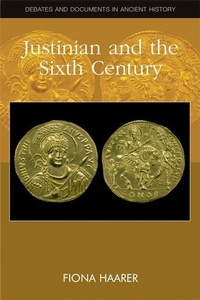
Justinian
Empire and Society in the Sixth Century
Published on 17. January 2022
Book
Hardback
224 pages
978-0-7486-3677-8 (ISBN)
Description
The Emperor Justinian had a long and influential reign, from AD 527 to 565, in which he dominated the sixth-century. This was an important period in the transition between the classical and Byzantine worlds, and one which saw significant territorial changes and religious developments. Many of Justinian's other reforms, such as those in the governance of the empire and his codification of its laws, also had a long-lasting influence.
The first section of this book outlines the current questions we are asking about Justinian today. Five chapters explore his rise to power and the role of the colourful Theodora, foreign policy on the eastern frontier and the recovery of the western provinces, religious policy and governance of the empire. The sixth chapter considers the role of culture and society in the sixth century.
Justinian's reign is documented through a wide range of contemporary written sources, as well as numismatic and epigraphic evidence and images of the imperial couple. The second section contains over eighty examples of these records, including English translations of the sources and images of coins and other objects.
The first section of this book outlines the current questions we are asking about Justinian today. Five chapters explore his rise to power and the role of the colourful Theodora, foreign policy on the eastern frontier and the recovery of the western provinces, religious policy and governance of the empire. The sixth chapter considers the role of culture and society in the sixth century.
Justinian's reign is documented through a wide range of contemporary written sources, as well as numismatic and epigraphic evidence and images of the imperial couple. The second section contains over eighty examples of these records, including English translations of the sources and images of coins and other objects.
Reviews / Votes
Haarer has produced a remarkable piece of scholarship, impeccably thorough in its review of both evidence and scholarly literature, written with a lively and accessible style and worthy of gracing the shelves of any scholar of late antiquity -- Shane Bjornlie, Claremont McKenna College * Bryn Mawr Classical Review * [...] as an introduction to the political, military and religious activities of one of the most important periods of Late Antiquity, this book is to be warmly recommended. -- Andy Merrills, University of Leicester * Medieval Archaeology * There is nothing on Justinian quite like Haarer's book. For such a complicated emperor and his long reign, it provides a new starting point for all students, novices and veterans alike. Not only will they find a self-contained narrative highlighting modern research questions and developments, but also a comprehensive repertoire of documents and photographs. -- Brian Croke, Honorary Associate of Classics and Ancient History, University of Sydney Fiona Haarer provides an engaging guide to a reign which is both crucially important and notoriously hard to understand, partly because the abundant sources are so widely different in scope and purpose. Offering an illuminating collection of extracts, and presenting with exemplary clarity the wide range of scholarly opinions, this book will empower students and others to form their own assessment. -- Professor Charlotte Roueche, Department of Classics/Centre for Hellenic Studies, King's College Fiona Haarer's achievement is remarkable: she has distilled the vast body of research that exists on Justinian into an accessible and well-written book, equipped with a wide array of extracts from relevant sources in translation. Her work will undoubtedly become the standard textbook for any course on the sixth century A.D. or Justinian. -- Professor Geoffrey Greatrex, Dept. of Classics and Religious Studies, University of OttowaMore details
Series
Language
English
Place of publication
Edinburgh
United Kingdom
Target group
Professional and scholarly
Product notice
sewn/stitched
Cloth over boards
Illustrations
32 black and white illustrations, 6 black and white maps
Dimensions
Height: 234 mm
Width: 156 mm
Thickness: 18 mm
Weight
594 gr
ISBN-13
978-0-7486-3677-8 (9780748636778)
Copyright in bibliographic data and cover images is held by Nielsen Book Services Limited or by the publishers or by their respective licensors: all rights reserved.
Schweitzer Classification
Other editions
Person
Fiona Haarer is a Visiting Fellow and teaches Ancient Greek at King's College London. Her research focuses on the history, literature and culture of the fifth and sixth centuries and she is the author of The Emperor Anastasius I: Politics and Empire in the Late Roman World (2006).
Content
Series Editors' PrefacePrefaceAcknowledgementsAbbreviationsMaps
Part I Debates
Introduction: Discovering Justinian - Sources and Scholarship
1. Rise to Power
2. Conflict and Diplomacy on the Eastern Frontier
3. The Wars of Reconquest
4. Church and State
5. Governing the Empire
6. Culture and Society
Conclusion: Longevity and Legacy
Part II Documents
1. Collectio Avellana 147
2. Anonymus Valesianus 85-7
3. Marcellinus Comes 521
4. Diptych announcing the consulship of Justinian, 521
5. Greek Anthology I.10, On the Church of the Holy Martyr Polyeuktos, lines 14-33, 42-50
6. Church of SS Sergius and Bacchus inscription
7. Procopius, Secret History 9.20-2
8. John of Ephesus, Lives of the Eastern Saints 13
9. Cassiodorus, Variae X.20
10. Procopius, Buildings I.9.5-10
11. C.J. I.5.12.4-10
12. Gold coin of Justin and Justinian, 527
13. Procopius, Wars I.24.33-7
14. Menander the Guardsman, fragment 6.1
15. C.J. I.29.5
16. The Chronicle of Pseudo-Zachariah Rhetor, IX.8a
17. Procopius, Wars I.14.45-54
18. Malalas, Chronicle 477-8
19. Procopius, Secret History 24.12-14
20. Evagrius, Ecclesiastical History IV.27
21. Agathias, The Histories IV.30.7-10
22. John of Ephesus, Church History 3.4.6-9
23. Procopius, Wars VIII.17.1-8
24. Procopius, Wars IV.6.30-4
25. John the Lydian, de Magistratibus III.55
26. Corippus, In laudem Iustini minoris 1.276-87
27. Victor of Tonnena, Chronicon 534
28. Procopius, Buildings I.10.16-18
29. C.J. I.27.1, 12-14
30. Procopius, Secret History 18.5-10
31. Inscription from Ain Djelloula (Cululis)
32. Cyril of Scythopolis, Life of St Sabas 74
33. Novel 37, preface, 1, 534. Facundus of Hermiane, In Defence of the Three Chapters, preface
35. Procopius, Wars VII.37.1-736. Epistulae Austrasicae XX
37. Procopius, Wars III.2.1-6
38. Cassiodorus, Variae XI.139. Pope Pelagius, Letters 4 and 85
40. Novels, Appendix 7: Pragmatic Sanction, 554
41. Procopius, Secret History 11.5-8
42. Procopius, Wars II.4.4-11
43. Novel 11, preface, 4
44. Agathias, The Histories V.13.5-6
45. Agathias, The Histories V.15.7-8
46. Theophanes am 6050
47. Isidore, History of the Goths 47
48. The Chronicle of Pseudo-Zachariah Rhetor, IX.15j
49. C.J. I.1.6 and Chronicon Paschale 533
50. 'Only-begotten Son' troparion
51. Victor of Tonnena, Chronicon 540
52. Novel 42, preface
53. Victor of Tonnena, Chronicon 543
54. Evagrius, Ecclesiastical History IV.38
55. Cyril of Scythopolis, Life of St Sabas 85
56. Justinian, On the Orthodox Faith
57. Evagrius, Ecclesiastical History IV.39
58. Agapetus, Advice to the Emperor Justinian
59. Novel 131, preface, 1-4
60. Pseudo-Dionysius of Tel-Mahre, Chronicle 844
61. Pseudo-Dionysius of Tel-Mahre, Chronicle 845
62. Cyril of Scythopolis, Life of St Sabas 72
63. Evagrius, Ecclesiastical History IV.10
64. Institutes, preface
65. Novel 25, preface
66. Novel 47, preface
67. Justinian, the first dated copper coin, ad 538
68. Novel 38, preface
69. Evagrius, Ecclesiastical History IV.2970. Procopius, Secret History 17.5
71. Romanos, Kontakion 54, 14-25
72. Paul the Silentiary, Ekphrasis of Hagia Sophia, lines 1-80
73. Procopius, Buildings I.2.1-12
74. Procopius, Buildings V.8.4-9
75. Procopius, Buildings I.11.10-15
76. Greek Anthology IX.641
77. C.J. I.5.18.4
78. C.J. I.11.10
79. Agathias, The Histories II.30.3-4
80. Pseudo-Dionysius of Tel-Mahre, Chronicle 852
81. Choricius, Oratio XIII, preface, 10-16
82. Greek Anthology I.8
ChronologyPopes and PatriarchsGlossaryFurther ReadingEssay Questions and Exercise TopicsPrimary SourcesBibliographyIndex
Part I Debates
Introduction: Discovering Justinian - Sources and Scholarship
1. Rise to Power
2. Conflict and Diplomacy on the Eastern Frontier
3. The Wars of Reconquest
4. Church and State
5. Governing the Empire
6. Culture and Society
Conclusion: Longevity and Legacy
Part II Documents
1. Collectio Avellana 147
2. Anonymus Valesianus 85-7
3. Marcellinus Comes 521
4. Diptych announcing the consulship of Justinian, 521
5. Greek Anthology I.10, On the Church of the Holy Martyr Polyeuktos, lines 14-33, 42-50
6. Church of SS Sergius and Bacchus inscription
7. Procopius, Secret History 9.20-2
8. John of Ephesus, Lives of the Eastern Saints 13
9. Cassiodorus, Variae X.20
10. Procopius, Buildings I.9.5-10
11. C.J. I.5.12.4-10
12. Gold coin of Justin and Justinian, 527
13. Procopius, Wars I.24.33-7
14. Menander the Guardsman, fragment 6.1
15. C.J. I.29.5
16. The Chronicle of Pseudo-Zachariah Rhetor, IX.8a
17. Procopius, Wars I.14.45-54
18. Malalas, Chronicle 477-8
19. Procopius, Secret History 24.12-14
20. Evagrius, Ecclesiastical History IV.27
21. Agathias, The Histories IV.30.7-10
22. John of Ephesus, Church History 3.4.6-9
23. Procopius, Wars VIII.17.1-8
24. Procopius, Wars IV.6.30-4
25. John the Lydian, de Magistratibus III.55
26. Corippus, In laudem Iustini minoris 1.276-87
27. Victor of Tonnena, Chronicon 534
28. Procopius, Buildings I.10.16-18
29. C.J. I.27.1, 12-14
30. Procopius, Secret History 18.5-10
31. Inscription from Ain Djelloula (Cululis)
32. Cyril of Scythopolis, Life of St Sabas 74
33. Novel 37, preface, 1, 534. Facundus of Hermiane, In Defence of the Three Chapters, preface
35. Procopius, Wars VII.37.1-736. Epistulae Austrasicae XX
37. Procopius, Wars III.2.1-6
38. Cassiodorus, Variae XI.139. Pope Pelagius, Letters 4 and 85
40. Novels, Appendix 7: Pragmatic Sanction, 554
41. Procopius, Secret History 11.5-8
42. Procopius, Wars II.4.4-11
43. Novel 11, preface, 4
44. Agathias, The Histories V.13.5-6
45. Agathias, The Histories V.15.7-8
46. Theophanes am 6050
47. Isidore, History of the Goths 47
48. The Chronicle of Pseudo-Zachariah Rhetor, IX.15j
49. C.J. I.1.6 and Chronicon Paschale 533
50. 'Only-begotten Son' troparion
51. Victor of Tonnena, Chronicon 540
52. Novel 42, preface
53. Victor of Tonnena, Chronicon 543
54. Evagrius, Ecclesiastical History IV.38
55. Cyril of Scythopolis, Life of St Sabas 85
56. Justinian, On the Orthodox Faith
57. Evagrius, Ecclesiastical History IV.39
58. Agapetus, Advice to the Emperor Justinian
59. Novel 131, preface, 1-4
60. Pseudo-Dionysius of Tel-Mahre, Chronicle 844
61. Pseudo-Dionysius of Tel-Mahre, Chronicle 845
62. Cyril of Scythopolis, Life of St Sabas 72
63. Evagrius, Ecclesiastical History IV.10
64. Institutes, preface
65. Novel 25, preface
66. Novel 47, preface
67. Justinian, the first dated copper coin, ad 538
68. Novel 38, preface
69. Evagrius, Ecclesiastical History IV.2970. Procopius, Secret History 17.5
71. Romanos, Kontakion 54, 14-25
72. Paul the Silentiary, Ekphrasis of Hagia Sophia, lines 1-80
73. Procopius, Buildings I.2.1-12
74. Procopius, Buildings V.8.4-9
75. Procopius, Buildings I.11.10-15
76. Greek Anthology IX.641
77. C.J. I.5.18.4
78. C.J. I.11.10
79. Agathias, The Histories II.30.3-4
80. Pseudo-Dionysius of Tel-Mahre, Chronicle 852
81. Choricius, Oratio XIII, preface, 10-16
82. Greek Anthology I.8
ChronologyPopes and PatriarchsGlossaryFurther ReadingEssay Questions and Exercise TopicsPrimary SourcesBibliographyIndex