

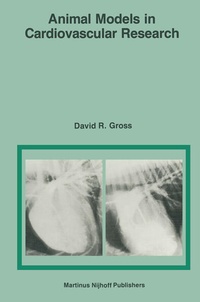
Animal Models in Cardiovascular Research
Published on 5. October 2011
Book
Paperback/Softback
630 pages
978-94-010-8717-9 (ISBN)
Description
1: General Principles of Animal Selection, Pre- and Post-Operative Care, Preanesthesia, Chemical Restraint and Analgesia.- 1. Physical examination.- 2. Normal physiological parameters.- 3. Animal behavior considerations.- 4. Special requirement considerations.- 5. The use of anticholinergic drugs for preanesthesia.- 6. Preanesthetic agents.- 7. Recognition of pain and the use of analgesics.- 2: Cardiovascular Effects of the Opiods.- 1. Morphine.- 2. Meperidine.- 3. Methadone.- 4. Pentazocine.- 5. Fentanyl.- 6. Oxymorphone.- 7. Naloxone.- 8. Etorphine.- 9. Others.- 3: Cardiovascular Effects of the Tranquilizers.- 1. Phenothiazine derivatives.- 2. Butyrophenones.- 3. Benzodiazephines.- 4. Rauwolfia derivatives.- 5. Xylazine.- 4: Cardiovascular Effects of Other Drugs Commonly Used in Cardiovascular Research.- 1. Combinations.- 2. Neuromuscular blocking agents.- 3. Skeletal muscle relaxants.- 4. Non-steroidal anti-inflammatory and analgesic agents.- 5. Antibiotics.- to the Anesthetic Agents.- 5: Cardiovascular Effects of Intravenous Anesthetic Agents.- 1. Barbiturates.- 2. Alpha-chloralose.- 3. Urethane.- 4. Alpha-chloralose and urethane combined.- 6: Cardiovascular Effects of Inhalant Anesthetic Agents.- 1. Halothane.- 2. Enflurane.- 3. Methoxyflurane and Isoflurane.- 4. Diethyl ether.- 5. Nitrous oxide.- 6. Cyclopropane, Chloroform, Fluroxene and Trichlorethylene.- 7: Cardiovascular Effects of Halucinogens, Neurolept Analgesic/Anesthetic Combinations and Steroid Anesthetics.- 1. Ketamine.- 2. Ketamine-tranquilizer combinations.- 3. Tranquilizer - opiod combinations.- 4. Guaifenesin and the steroid anesthetics.- 8: Effects of Chemical Restraint and Anesthesia on Blood Glucose Levels.- 1. Opiods.- 2. Tranquilizers.- 3. Xylazine.- 4. Barbiturates.- 5. Urethane.- 6.Inhalent anesthesia.- 7. Neurolept analgesics/anesthetics.- 8. Droperidol and Fentanyl.- 9: Normal Cardiovascular Parameters from Intact, Awake Animals.- 1. Dogs.- 2. Cats.- 3. Rats.- 4. Rabbits.- 5. Sheep.- 6. Calves.- 7. Pigs.- 8. Ponies.- 9. Primates.- 10: Naturally Occurring Models of Cardiovascular Disease.- 11: Iatrogenic Models for Studying Heart Disease.- 1. Heart failure models.- 2. Portal hypertension models.- 3. Isolated heart preparations.- 4. Microvascular studies.- 5. Organ culture.- 6. Streptococcal rheumatic carditis.- 12: Animal Models of Atherosclerosis.- 1. Quantification techniques.- 2. Pathogenesis.- 3. Natural occurrence.- 4. Specific animal models.- 5. Regression studies.- 13: Animal Models of Hypertension.- 1. Renovascular hypertension.- 2. Spontaneously hypertensive rats (SHR).- 3. Dahl salt-sensitive rats.- 4. Salt and DOCA - salt models.- 5. Neurogenic hypertension and the central component.- 14: In-Vivo Measurements, Pitfalls and Problems of Instrumentation.- 1. Transduction of physiological events.- 2. Recording.- 3. Measuring electrical events.- 4. Measuring force and pressure events.- 5. Measuring interstitial fluid pressures.- 6. Measuring pressure in the micro-vasculature.- 7. Indirect techniques for measuring arterial pressures.- 8. Measuring flow events.- 9. Measuring chemical events.- 10. Measuring dimension changes.- 11. Measuring temperature changes.- 12. Calculation and/or measurement of volumes.- 13. Use of the microsphere technique for estimating tissue blood flows.
More details
Edition
Softcover reprint of the original 1st ed. 1985
Language
English
Place of publication
Dordrecht
Netherlands
Target group
Professional and scholarly
Research
Product notice
Paperback (trade)
Unsewn / adhesive bound
Illustrations
630 p.
Dimensions
Height: 235 mm
Width: 155 mm
Thickness: 34 mm
Weight
949 gr
ISBN-13
978-94-010-8717-9 (9789401087179)
DOI
10.1007/978-94-009-5006-1
Schweitzer Classification
Other editions
Additional editions
D.R. Gross
Animal Models in Cardiovascular Research
E-Book
12/2012
1st Edition
Springer
€96.29
Available for download

David R. Gross
Animal Models in Cardiovascular Research
Book
02/1985
Kluwer Academic Publishers
€109.13
Article exhausted; check different version
Content
1: General Principles of Animal Selection, Pre- and Post-Operative Care, Preanesthesia, Chemical Restraint and Analgesia.- 1. Physical examination.- 2. Normal physiological parameters.- 3. Animal behavior considerations.- 4. Special requirement considerations.- 5. The use of anticholinergic drugs for preanesthesia.- 6. Preanesthetic agents.- 7. Recognition of pain and the use of analgesics.- 2: Cardiovascular Effects of the Opiods.- 1. Morphine.- 2. Meperidine.- 3. Methadone.- 4. Pentazocine.- 5. Fentanyl.- 6. Oxymorphone.- 7. Naloxone.- 8. Etorphine.- 9. Others.- 3: Cardiovascular Effects of the Tranquilizers.- 1. Phenothiazine derivatives.- 2. Butyrophenones.- 3. Benzodiazephines.- 4. Rauwolfia derivatives.- 5. Xylazine.- 4: Cardiovascular Effects of Other Drugs Commonly Used in Cardiovascular Research.- 1. Combinations.- 2. Neuromuscular blocking agents.- 3. Skeletal muscle relaxants.- 4. Non-steroidal anti-inflammatory and analgesic agents.- 5. Antibiotics.- to the Anesthetic Agents.- 5: Cardiovascular Effects of Intravenous Anesthetic Agents.- 1. Barbiturates.- 2. Alpha-chloralose.- 3. Urethane.- 4. Alpha-chloralose and urethane combined.- 6: Cardiovascular Effects of Inhalant Anesthetic Agents.- 1. Halothane.- 2. Enflurane.- 3. Methoxyflurane and Isoflurane.- 4. Diethyl ether.- 5. Nitrous oxide.- 6. Cyclopropane, Chloroform, Fluroxene and Trichlorethylene.- 7: Cardiovascular Effects of Halucinogens, Neurolept Analgesic/Anesthetic Combinations and Steroid Anesthetics.- 1. Ketamine.- 2. Ketamine-tranquilizer combinations.- 3. Tranquilizer - opiod combinations.- 4. Guaifenesin and the steroid anesthetics.- 8: Effects of Chemical Restraint and Anesthesia on Blood Glucose Levels.- 1. Opiods.- 2. Tranquilizers.- 3. Xylazine.- 4. Barbiturates.- 5. Urethane.- 6.Inhalent anesthesia.- 7. Neurolept analgesics/anesthetics.- 8. Droperidol and Fentanyl.- 9: Normal Cardiovascular Parameters from Intact, Awake Animals.- 1. Dogs.- 2. Cats.- 3. Rats.- 4. Rabbits.- 5. Sheep.- 6. Calves.- 7. Pigs.- 8. Ponies.- 9. Primates.- 10: Naturally Occurring Models of Cardiovascular Disease.- 11: Iatrogenic Models for Studying Heart Disease.- 1. Heart failure models.- 2. Portal hypertension models.- 3. Isolated heart preparations.- 4. Microvascular studies.- 5. Organ culture.- 6. Streptococcal rheumatic carditis.- 12: Animal Models of Atherosclerosis.- 1. Quantification techniques.- 2. Pathogenesis.- 3. Natural occurrence.- 4. Specific animal models.- 5. Regression studies.- 13: Animal Models of Hypertension.- 1. Renovascular hypertension.- 2. Spontaneously hypertensive rats (SHR).- 3. Dahl salt-sensitive rats.- 4. Salt and DOCA - salt models.- 5. Neurogenic hypertension and the central component.- 14: In-Vivo Measurements, Pitfalls and Problems of Instrumentation.- 1. Transduction of physiological events.- 2. Recording.- 3. Measuring electrical events.- 4. Measuring force and pressure events.- 5. Measuring interstitial fluid pressures.- 6. Measuring pressure in the micro-vasculature.- 7. Indirect techniques for measuring arterial pressures.- 8. Measuring flow events.- 9. Measuring chemical events.- 10. Measuring dimension changes.- 11. Measuring temperature changes.- 12. Calculation and/or measurement of volumes.- 13. Use of the microsphere technique for estimating tissue blood flows.