


Group Work with Populations At-Risk
4th Edition
Published on 30. August 2016
Book
Paperback/Softback
568 pages
978-0-19-021212-4 (ISBN)
Description
Group Work with Populations a Risk, Fourth Edition is a fundamental resource for practitioners in health and mental health settings and a comprehensive guidebook of group work skills. Geared toward students and professionals gaining a beginning understanding of groups, this volume describes how to work with vulnerable populations. The first chapters, new additions to this edition and written by a new co-editor, provide overarching skills and techniques that
apply across group work settings and populations. These skills, along with case examples, provide a template for practice with groups. The vulnerable populations that are addressed include returning war veterans, immigrants, the aging and their caregivers, children and adults who have been abused, and people
struggling with substance abuse issues, cancer, and chronic mental illness. New chapters have been added for survivors of sex trafficking, children in need of social skills training, people who experienced intimate partner violence, parents who are homeless, and fathers who are incarcerated. Each chapter (designed to stand alone for easy reference) describes the population and reviews the relevant literature, identifies themes and practice principles, presents case illustrations, provides
evaluation guidance, and refers readers to key references and web resources.
apply across group work settings and populations. These skills, along with case examples, provide a template for practice with groups. The vulnerable populations that are addressed include returning war veterans, immigrants, the aging and their caregivers, children and adults who have been abused, and people
struggling with substance abuse issues, cancer, and chronic mental illness. New chapters have been added for survivors of sex trafficking, children in need of social skills training, people who experienced intimate partner violence, parents who are homeless, and fathers who are incarcerated. Each chapter (designed to stand alone for easy reference) describes the population and reviews the relevant literature, identifies themes and practice principles, presents case illustrations, provides
evaluation guidance, and refers readers to key references and web resources.
More details
Edition
4th Revised edition
Language
English
Place of publication
New York
United States
Target group
Professional and scholarly
Edition type
Revised edition
Dimensions
Height: 234 mm
Width: 156 mm
Thickness: 30 mm
Weight
846 gr
ISBN-13
978-0-19-021212-4 (9780190212124)
Copyright in bibliographic data and cover images is held by Nielsen Book Services Limited or by the publishers or by their respective licensors: all rights reserved.
Schweitzer Classification
Other editions
Additional editions
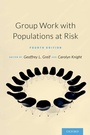
Geoffrey Greif | Carolyn Knight
Group Work with Populations At-Risk
E-Book
08/2016
4th Edition
OUP eBook
€47.49
Available for download
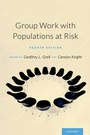
Geoffrey Greif | Carolyn Knight
Group Work with Populations At-Risk
E-Book
08/2016
4th Edition
OUP eBook
€47.49
Available for download
Persons
Geoffrey Greif, PhD, MSW, is Professor at the University of Maryland School of Social Work. He has authored numerous books and more than 125 journal articles and book chapters. His research on relationships has been cited in news outlets throughout the world, including The New York Times, The Wall Street Journal, USA Today, and The Times of London. He has made personal appearances on CBS This Morning, BBC, CNN, and NPR.
Carolyn Knight, PhD, MSW, is Professor in the School of Social Work, University of Maryland, Baltimore County. She has more than 25 years of experience providing individual and group treatment to adult survivors of childhood trauma. She has extensive experience facilitating groups for bereaved children and currently runs a group in a shelter for homeless parents. She has written and presented extensively on the group modality, including strategies for teaching group work in the classroom and
the field practicum.
Carolyn Knight, PhD, MSW, is Professor in the School of Social Work, University of Maryland, Baltimore County. She has more than 25 years of experience providing individual and group treatment to adult survivors of childhood trauma. She has extensive experience facilitating groups for bereaved children and currently runs a group in a shelter for homeless parents. She has written and presented extensively on the group modality, including strategies for teaching group work in the classroom and
the field practicum.
Content
Contributors Chapter 1: Introduction: The Context of Contemporary Group Work Practice and Education Chapter 2: Group Work Practice: Phases of Work and Associated Skills and Tasks Chapter 3: A Summary: Skills for Working in Groups across Populations at Risk Part One: Health Issues Chapter 4: Group Work With People Who Have Cancer Chapter 5: Group Work With People Who Suffer from Serious Mental Illness Chapter 6: Group Work with Individuals Living With HIV/AIDS during a Changing Pandemic
Chapter 7: Group Work to Address Adolescent Alcohol and Other Drug Abuse Chapter 8: The Use of Group Work in the Treatment of Substance Use Disorders among Older Adults Part Two: Adjusting to Change
Chapter 9: Social Skills Groups for Children and Adolescents Chapter 10 Group Work With Older Adults Chapter 11: Culturally Responsive Group Work With Immigrant Family Caregivers
Chapter 12 Group Work With Immigrants and Refugees
Chapter 13: Group Work With Combat Veterans: Vietnam through the Persian Gulf Era
Chapter 14: Group Work With Super Computers in our Pockets: Integrating Smartphones into In-person Group Interventions Part Three: Violence: Victims and Perpetrators Chapter 15: Group Work With Adult Survivors of Childhood Sexual Abuse Chapter 16: Group Work With Victims of Hate Crimes Chapter 17: Group Work with Survivors of Sex Trafficking Chapter 18: Group Work with Survivors of Intimate Partner Violence
Chapter 19: Group Work With Children Impacted by Sexual Abuse Part Four: The Community Chapter 20: Group Work With Urban African American Parents in Their Neighborhood Schools
Chapter 21: Group Work with Children and Adolescents in Response to Community Violence and/or Trauma
Chapter 22: Group Work With Gay Men Chapter 23: Group Work With Fathers who are Incarcerated
Chapter 24: Group Work With Homeless Parents
Chapter 25: Group Work in Context: Organizational and Community Factors Part Five: Evaluating Practice and Practice Skills
Chapter 26: Using Evidence-Based Practice and Intervention Research With Treatment Groups for Populations at Risk Index
Chapter 7: Group Work to Address Adolescent Alcohol and Other Drug Abuse Chapter 8: The Use of Group Work in the Treatment of Substance Use Disorders among Older Adults Part Two: Adjusting to Change
Chapter 9: Social Skills Groups for Children and Adolescents Chapter 10 Group Work With Older Adults Chapter 11: Culturally Responsive Group Work With Immigrant Family Caregivers
Chapter 12 Group Work With Immigrants and Refugees
Chapter 13: Group Work With Combat Veterans: Vietnam through the Persian Gulf Era
Chapter 14: Group Work With Super Computers in our Pockets: Integrating Smartphones into In-person Group Interventions Part Three: Violence: Victims and Perpetrators Chapter 15: Group Work With Adult Survivors of Childhood Sexual Abuse Chapter 16: Group Work With Victims of Hate Crimes Chapter 17: Group Work with Survivors of Sex Trafficking Chapter 18: Group Work with Survivors of Intimate Partner Violence
Chapter 19: Group Work With Children Impacted by Sexual Abuse Part Four: The Community Chapter 20: Group Work With Urban African American Parents in Their Neighborhood Schools
Chapter 21: Group Work with Children and Adolescents in Response to Community Violence and/or Trauma
Chapter 22: Group Work With Gay Men Chapter 23: Group Work With Fathers who are Incarcerated
Chapter 24: Group Work With Homeless Parents
Chapter 25: Group Work in Context: Organizational and Community Factors Part Five: Evaluating Practice and Practice Skills
Chapter 26: Using Evidence-Based Practice and Intervention Research With Treatment Groups for Populations at Risk Index