


Fuel Cells
Modeling, Control, and Applications
1st Edition
Published on 10. August 2009
Book
Hardback
248 pages
978-1-4200-7161-0 (ISBN)
Description
Fuel Cells: Modeling, Control, and Applications describes advanced research results on modeling and control designs for fuel cells and their hybrid energy systems. Filled with simulation examples and test results, it provides detailed discussions on fuel cell modeling, analysis, and nonlinear control.
The book begins with an introduction to fuel cells and fuel cell power systems as well as the fundamentals of fuel cell systems and their components. It then presents the linear and nonlinear modeling of fuel cell dynamics, before discussing typical approaches of linear and nonlinear modeling and control design methods for fuel cells. The authors also explore the Simulink implementation of fuel cells, including the modeling of PEM fuel cells and control designs. They cover the applications of fuel cells in vehicles, utility power systems, stand-alone systems, and hybrid renewable energy systems. The book concludes with the modeling and analysis of hybrid renewable energy systems, which integrate fuel cells, wind power, and solar power. Mathematical preliminaries on linear and nonlinear control are provided in an appendix.
With the need for alternative power well established, we are seeing unprecedented research in fuel cell technology. Written by scientists directly involved with the research, this book presents approaches and achievements in the linear and nonlinear modeling and control design of PEM fuel cells.
The book begins with an introduction to fuel cells and fuel cell power systems as well as the fundamentals of fuel cell systems and their components. It then presents the linear and nonlinear modeling of fuel cell dynamics, before discussing typical approaches of linear and nonlinear modeling and control design methods for fuel cells. The authors also explore the Simulink implementation of fuel cells, including the modeling of PEM fuel cells and control designs. They cover the applications of fuel cells in vehicles, utility power systems, stand-alone systems, and hybrid renewable energy systems. The book concludes with the modeling and analysis of hybrid renewable energy systems, which integrate fuel cells, wind power, and solar power. Mathematical preliminaries on linear and nonlinear control are provided in an appendix.
With the need for alternative power well established, we are seeing unprecedented research in fuel cell technology. Written by scientists directly involved with the research, this book presents approaches and achievements in the linear and nonlinear modeling and control design of PEM fuel cells.
More details
Series
Language
English
Place of publication
Bosa Roca
United States
Publishing group
Taylor & Francis Inc
Target group
Professional and scholarly
Industrial, power, and automotive engineers and researchers, nanotechnology and fuel cell researchers and students.
Product notice
Paper over boards
Illustrations
15 s/w Tabellen, 157 s/w Abbildungen
362; 15 Tables, black and white; 157 Illustrations, black and white
Dimensions
Height: 235 mm
Width: 156 mm
Weight
499 gr
ISBN-13
978-1-4200-7161-0 (9781420071610)
Copyright in bibliographic data and cover images is held by Nielsen Book Services Limited or by the publishers or by their respective licensors: all rights reserved.
Schweitzer Classification
Other editions
New editions
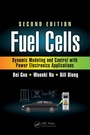
Bei Gou | Woonki Na | Bill Diong
Fuel Cells
Dynamic Modeling and Control with Power Electronics Applications, Second Edition
Book
08/2016
2nd Edition
CRC Press
€252.97
Shipment within 15-20 days
Additional editions

E-Book
12/2017
CRC Press
€73.99
Available for download

Book
05/2017
1st Edition
Routledge
€94.39
Article exhausted; check for reprint
Persons
Bei Gou is currently the president and CEO of Smart Electric Grid, LLC. He was previously an assistant professor in the Department of Electrical Engineering at the University of Texas, Arlington.
Woon Ki Na is a senior power electronics and control engineer at Caterpillar Inc.
Bill Diong is an associate professor at Texas Christian University.
Woon Ki Na is a senior power electronics and control engineer at Caterpillar Inc.
Bill Diong is an associate professor at Texas Christian University.
Content
Introduction
The Past, Present, and Future of Fuel Cells
Typical Fuel Cell Power System Organization
The Importance of Fuel Cell Dynamics
Organization of This Book
Fundamentals of Fuel Cells
Introduction
PEMFC Components
The Balance-of-Plant Components
Linear and Nonlinear Models of Fuel Cell Dynamics
Introduction
Nomenclature
Nonlinear Models of PEMFC Dynamics
State Space Dynamic Model of PEMFCs
Electrochemical Circuit Model of PEMFCs
Linear Model of PEMFC Dynamics
Parametric Sensitivity of PEMFC Output Response
Linear and Nonlinear Control Design for Fuel Cells
Introduction
Linear Control Design for Fuel Cells
Nonlinear Control Design for Fuel Cells
Nonlinear Control Design for Interface
Analysis of Control Design
Simulation of Nonlinear Control for PEMFC
Simulink Implementation of Fuel Cell Models and Controllers
Introduction
Simulink Implementation of the Fuel Cell Models
Simulink Implementation of the Fuel Cell Controllers
Simulation Results
Applications of Fuel Cells in Vehicles
Introduction
Fuel Cell Vehicle Components
Hybrid Electric Vehicles and Fuel Cell System Design for Electric Vehicles
Control of Hybrid Fuel Cell System for Electric Vehicles
Fault Diagnosis of Hybrid Fuel Cell System
Application of Fuel Cells in Utility Power Systems and Stand-Alone Systems
Introduction
Utility Power Systems and Residential Applications
Stand-Alone Application
Modeling Distributed Generators in Load Flow Analysis
Control and Analysis of Hybrid Renewable Energy Systems
Introduction
Hybrid System Consisting of Wind and Fell Cell Sources
Hybrid Renewable Energy System for Isolated Islands
Power Management of a Stand-Alone Wind/Photovoltaic/Fuel Cell Energy System
Hybrid Renewable Energy Systems in Load Flow Analysis
Appendices
Index
References appear at the end of each chapter.
The Past, Present, and Future of Fuel Cells
Typical Fuel Cell Power System Organization
The Importance of Fuel Cell Dynamics
Organization of This Book
Fundamentals of Fuel Cells
Introduction
PEMFC Components
The Balance-of-Plant Components
Linear and Nonlinear Models of Fuel Cell Dynamics
Introduction
Nomenclature
Nonlinear Models of PEMFC Dynamics
State Space Dynamic Model of PEMFCs
Electrochemical Circuit Model of PEMFCs
Linear Model of PEMFC Dynamics
Parametric Sensitivity of PEMFC Output Response
Linear and Nonlinear Control Design for Fuel Cells
Introduction
Linear Control Design for Fuel Cells
Nonlinear Control Design for Fuel Cells
Nonlinear Control Design for Interface
Analysis of Control Design
Simulation of Nonlinear Control for PEMFC
Simulink Implementation of Fuel Cell Models and Controllers
Introduction
Simulink Implementation of the Fuel Cell Models
Simulink Implementation of the Fuel Cell Controllers
Simulation Results
Applications of Fuel Cells in Vehicles
Introduction
Fuel Cell Vehicle Components
Hybrid Electric Vehicles and Fuel Cell System Design for Electric Vehicles
Control of Hybrid Fuel Cell System for Electric Vehicles
Fault Diagnosis of Hybrid Fuel Cell System
Application of Fuel Cells in Utility Power Systems and Stand-Alone Systems
Introduction
Utility Power Systems and Residential Applications
Stand-Alone Application
Modeling Distributed Generators in Load Flow Analysis
Control and Analysis of Hybrid Renewable Energy Systems
Introduction
Hybrid System Consisting of Wind and Fell Cell Sources
Hybrid Renewable Energy System for Isolated Islands
Power Management of a Stand-Alone Wind/Photovoltaic/Fuel Cell Energy System
Hybrid Renewable Energy Systems in Load Flow Analysis
Appendices
Index
References appear at the end of each chapter.