

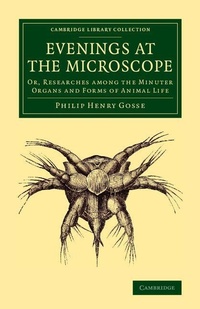
Evenings at the Microscope
Or, Researches among the Minuter Organs and Forms of Animal Life
Published on 2. July 2015
Book
Paperback/Softback
524 pages
978-1-108-08126-9 (ISBN)
Description
English zoologist Philip Henry Gosse (1810-88) spent several years studying the biodiversity of habitats in North America and the Caribbean. His Naturalist's Sojourn in Jamaica (1851) is reissued in this series. When he settled on the Devonshire coast, the area proved equally rich for research. In this 1859 publication, the deeply religious Gosse considers the 'Divine mechanics' of animal body parts and microorganisms seen through the lens of a microscope. He leads the reader through a selection of specimens ranging from a hog's bristle to the shoe-like protist Paramecium. Gosse's writing style, enlivened with anecdotes and literary references, earned him considerable appreciation among Victorian audiences. His entertaining text is complemented by more than 100 illustrations which showcase his draughtsmanship. While the work shares its year of publication with Darwin's groundbreaking Origin of Species, Gosse's religious views firmly shaped his interpretation of the specimens on show.
More details
Series
Language
English
Place of publication
Cambridge
United Kingdom
Target group
Professional and scholarly
Product notice
Paperback (trade)
Illustrations
114 Line drawings, unspecified
Dimensions
Height: 216 mm
Width: 140 mm
Thickness: 31 mm
Weight
731 gr
ISBN-13
978-1-108-08126-9 (9781108081269)
Copyright in bibliographic data and cover images is held by Nielsen Book Services Limited or by the publishers or by their respective licensors: all rights reserved.
Schweitzer Classification
Content
Preface; 1. Hairs, feathers, and scales; 2. Blood; 3. Mollusca; 4. Sea-mats and shelly corallines; 5. Insects: wings and their appendages; 6. Insects: their breathing organs; 7. Insects: their feet; 8. Insects: stings and ovipositors; 9. Insects: their mouths; 10. Insects: their eyes and ears; 11. Crabs and shrimps; 12. Barnacles; 13. Spiders and mites; 14. Wheel-bearers; 15. Worms; 16. Sea-urchins and sea-cucumbers; 17. Jelly-fishes; 18. Zoophytes; 19. Sea-anenomes: their weapons; 20. Protozoa and sponges; 21 Infusoria; Index.