

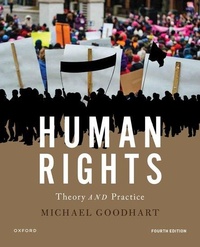
Human Rights
Theory and Practice
4th Edition
Published on 14. July 2022
Book
Paperback/Softback
544 pages
978-0-19-008546-9 (ISBN)
Description
Human Rights: Theory and Practice is a comprehensive, interdisciplinary text written by a global team of experts with coverage and content unrivaled by any other text on the market. With contributions from an international panel of experts, including political scientists, lawyers, philosophers, and policy-makers, this text is unmatched in its ability to provide students with a practical, comprehensive and 21st century perspectives on the theory, study and practice of human rights. In addition to in-depth theoretical content, the book features unrivaled coverage of human rights issues in practice, with a wide range of case studies allowing students to explore true-to-life examples from around the world. There are also dynamic pedagogical features that encourage critical analysis, challenge students to question their assumptions, and facilitate class dialogue on key issues. This text comes to us as a highly-respected and successful OUP UK title. With high export sales to the US in previous editions, it is poised to continue its sales growth as an OUP USA title. The fourth edition will be brought fully up-to-date, with new readings centered on recent and relevant issues. The proposed revisions and title change (from "Politics and Practice") will reposition the text as an interdisciplinary examination of human rights, rather than strictly political science-centric. This change will make known to a broader market what current users have noted: this text is applicable to a range of courses and disciplines, such as Philosophy and graduate level courses. Section I will be reorganized to remove the critical chapter, following reviewer feedback, and to focus more on theory as it relates to different areas of study (Philosophy, Law, Social Practice, Politics, etc.). Section II will follow its existing format, focused on practice, with new and updated readings related to the Black Lives Matter movement, women's rights, the refugee crises, and genocide, among others.
Supplemental support for instructors includes test bank, PowerPoint lecture slides, and active learning exercises. Student resources include LO's, key term flashcards, reading lists, and links to online resources.
Supplemental support for instructors includes test bank, PowerPoint lecture slides, and active learning exercises. Student resources include LO's, key term flashcards, reading lists, and links to online resources.
Reviews / Votes
Overall, the Goodhart text provides an excellent thematic introduction to the study of human rights covering a wide range of issues and perspectives. The authors of this text provide an extensive array of suggestions for further reading to provide supplementation to this material for more advanced students at the graduate level. * Michael Sullivan, St. Mary's University * Overall it is a good book. Its main strengths are the breadth of coverage and the relevance of these topics to students. * Jelena Subotic, Georgia State University *More details
Edition
4th Revised edition
Language
English
Place of publication
New York
United States
Target group
College/higher education
Edition type
Revised edition
Dimensions
Height: 234 mm
Width: 190 mm
Thickness: 22 mm
Weight
822 gr
ISBN-13
978-0-19-008546-9 (9780190085469)
Copyright in bibliographic data and cover images is held by Nielsen Book Services Limited or by the publishers or by their respective licensors: all rights reserved.
Schweitzer Classification
Person
Michael Goodhart is Professor of Political Science, Director of the Global Studies Center, and a University Honors College Faculty Fellow at the University of Pittsburgh. He is also the author of Injustice: Political Theory for the Real World (OUP, 2018).
Content
Notes on Contributors
Introduction, Michael Goodhart Part I: Theory 1. The Philosophical Foundations of Human Rights, Anthony Langlois Introduction
The Emergence of Rights Language
Modern Human Rights
Types of Human Rights: Liberty and Welfare Rights
Group Rights
Human Rights as a Political Project
Conclusion 2. Human Rights in International Law, Rhona Smith Introduction Historical Evolution of International Human Rights Law Sources of International Human Rights Law
Monitoring and Enforcing International Human Rights Law
Conclusion 3. The Politics of Human Rights, Michael Goodhart
Introduction
The Invention of Human Rights
Why Are Human Rights Controversial?
Thinking Politically about Human Rights
Conclusion 4. Feminist Approaches to Human Rights, Laura Parisi
Introduction
Women's Rights are Human Rights : Evolution of the Discourse
The Structural Indivisibility of Rights and CEDAW
Gender Equality and Human Rights: Contemporary Issues
Conclusion 5. Imperialism and Human Rights, Bonny Ibhawoh Introduction Linking Imperialism and Human Rights
Empire and Atrocity
Strategic Human Rights
Self-Determination and Racial Equality
Nationalism and Decolonization
Conclusion 6. The Social Life of Human Rights, Damien Short Introduction
Sociology of Human Rights
Anthropology of Human Rights
A Common Thread: The Social Construction of Right
Conclusion 7. Human Rights Claiming as a Performative Practice, Karen Zivi Introduction
The Human Rights Gap
Theorizing Performativity
Human Rights Performativity
Conclusion Part II: Practice 8. Genocide, Scott Straus Introduction
The Origins of the Concept of 'Genocide'
Theories of Genocide
Case Studies: Rwanda and Darfur
Rwanda
Darfur
Conclusion 9. Humanitarian Intervention, Alan Kuperman Introduction to Humanitarian Intervention
Evolving Concepts of Intervention
Military Intervention
Obstacles to Effective Intervention
Unintended Consequences of Intervention
Case Study of Intervention: Bosnia
Conclusion: Lessons of Humanitarian Intervention 10. Transitional Justice, Joanna Quinn Introduction Retributive Justice
Restorative Justice Reparative Justice Putting Transitional Justice into Practice
Case Study: Uganda Conclusion 11. Treaties, monitoring, and enforcement, Emily Ritter Introduction
International Treaty Creation and Ratification
Compliance in Law and Action Monitoring Compliance
Enforcement in Instances of Non-Compliance
Case Study: The Black Lives Matter Movement
Conclusion 12. Political Democracy and State Repression, Christian Davenport
Introduction
Understanding the Democracy-Repression Nexus
Case Studies: Democracy and Repression in the United States in Two Historical Periods
The Path to Peace: Directions for Future Research
Conclusion 13. Migration and Refugees, Gil Loescher & Kurt Mills Introduction Assessing the Problem The Problem of Defining Refugees The UNHCR, Human Rights, and the International Refugee Regime Case Study: Forced Displacement in Myanmar The Way Forward: The Need for New Alliances and New Actors Conclusion 14. Human Rights and the Environment, Sumudu Atapattu Introduction
What are environmental rights? Convergence between human rights and environmental protection
Synergies and challenges of using a human rights framework for environmental issues
Regional systems of human rights
Emergence of a right to a healthy environment and its implications
Case study - Teitiota v. New Zealand Conclusion 15. Indigenous Rights and Language Sovereignty, Odilia Romero, Joseph Berra, & Shannon Speed Introduction
From erasure to sovereignty: a trajectory of reclamation
The imposition and persistence of settler colonial structures
Human rights harms through the lens of Indigenous language knowledge keepers
Identity, language and sovereignty
Conclusion 16. Social movements and human rights, Jackie Smith
Introduction
Social Movements and Human Rights
The Diffusion of Human Rights
Case Study: Human Rights Cities "Bringing Human Rights Home"
Human Rights Globalization & Cities
Conclusion 17. Theory in Practice: Making Human Rights Claims in a Human Rights Way, Brooke Ackerly Introduction
Universal Human Rights and Cultural Relativism Human Rights Struggles Case Study: Theory in Practice
Conclusion 18. Sexual Orientation, Gender Identity, and Human Rights, Cricket Keating and Cindy Burack Introduction
Sexual Orientation and Gender Identity rights as human rights
Organizing for SOGI human rights
Critiques of SOGI Human rights activism
Case Study: Uganda Conclusion 19. Religion and Human Rights, Roja Fazaeli and Joel Hanisek Introduction
Historical context of the relationship
A complex relationship
The Masterpiece Cakeshop Case
The Bahin Case
Conclusion 20. The human right to water, Madeline Baer
Introduction
Defining Water
The Human Right to Water
Privatization of Water
Creating the Human Right to Water in International Law
Case Study: Bolivia Conclusion 21. The SDGs and economic rights, Inga Winkler & Matheus de Carvalho Hernandez Introduction
History and Development of the SDGs
The Reflection of Human Rights in the Sustainable Development Agenda
Accountability: Central to Human Rights but not the SDGs
Case Study: Reducing Inequalities
Conclusion
Introduction, Michael Goodhart Part I: Theory 1. The Philosophical Foundations of Human Rights, Anthony Langlois Introduction
The Emergence of Rights Language
Modern Human Rights
Types of Human Rights: Liberty and Welfare Rights
Group Rights
Human Rights as a Political Project
Conclusion 2. Human Rights in International Law, Rhona Smith Introduction Historical Evolution of International Human Rights Law Sources of International Human Rights Law
Monitoring and Enforcing International Human Rights Law
Conclusion 3. The Politics of Human Rights, Michael Goodhart
Introduction
The Invention of Human Rights
Why Are Human Rights Controversial?
Thinking Politically about Human Rights
Conclusion 4. Feminist Approaches to Human Rights, Laura Parisi
Introduction
Women's Rights are Human Rights : Evolution of the Discourse
The Structural Indivisibility of Rights and CEDAW
Gender Equality and Human Rights: Contemporary Issues
Conclusion 5. Imperialism and Human Rights, Bonny Ibhawoh Introduction Linking Imperialism and Human Rights
Empire and Atrocity
Strategic Human Rights
Self-Determination and Racial Equality
Nationalism and Decolonization
Conclusion 6. The Social Life of Human Rights, Damien Short Introduction
Sociology of Human Rights
Anthropology of Human Rights
A Common Thread: The Social Construction of Right
Conclusion 7. Human Rights Claiming as a Performative Practice, Karen Zivi Introduction
The Human Rights Gap
Theorizing Performativity
Human Rights Performativity
Conclusion Part II: Practice 8. Genocide, Scott Straus Introduction
The Origins of the Concept of 'Genocide'
Theories of Genocide
Case Studies: Rwanda and Darfur
Rwanda
Darfur
Conclusion 9. Humanitarian Intervention, Alan Kuperman Introduction to Humanitarian Intervention
Evolving Concepts of Intervention
Military Intervention
Obstacles to Effective Intervention
Unintended Consequences of Intervention
Case Study of Intervention: Bosnia
Conclusion: Lessons of Humanitarian Intervention 10. Transitional Justice, Joanna Quinn Introduction Retributive Justice
Restorative Justice Reparative Justice Putting Transitional Justice into Practice
Case Study: Uganda Conclusion 11. Treaties, monitoring, and enforcement, Emily Ritter Introduction
International Treaty Creation and Ratification
Compliance in Law and Action Monitoring Compliance
Enforcement in Instances of Non-Compliance
Case Study: The Black Lives Matter Movement
Conclusion 12. Political Democracy and State Repression, Christian Davenport
Introduction
Understanding the Democracy-Repression Nexus
Case Studies: Democracy and Repression in the United States in Two Historical Periods
The Path to Peace: Directions for Future Research
Conclusion 13. Migration and Refugees, Gil Loescher & Kurt Mills Introduction Assessing the Problem The Problem of Defining Refugees The UNHCR, Human Rights, and the International Refugee Regime Case Study: Forced Displacement in Myanmar The Way Forward: The Need for New Alliances and New Actors Conclusion 14. Human Rights and the Environment, Sumudu Atapattu Introduction
What are environmental rights? Convergence between human rights and environmental protection
Synergies and challenges of using a human rights framework for environmental issues
Regional systems of human rights
Emergence of a right to a healthy environment and its implications
Case study - Teitiota v. New Zealand Conclusion 15. Indigenous Rights and Language Sovereignty, Odilia Romero, Joseph Berra, & Shannon Speed Introduction
From erasure to sovereignty: a trajectory of reclamation
The imposition and persistence of settler colonial structures
Human rights harms through the lens of Indigenous language knowledge keepers
Identity, language and sovereignty
Conclusion 16. Social movements and human rights, Jackie Smith
Introduction
Social Movements and Human Rights
The Diffusion of Human Rights
Case Study: Human Rights Cities "Bringing Human Rights Home"
Human Rights Globalization & Cities
Conclusion 17. Theory in Practice: Making Human Rights Claims in a Human Rights Way, Brooke Ackerly Introduction
Universal Human Rights and Cultural Relativism Human Rights Struggles Case Study: Theory in Practice
Conclusion 18. Sexual Orientation, Gender Identity, and Human Rights, Cricket Keating and Cindy Burack Introduction
Sexual Orientation and Gender Identity rights as human rights
Organizing for SOGI human rights
Critiques of SOGI Human rights activism
Case Study: Uganda Conclusion 19. Religion and Human Rights, Roja Fazaeli and Joel Hanisek Introduction
Historical context of the relationship
A complex relationship
The Masterpiece Cakeshop Case
The Bahin Case
Conclusion 20. The human right to water, Madeline Baer
Introduction
Defining Water
The Human Right to Water
Privatization of Water
Creating the Human Right to Water in International Law
Case Study: Bolivia Conclusion 21. The SDGs and economic rights, Inga Winkler & Matheus de Carvalho Hernandez Introduction
History and Development of the SDGs
The Reflection of Human Rights in the Sustainable Development Agenda
Accountability: Central to Human Rights but not the SDGs
Case Study: Reducing Inequalities
Conclusion