

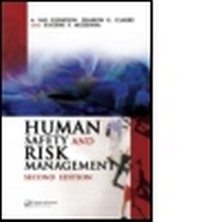
Human Safety and Risk Management, Second Edition
2nd Edition
Published on 24. April 2006
Book
Hardback
528 pages
978-0-8493-3090-2 (ISBN)
Description
Reflecting a decade's worth of changes, Human Safety and Risk Management, Second Edition contains new chapters addressing safety culture and models of risk as well as an extensive re-working of the material from the earlier edition. Examining a wide range of approaches to risk, the authors define safety culture and review theoretical models that elucidate mechanisms linking safety culture with safety performance. Filled with practical examples and case studies and drawing on a range of disciplines, the book explores individual differences and the many ways in which human beings are alike within a risk and safety context. It delineates a risk management approach that includes a range of techniques such as risk assessment, safety audit, and safety interventions. The authors address concepts central to workplace safety such as attitudes and their link with behavior. They discuss managing behavior in work environments including key functions and benefits of groups, factors influencing team effectiveness, and barriers to effectiveness such as groupthink.
More details
Edition
2nd New edition
Language
English
Place of publication
Bosa Roca
United States
Publishing group
Taylor & Francis Inc
Target group
Professional and scholarly
College/higher education
Practitioners and scientists in safety, risk, and related fields
Edition type
New edition
Illustrations
8 s/w Tabellen, 31 s/w Abbildungen
8 Tables, black and white; 31 Illustrations, black and white
Dimensions
Height: 254 mm
Width: 178 mm
Weight
1111 gr
ISBN-13
978-0-8493-3090-2 (9780849330902)
Copyright in bibliographic data and cover images is held by Nielsen Book Services Limited or by the publishers or by their respective licensors: all rights reserved.
Schweitzer Classification
Other editions
New editions
A. Ian Glendon | Sharon Clarke
Human Safety and Risk Management
A Psychological Perspective, Third Edition
Book
10/2015
3rd Edition
CRC Press
€230.60
Article not available for order
Additional editions
A. Ian Glendon | Sharon Clarke | Eugene McKenna
Human Safety and Risk Management
A Psychological Perspective, Third Edition
E-Book
04/2016
2nd Edition
CRC Press
€197.99
Available for download
Persons
Content
Introduction
Establishing the Field
Emerging Issues in OHS Research and Practice Risk models and risk management
Introduction
First-Order Concepts/Approaches to Risk
Expanded/Developed Approaches to Risk
Meta-Approaches to Risk
Further Discussion
From sensation and perception through motivation and behavior
Introduction
Sensation and the Human Senses
Perceptual Organization and Interpretation
Attention and Vigilance
Causal Attribution
Behavioral Approach to Motivation
Motivating for Safety
Conclusions Human error and human factors
Introduction
Human Error
Categorizing Human Error
Error Occurrence and Detection
Human Factors
Interface Design
Techniques for Reducing Human Error/Increasing Human Reliability
Conclusions Personality and risk liability
Introduction
Models of Personality and the "Big Five"
Accident Proneness
"Big-Five" Personality Characteristics and Injury Liability
Risk Propensity
Individual Differences in Error Liability
Personality at Work
Conclusions Attitudes, values, and risk behaviors
Introduction
Understanding Attitudes
The Nature of Attitudes
Attitudes Toward Safety and Risk
Attitudes and Behavior: Some Theoretical Perspectives
More Complex Approaches to Attitude -Behavior Links
Attitude Change
Safety Climate and Safety Attitudes
Conclusions The role of stress in safety and risk
Introduction
Theoretical Models of Stress
Workplace Stressors and Injuries
Individual Differences and Job Stress
Mechanisms Linking Stress with Injuries
Stress Interventions
Conclusions Managing teams for safe performance
Introduction
Functions and Benefits of Groups
Formation and Types of Groups
Team Effectiveness
Safety Committee Effectiveness
Barriers to Team Effectiveness
Managing Effective Work Teams
Conclusions
Leading and supervising for safe performance
Introduction
Leadership Theories
New Leadership Theories
Leadership Failures
Leadership Ethics
Conclusions Managing human risks
Introduction
A Risk Management Approach
HR Practices Associated with Occupational Health and Safety
Managing Safety Risks: An Integrated Approach
Conclusions Safety culture
Introduction
Defining Safety Culture
Theoretical Models of Safety Culture
Approaches to Developing and Measuring Safety Culture
Changing Towards a Positive Safety Culture
Safety Culture and Risk Management
Conclusions Risk management - conclusions
Staged Approaches to Managing Safety Risks
Beyond a Standards Approach
Integrating Individual and Organizational Adaptive Features
Beyond Prevention
References
Establishing the Field
Emerging Issues in OHS Research and Practice Risk models and risk management
Introduction
First-Order Concepts/Approaches to Risk
Expanded/Developed Approaches to Risk
Meta-Approaches to Risk
Further Discussion
From sensation and perception through motivation and behavior
Introduction
Sensation and the Human Senses
Perceptual Organization and Interpretation
Attention and Vigilance
Causal Attribution
Behavioral Approach to Motivation
Motivating for Safety
Conclusions Human error and human factors
Introduction
Human Error
Categorizing Human Error
Error Occurrence and Detection
Human Factors
Interface Design
Techniques for Reducing Human Error/Increasing Human Reliability
Conclusions Personality and risk liability
Introduction
Models of Personality and the "Big Five"
Accident Proneness
"Big-Five" Personality Characteristics and Injury Liability
Risk Propensity
Individual Differences in Error Liability
Personality at Work
Conclusions Attitudes, values, and risk behaviors
Introduction
Understanding Attitudes
The Nature of Attitudes
Attitudes Toward Safety and Risk
Attitudes and Behavior: Some Theoretical Perspectives
More Complex Approaches to Attitude -Behavior Links
Attitude Change
Safety Climate and Safety Attitudes
Conclusions The role of stress in safety and risk
Introduction
Theoretical Models of Stress
Workplace Stressors and Injuries
Individual Differences and Job Stress
Mechanisms Linking Stress with Injuries
Stress Interventions
Conclusions Managing teams for safe performance
Introduction
Functions and Benefits of Groups
Formation and Types of Groups
Team Effectiveness
Safety Committee Effectiveness
Barriers to Team Effectiveness
Managing Effective Work Teams
Conclusions
Leading and supervising for safe performance
Introduction
Leadership Theories
New Leadership Theories
Leadership Failures
Leadership Ethics
Conclusions Managing human risks
Introduction
A Risk Management Approach
HR Practices Associated with Occupational Health and Safety
Managing Safety Risks: An Integrated Approach
Conclusions Safety culture
Introduction
Defining Safety Culture
Theoretical Models of Safety Culture
Approaches to Developing and Measuring Safety Culture
Changing Towards a Positive Safety Culture
Safety Culture and Risk Management
Conclusions Risk management - conclusions
Staged Approaches to Managing Safety Risks
Beyond a Standards Approach
Integrating Individual and Organizational Adaptive Features
Beyond Prevention
References