

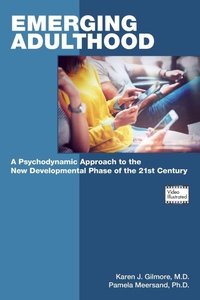
Emerging Adulthood
A Psychodynamic Approach to the New Developmental Phase of the 21st Century
Published on 3. December 2023
Book
Paperback/Softback
324 pages
978-1-61537-419-9 (ISBN)
Description
What makes an adult? Is it living independently, having a
stable career path, getting married, or becoming a parent? In the digital
age, particularly in Western societies, such traditional markers have been
increasingly postponed and redefined. Thus, the concept of emerging
adulthood, first described by Jeffrey Jensen Arnett, Ph.D., is a period
between adolescence and adulthood properly characterized by identity
exploration, instability, self-focus, feeling in-between, and a sense of
wide-open possibilities.
Many contemporary researchers have defined
emerging adulthood as the period between ages 18 and 29 years, but this new
volume argues that it is more useful to look at early emerging adulthood, or
late adolescence (ages 18-23), and later emerging adulthood (ages 24-29)
separately. Although certain broad trends characterize the entire decade in
question (role experimentation, focus on self-discovery), the developmental
capacities and tasks of the earlier years are distinct from those of the
mid- to late 20s.
In accessible chapters made even more applicable by
the use of illustrative vignettes and videos that provide an individualized
depiction of the broader concepts addressed more abstractly within the book,
Emerging Adulthood: A Psychodynamic Approach to the New Developmental
Phase of the 21st Century examines the overarching similarities and
developmental distinctions between these two periods and subsequently delves
into
* The identity process in contemporary society, and its
inevitable intersection with the digital world, focusing on domains such as
race/ethnicity, gender and sexuality, values, and professional roles
*
The centrality of youth culture in aiding the individuation from family of
origin, particularly through the lens of technology, connection to peers,
and trends in music and fashion
* How to distinguish between typical
emotional experiences and behaviors in the years leading up to adulthood and
psychopathologies that require mental health interventions
* Treatment
modalities for individuals in this phase of life, including
cognitive-behavioral therapy, dialectical behavior therapy, digital
enhancements, and peer involvement
Key points for each chapter will
help readers reference the most salient takeaways as they gain a deepened
understanding of the interface of culture and society, family, development,
and individual psychology during these dynamic life phases.
stable career path, getting married, or becoming a parent? In the digital
age, particularly in Western societies, such traditional markers have been
increasingly postponed and redefined. Thus, the concept of emerging
adulthood, first described by Jeffrey Jensen Arnett, Ph.D., is a period
between adolescence and adulthood properly characterized by identity
exploration, instability, self-focus, feeling in-between, and a sense of
wide-open possibilities.
Many contemporary researchers have defined
emerging adulthood as the period between ages 18 and 29 years, but this new
volume argues that it is more useful to look at early emerging adulthood, or
late adolescence (ages 18-23), and later emerging adulthood (ages 24-29)
separately. Although certain broad trends characterize the entire decade in
question (role experimentation, focus on self-discovery), the developmental
capacities and tasks of the earlier years are distinct from those of the
mid- to late 20s.
In accessible chapters made even more applicable by
the use of illustrative vignettes and videos that provide an individualized
depiction of the broader concepts addressed more abstractly within the book,
Emerging Adulthood: A Psychodynamic Approach to the New Developmental
Phase of the 21st Century examines the overarching similarities and
developmental distinctions between these two periods and subsequently delves
into
* The identity process in contemporary society, and its
inevitable intersection with the digital world, focusing on domains such as
race/ethnicity, gender and sexuality, values, and professional roles
*
The centrality of youth culture in aiding the individuation from family of
origin, particularly through the lens of technology, connection to peers,
and trends in music and fashion
* How to distinguish between typical
emotional experiences and behaviors in the years leading up to adulthood and
psychopathologies that require mental health interventions
* Treatment
modalities for individuals in this phase of life, including
cognitive-behavioral therapy, dialectical behavior therapy, digital
enhancements, and peer involvement
Key points for each chapter will
help readers reference the most salient takeaways as they gain a deepened
understanding of the interface of culture and society, family, development,
and individual psychology during these dynamic life phases.
Reviews / Votes
While there are several books on emerging adulthoodavailable, this book stands out for its unique approach and supplementary
materials. Its inclusion of clinical vignettes and videos sets it apart from
other books on this topic, providing a more practical and engaging learning
experience. Additionally, the book explores this developmental stage through
a psychodynamic lens which provides a robust exploration of emerging
adulthood. -- Rebecca Marchand, PsyD * Doody *
More details
Language
English
Place of publication
VA
United States
Target group
Professional and scholarly
US School Grade: College Graduate Student and over
Product notice
Paperback (trade)
Illustrations
1 Charts
Dimensions
Height: 153 mm
Width: 231 mm
Thickness: 18 mm
Weight
444 gr
ISBN-13
978-1-61537-419-9 (9781615374199)
Copyright in bibliographic data and cover images is held by Nielsen Book Services Limited or by the publishers or by their respective licensors: all rights reserved.
Schweitzer Classification
Other editions
Additional editions
Karen J. Gilmore | Pamela Meersand
Emerging Adulthood
A Psychodynamic Approach to the New Developmental Phase of the 21st Century
E-Book
10/2023
American Psychiatric Association Publishing
€57.99
Available for download
Persons
Karen J. Gilmore, M.D., is Clinical Professor of
Psychiatry in the Department of Psychiatry at Columbia University College of
Physicians and Surgeons and Training and Supervising Analyst at Columbia
University Center for Psychoanalytic Training and Research in New York, New
York.
Pamela Meersand, Ph.D., is Associate Clinical Professor
of Medical Psychology in the Department of Psychiatry at Columbia University
College of Physicians and Surgeons and Director of the Child Division at
Columbia University Center for Psychoanalytic Training and Research in New
York, New York.
Psychiatry in the Department of Psychiatry at Columbia University College of
Physicians and Surgeons and Training and Supervising Analyst at Columbia
University Center for Psychoanalytic Training and Research in New York, New
York.
Pamela Meersand, Ph.D., is Associate Clinical Professor
of Medical Psychology in the Department of Psychiatry at Columbia University
College of Physicians and Surgeons and Director of the Child Division at
Columbia University Center for Psychoanalytic Training and Research in New
York, New York.
Content
Chapter 1. Introduction
Prologue to the
Process
Chapter 2. Late Adolescence
Chapter 3. Emerging Adulthood
Proper
Chapter 4. Identity Formation in Contemporary Society
Chapter 5. Youth Culture
Chapter 6. Psychopathology in the Years
Approaching Adulthood
Chapter 7. Treatment Modalities
Chapter 8:
Conclusion
Prologue to the
Process
Chapter 2. Late Adolescence
Chapter 3. Emerging Adulthood
Proper
Chapter 4. Identity Formation in Contemporary Society
Chapter 5. Youth Culture
Chapter 6. Psychopathology in the Years
Approaching Adulthood
Chapter 7. Treatment Modalities
Chapter 8:
Conclusion