

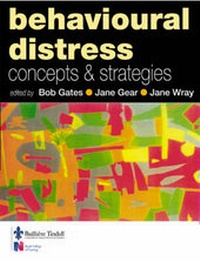
Behavioural Distress
Concepts and Strategies
Published on 12. July 2000
Book
Paperback/Softback
328 pages
978-0-7020-2415-3 (ISBN)
Description
Many people find themselves without the experience or skills to deal with individuals with behaviour they do not like or find threatening. This much- needed new text provides insights and access to a range of therapeutic interventions.
The book is divided into three sections. The first provides theoretical background, addresses legal and ethical issues, and raises questions about the language we use to describe behaviour we find difficult to understand. This is followed by the main part of the book and descriptions of seven different approaches and interventions. The third section of the book discusses the problematic nature of evidence for choosing particular interventions and therapies.
Attractively presented, the book includes:
case studies
reader activities
lists of resources, such as annotated bibliographies, addresses of organisations and website addresses
This text will be of benefit to anyone working in health and social services, educational, and independent settings, as well as students, parents and carers.
Written and edited by an interdisciplinary group of expert contributors, this book provides a unique resource that details a wide range of therapeutic interventions in one text.Accessible exploration of what constitutes behavioural distress
Range of therapies covered includes arts therapies, gentle teaching, and behavioural interventions
Unique chapter on examining the evidence based for these therapies
Colour plate section
Case studies, reader activities and resource lists including web sites
The book is divided into three sections. The first provides theoretical background, addresses legal and ethical issues, and raises questions about the language we use to describe behaviour we find difficult to understand. This is followed by the main part of the book and descriptions of seven different approaches and interventions. The third section of the book discusses the problematic nature of evidence for choosing particular interventions and therapies.
Attractively presented, the book includes:
case studies
reader activities
lists of resources, such as annotated bibliographies, addresses of organisations and website addresses
This text will be of benefit to anyone working in health and social services, educational, and independent settings, as well as students, parents and carers.
Written and edited by an interdisciplinary group of expert contributors, this book provides a unique resource that details a wide range of therapeutic interventions in one text.Accessible exploration of what constitutes behavioural distress
Range of therapies covered includes arts therapies, gentle teaching, and behavioural interventions
Unique chapter on examining the evidence based for these therapies
Colour plate section
Case studies, reader activities and resource lists including web sites
More details
Language
English
Place of publication
London
United Kingdom
Publishing group
Elsevier Health Sciences
Target group
College/higher education
Health and social services, educational and independent settings, students, parents and carers.
Illustrations
35 ills.; Illustrations
Weight
6280 gr
ISBN-13
978-0-7020-2415-3 (9780702024153)
Copyright in bibliographic data and cover images is held by Nielsen Book Services Limited or by the publishers or by their respective licensors: all rights reserved.
Schweitzer Classification