

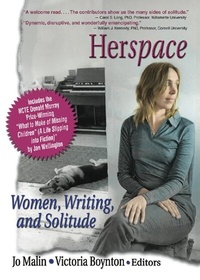
Herspace
Women, Writing, and Solitude
1st Edition
Will be published approx. on 1. July 2003
Book
Hardback
308 pages
978-0-7890-1819-9 (ISBN)
Description
This collection delves deeply into the power of solitude in a richly detailed exploration of the lives of women writers!
The essays in this fascinating volume combine literary theory, autobiography, performance, and criticism, while opening minds and expanding concepts of women's roles both in the home and within academia along the way. Herspace: Women, Writing, and Solitude begins with a discussion of the importance of solitude to the works of a variety of writers, including Margaret Atwood, May Sarton, Virginia Woolf, Marguerite Duras, and Zora Neale Hurston, and then moves on to an examination of the actual solitary spaces of women writers. The book concludes with the stories of modern women asserting their right to a space of their own. These essays, full of pain and new growth, lessons learned and battles fought, resound with the honesty and courage the authors have found in the process of truly making their own homes.
Herspace examines:
the stereotyped spinster
solitude as a process and a journey
women's prison literature
cars, empty nests, kitchen counters, and other found spaces for writing
the meaning of a home of one's own
creating beauty in solitary settings
Contributors to Herspace have made a conscious effort to integrate the personal with the academic, and the result is a volume of surprising intimacy, a window into the world of women writers past and present actively engaging solitude. From finding and defining the muse to the identity issues of home ownership, Herspace, which includes Jan Wellington's essay What to Make of Missing Children (A Life Slipping into Fiction), (winner of the 2003 NCTE Donald Murray Prize for the best creative essay about teaching and/or writing published during the preceding year) provides you with the perspectives of women who are living these issues.
As the editors write: The solitary space itself enables the writing process, protects it. And women, more than men, need this enabling protection. Women need to claim their own space, to bargain and plan and keep out of sight that solitary space in which to commune with their thoughts and feelings, to experience their creative process intimately. Herspace explores these women's experiences, revealing the unique creativity that comes from solitude.
The essays in this fascinating volume combine literary theory, autobiography, performance, and criticism, while opening minds and expanding concepts of women's roles both in the home and within academia along the way. Herspace: Women, Writing, and Solitude begins with a discussion of the importance of solitude to the works of a variety of writers, including Margaret Atwood, May Sarton, Virginia Woolf, Marguerite Duras, and Zora Neale Hurston, and then moves on to an examination of the actual solitary spaces of women writers. The book concludes with the stories of modern women asserting their right to a space of their own. These essays, full of pain and new growth, lessons learned and battles fought, resound with the honesty and courage the authors have found in the process of truly making their own homes.
Herspace examines:
the stereotyped spinster
solitude as a process and a journey
women's prison literature
cars, empty nests, kitchen counters, and other found spaces for writing
the meaning of a home of one's own
creating beauty in solitary settings
Contributors to Herspace have made a conscious effort to integrate the personal with the academic, and the result is a volume of surprising intimacy, a window into the world of women writers past and present actively engaging solitude. From finding and defining the muse to the identity issues of home ownership, Herspace, which includes Jan Wellington's essay What to Make of Missing Children (A Life Slipping into Fiction), (winner of the 2003 NCTE Donald Murray Prize for the best creative essay about teaching and/or writing published during the preceding year) provides you with the perspectives of women who are living these issues.
As the editors write: The solitary space itself enables the writing process, protects it. And women, more than men, need this enabling protection. Women need to claim their own space, to bargain and plan and keep out of sight that solitary space in which to commune with their thoughts and feelings, to experience their creative process intimately. Herspace explores these women's experiences, revealing the unique creativity that comes from solitude.
More details
Language
English
Place of publication
New York
United States
Publishing group
Taylor & Francis Inc
Target group
College/higher education
Dimensions
Height: 210 mm
Width: 148 mm
Weight
612 gr
ISBN-13
978-0-7890-1819-9 (9780789018199)
Copyright in bibliographic data and cover images is held by Nielsen Book Services Limited or by the publishers or by their respective licensors: all rights reserved.
Schweitzer Classification
Other editions
Additional editions
E-Book
02/2014
1st Edition
Routledge
€31.49
Available for download
E-Book
02/2014
1st Edition
Routledge
€31.49
Available for download
Book
06/2003
1st Edition
Routledge
€47.27
Shipment within 10-20 days
Persons
J Dianne Garner, Victoria Boynton, Jo Malin
Content
About the Editors
Contributors
Acknowledgments
Introduction
Section I: Women Theorizing HerspaceSolitude and Writing
1. Women Alone: The Spinster's Art
2. With Sure and Uncertain Footing: Negotiating the Terrain of a Solitude in May Sarton's Journals
3. Unknown Women: Secular Solitude in the Works of Alice Koller and May Sarton
4. A Veritable Guest to Her Own Self
5. Woolf, Hurston, and the House of Self
6. The Domestic Politics of Marguerite Duras
Section II: Women's Writing SpacesSolitude and the Creative Process
7. Writing Women, Solitary Space, and the Ideology of Domesticity
8. Car, Kitchen, Canyon: Mother Writing
9. Between the Study and the Living Room: Writing Alone and with Others
Section III: Women Writing HerspacePersonal Takes on Home
10. What to Make of Missing Children (A Life Slipping into Fiction)
11. The Little Gray House and Me
12. The Colors and the Light
13. A Woman's Place
14. Reframing My Life
15. An &/or Peace Performance
Afterword
Contributors
Acknowledgments
Introduction
Section I: Women Theorizing HerspaceSolitude and Writing
1. Women Alone: The Spinster's Art
2. With Sure and Uncertain Footing: Negotiating the Terrain of a Solitude in May Sarton's Journals
3. Unknown Women: Secular Solitude in the Works of Alice Koller and May Sarton
4. A Veritable Guest to Her Own Self
5. Woolf, Hurston, and the House of Self
6. The Domestic Politics of Marguerite Duras
Section II: Women's Writing SpacesSolitude and the Creative Process
7. Writing Women, Solitary Space, and the Ideology of Domesticity
8. Car, Kitchen, Canyon: Mother Writing
9. Between the Study and the Living Room: Writing Alone and with Others
Section III: Women Writing HerspacePersonal Takes on Home
10. What to Make of Missing Children (A Life Slipping into Fiction)
11. The Little Gray House and Me
12. The Colors and the Light
13. A Woman's Place
14. Reframing My Life
15. An &/or Peace Performance
Afterword