

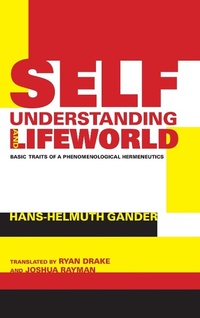
Self-Understanding and Lifeworld
Basic Traits of a Phenomenological Hermeneutics
Published on 28. August 2017
Book
Hardback
430 pages
978-0-253-02555-5 (ISBN)
Description
What are the foundations of human self-understanding and the value of responsible philosophical questioning? Focusing on Heidegger's early work on facticity, historicity, and the phenomenological hermeneutics of factical-historical life, Hans-Helmuth Gander develops an idea of understanding that reflects our connection with the world and other, and thus invites deep consideration of phenomenology, hermeneutics, and deconstruction. He draws usefully on Husserl's phenomenology and provides grounds for exchange with Descartes, Dilthey, Nietzsche, Gadamer, Ricoeur, and Foucault. On the way to developing a contemporary hermeneutical philosophy, Gander clarifies the human relation to self in and through conversation with Heidegger's early hermeneutics. Questions about reading and writing then follow as these are the very actions that structure human self-understanding and world understanding.
Reviews / Votes
"Gander's Self-Understanding and Lifeworld is an eminent text within contemporary Continental philosophy. An English translation is essential and Ryan Drake and Joshua Rayman have done an admirable job preserving the style of the German." -Lawrence K. Schmidt, author of Understanding HermeneuticsMore details
Series
Language
English
Place of publication
Bloomington, IN
United States
Target group
Professional and scholarly
Product notice
Paper over boards
Dimensions
Height: 235 mm
Width: 157 mm
Thickness: 30 mm
Weight
827 gr
ISBN-13
978-0-253-02555-5 (9780253025555)
Copyright in bibliographic data and cover images is held by Nielsen Book Services Limited or by the publishers or by their respective licensors: all rights reserved.
Schweitzer Classification
Other editions
Additional editions
E-Book
06/2017
1st Edition
Indiana University Press
from
€60.09
Available for download
Persons
Hans-Helmuth Gander is Professor of Philosophy and Director of the Husserl Archive at the University of Freiburg.
Ryan Drake is Associate Professor of Philosophy at Fairfield University in Connecticut. He specializes in 20th century European philosophy and ancient philosophy.
Joshua Rayman is Assistant Professor of Philosophy at the University of South Florida. He is author of Kant on Sublimity and Morality.
Ryan Drake is Associate Professor of Philosophy at Fairfield University in Connecticut. He specializes in 20th century European philosophy and ancient philosophy.
Joshua Rayman is Assistant Professor of Philosophy at the University of South Florida. He is author of Kant on Sublimity and Morality.
Content
Translators' Introduction
Foreword
Introduction
1. Exposition of the Connection Between Self-Being, Lifeworld, and History
2. Conception and Outline of the Treatise with an Excursis on the Paratextual Functions of Remarks
Part One. In the Network of Texts: Toward the Perspective Character of Understanding
3. Inception and Beginning: Toward a Fore-Structure of Understanding
4. Approaching the Question of Interpretation: On the Relation of "Author-Text-Reader"
5. On the Relation of Writing and Reading to Self-Formation
6. The Text as a Connection of Sense in the Horizon of the Occurrence of Tradition as Effective History
7. In the Governing Network of Discourse
8. The Sense-Creating Potential of Texts: The Modification of the World
9. Excursis on the Metaphor of the "Book of the World"
10. In the Network of Tradition: On Understanding as an Incursion into the Current of Texts
11. On the Interpretive Character of Knowledge in the Wake of the Historicity of Understanding
12. Parenthesis on the Discourse of Metaphysics "as such" as a Problem of an Epochal Revaluation in View of a Signature of the Present
13. Critical Remarks on the Concept of an Absolute Reason
Part Two. I and World: The Question Concerning the Ground of Philosophy
Chapter One. On the Search for the Certainty of the I
14. Toward the Task of a Hermeneutical Interpretation of the Concept and its Relation to Everyday Experience: An Approximation
15. Wonder and Doubt: On the Entry-Point of Philosophical Reflection
16. Under the Spell of Certainty: Descartes' Self-Certainty of the 'I am' as a Hermeneutical Problem
17. The Ontological Positioning of the Cartesian Ego Between Acquisition of the Self and Loss of the World
Chapter Two. On Life in Lifeworlds: Critical Considerations of Husserl's Phenomenology of the Lifeworld
18. The Concept of 'Lifeworld' as an Indication of the Problem
19. Husserl's Recourse to as an "Irruption into the Theoretical Attitude"
20. The Problem of Objectivism in the Tension Between and
21. Toward a Philosophical Thematization of Natural Life-in-the-World
22. On Husserl's Transcendental Self-Grounding of Philosophy with a View to the Question of the World
23. Husserl's Application of the Task of a Lifeworldly Ontology
24. The Function of History in Husserl's Transcendental-Phenomenological Conception
Part Three. Self-Understanding and the Historical World: Basic Traits of a Hermeneutical Ontology of Facticity
Chapter One. The Hermeneutical Turn: Heidegger's Critical Dialogue with Husserlian Phenomenology
25. Husserl versus Heidegger: On Situating their Disagreement
26. The Hermeneutical Stance on a Second View
27. The 'Blind Spot' in the Phenomenological Eye: Heidegger's Critique of Husserl with a View to the Structure of Care
a. Phenomenological Maxims of Research and Cognitive Intention
b. The 'Actual Things of Philosophy': The Being of the Human
28. The Metamorphosis of Phenomenology into the Hermeneutical
a. In Connection with the Tendencies of Lebensphilosophie
b. The Hermeneutical Approach in Pre-Theoretical Life
c. The New Hermeneutical Accentuation of Phenomenology
29. The Function and Relation of the Hermeneutical Ontology of Facticity, Fundamental Ontology, and Metontology
30. Aspects of a Contemporary Philosophical Situating of the Discourse on Facticity
Chapter Two. The Experiental Structure of the Self: Toward a Hermeneutics of Factical Historical Life
31. The Leap into the World: On Outlining the Factical-Hermeneutical Concept of Experience
32. Analysis of Environmental Experience
33. Remarks on the Problematic of the Foreign
34. The Self-World as the Center of Life-Relations
35. The Having-of-Oneself within the Field of Tension between Winning and Losing Oneself
36. The Structure of the Self as a Function of Life-Experience
37. On the Status of a Hermeneutics of Facticity as Ontological Hermeneutics
Chapter Three. Application-Destruktion-History: Hermeneutical Sketches of a Philosophy of the Situation
38. Hermeneutical Application
39. The Critical Sense: On the Task of Phenomenological Destruktion
40. History as the Organon of Understanding Life
Open End
41. Retrospective Reflections on the World-Conceptual Relevance of a Hermeneutics of Facticity
Bibliography
Foreword
Introduction
1. Exposition of the Connection Between Self-Being, Lifeworld, and History
2. Conception and Outline of the Treatise with an Excursis on the Paratextual Functions of Remarks
Part One. In the Network of Texts: Toward the Perspective Character of Understanding
3. Inception and Beginning: Toward a Fore-Structure of Understanding
4. Approaching the Question of Interpretation: On the Relation of "Author-Text-Reader"
5. On the Relation of Writing and Reading to Self-Formation
6. The Text as a Connection of Sense in the Horizon of the Occurrence of Tradition as Effective History
7. In the Governing Network of Discourse
8. The Sense-Creating Potential of Texts: The Modification of the World
9. Excursis on the Metaphor of the "Book of the World"
10. In the Network of Tradition: On Understanding as an Incursion into the Current of Texts
11. On the Interpretive Character of Knowledge in the Wake of the Historicity of Understanding
12. Parenthesis on the Discourse of Metaphysics "as such" as a Problem of an Epochal Revaluation in View of a Signature of the Present
13. Critical Remarks on the Concept of an Absolute Reason
Part Two. I and World: The Question Concerning the Ground of Philosophy
Chapter One. On the Search for the Certainty of the I
14. Toward the Task of a Hermeneutical Interpretation of the Concept and its Relation to Everyday Experience: An Approximation
15. Wonder and Doubt: On the Entry-Point of Philosophical Reflection
16. Under the Spell of Certainty: Descartes' Self-Certainty of the 'I am' as a Hermeneutical Problem
17. The Ontological Positioning of the Cartesian Ego Between Acquisition of the Self and Loss of the World
Chapter Two. On Life in Lifeworlds: Critical Considerations of Husserl's Phenomenology of the Lifeworld
18. The Concept of 'Lifeworld' as an Indication of the Problem
19. Husserl's Recourse to as an "Irruption into the Theoretical Attitude"
20. The Problem of Objectivism in the Tension Between and
21. Toward a Philosophical Thematization of Natural Life-in-the-World
22. On Husserl's Transcendental Self-Grounding of Philosophy with a View to the Question of the World
23. Husserl's Application of the Task of a Lifeworldly Ontology
24. The Function of History in Husserl's Transcendental-Phenomenological Conception
Part Three. Self-Understanding and the Historical World: Basic Traits of a Hermeneutical Ontology of Facticity
Chapter One. The Hermeneutical Turn: Heidegger's Critical Dialogue with Husserlian Phenomenology
25. Husserl versus Heidegger: On Situating their Disagreement
26. The Hermeneutical Stance on a Second View
27. The 'Blind Spot' in the Phenomenological Eye: Heidegger's Critique of Husserl with a View to the Structure of Care
a. Phenomenological Maxims of Research and Cognitive Intention
b. The 'Actual Things of Philosophy': The Being of the Human
28. The Metamorphosis of Phenomenology into the Hermeneutical
a. In Connection with the Tendencies of Lebensphilosophie
b. The Hermeneutical Approach in Pre-Theoretical Life
c. The New Hermeneutical Accentuation of Phenomenology
29. The Function and Relation of the Hermeneutical Ontology of Facticity, Fundamental Ontology, and Metontology
30. Aspects of a Contemporary Philosophical Situating of the Discourse on Facticity
Chapter Two. The Experiental Structure of the Self: Toward a Hermeneutics of Factical Historical Life
31. The Leap into the World: On Outlining the Factical-Hermeneutical Concept of Experience
32. Analysis of Environmental Experience
33. Remarks on the Problematic of the Foreign
34. The Self-World as the Center of Life-Relations
35. The Having-of-Oneself within the Field of Tension between Winning and Losing Oneself
36. The Structure of the Self as a Function of Life-Experience
37. On the Status of a Hermeneutics of Facticity as Ontological Hermeneutics
Chapter Three. Application-Destruktion-History: Hermeneutical Sketches of a Philosophy of the Situation
38. Hermeneutical Application
39. The Critical Sense: On the Task of Phenomenological Destruktion
40. History as the Organon of Understanding Life
Open End
41. Retrospective Reflections on the World-Conceptual Relevance of a Hermeneutics of Facticity
Bibliography