

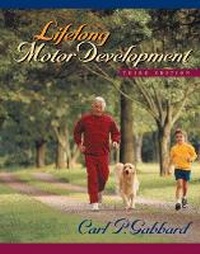
Lifelong Motor Development
3rd Edition
Published on 15. December 1999
Book
Hardback
444 pages
978-0-205-30889-7 (ISBN)
Description
This book explores the fascinating subject of motor development from birth through adulthood. The most comprehensive and up-to-date, scientifically based text available, Lifelong Motor Development, Third Edition, reviews the latest theory and research to help students understand physical growth and motor development across the lifespan. The nature/nurture theme pervades the text, stimulating critical thinking and giving the student an exciting perspective with which to consider the biological and environmental influences on the various aspects of motor development.
More details
Edition
3rd edition
Language
English
Place of publication
United States
Publishing group
Pearson Education (US)
Target group
Professional and scholarly
Dimensions
Height: 240 mm
Width: 197 mm
Thickness: 25 mm
Weight
897 gr
ISBN-13
978-0-205-30889-7 (9780205308897)
Copyright in bibliographic data and cover images is held by Nielsen Book Services Limited or by the publishers or by their respective licensors: all rights reserved.
Schweitzer Classification
Other editions
New editions
Carl P. Gabbard
Lifelong Motor Development
Book
05/2003
4th Edition
Pearson Education (US)
€81.89
Article exhausted; check for reprint
Content
Each chapter ends with "Summary," "Think About It," and "Suggested Readings." I.AN OVERVIEW OF LIFELONG HUMAN DEVELOPMENT.
1.Introduction to the Developmental Perspective.
General Terminology.
Significant Observations (Assumptions) about Development.
Periods of Life-Span Development.
The Developmental Continuum.
Research in Motor Development.
Theoretical Views.
Careers in Motor Development.
II.BIOLOGICAL GROWTH AND DEVELOPMENT.
2.Heredity and Neurological Changes.
Heredity.
Neurological Changes.
3.Physical Growth Changes.
An Overview of Physical Growth and Development.
Changes in Body Proportions and Physique.
Structural Development.
Body Mass.
Maturity Estimates.
Maturity Variations.
Implications for Motor Performance.
4.Physiological Changes.
Cardiorespiratory Development.
Blood Characteristics.
Basal Metabolic Rate.
Muscular Strength.
Flexibility.
Changes with Aging.
5.Factors Affecting Growth and Development.
Prenatal Development.
Nutrition and Physical Activity during Postnatal Development.
Glands and Hormonal Activity.
III.PERCEPTION AND INFORMATION PROCESSING.
6.Perceptual Development.
Visual Perception.
Kinesthetic Perception.
Auditory Perception.
Tactile Perception.
Perceptual Integration.
Changes with Aging.
Theoretical Viewpoints.
7.Information Processing and Motor Control.
Attention.
Memory.
Processing Speed and Movement Time.
Programming.
Changes with Aging.
IV.MOTOR BEHAVIOR ACROSS THE LIFE SPAN.
8.Early Movement Behavior.
Reflexive Behavior.
Spontaneous Movements (Stereotypies).
Rudimentary Behavior.
9.Motor Behavior during Early Childhood.
Fundamental Motor Skill Development.
Movement Patterns (Process Characteristics).
Fine Motor Manipulative Behavior.
Functional (Motor) Asymmetries.
10.Motor Behavior during Later Childhood and Adolescence.
Bases for Age- and Sex-Related Quantitative (Product) Motor Performance.
Quantitative (Product) Changes in Motor Performance.
Motor Skill Refinement.
11.Motor Behavior in the Adult Years.
Peak Motor Performance.
Regression.
Physical Activity and Longevity.
V.ASSESSMENT.
12.Assessment.
Basic Terminology of Assessment.
Purposes of Assessment.
Considerations for Proper Assessment.
Assessment Instruments.
VI.SOCIOCULTURAL INFLUENCES ON MOTOR DEVELOPMENT.
13.Sociocultural Influences on Motor Development.
Basic Terminology of Socialization.
Socializing Processes and Agents.
Primary Influences during Childhood and Adolescence.
Primary Influences during Adulthood.
Appendix.
References.
Credits.
Index.
1.Introduction to the Developmental Perspective.
General Terminology.
Significant Observations (Assumptions) about Development.
Periods of Life-Span Development.
The Developmental Continuum.
Research in Motor Development.
Theoretical Views.
Careers in Motor Development.
II.BIOLOGICAL GROWTH AND DEVELOPMENT.
2.Heredity and Neurological Changes.
Heredity.
Neurological Changes.
3.Physical Growth Changes.
An Overview of Physical Growth and Development.
Changes in Body Proportions and Physique.
Structural Development.
Body Mass.
Maturity Estimates.
Maturity Variations.
Implications for Motor Performance.
4.Physiological Changes.
Cardiorespiratory Development.
Blood Characteristics.
Basal Metabolic Rate.
Muscular Strength.
Flexibility.
Changes with Aging.
5.Factors Affecting Growth and Development.
Prenatal Development.
Nutrition and Physical Activity during Postnatal Development.
Glands and Hormonal Activity.
III.PERCEPTION AND INFORMATION PROCESSING.
6.Perceptual Development.
Visual Perception.
Kinesthetic Perception.
Auditory Perception.
Tactile Perception.
Perceptual Integration.
Changes with Aging.
Theoretical Viewpoints.
7.Information Processing and Motor Control.
Attention.
Memory.
Processing Speed and Movement Time.
Programming.
Changes with Aging.
IV.MOTOR BEHAVIOR ACROSS THE LIFE SPAN.
8.Early Movement Behavior.
Reflexive Behavior.
Spontaneous Movements (Stereotypies).
Rudimentary Behavior.
9.Motor Behavior during Early Childhood.
Fundamental Motor Skill Development.
Movement Patterns (Process Characteristics).
Fine Motor Manipulative Behavior.
Functional (Motor) Asymmetries.
10.Motor Behavior during Later Childhood and Adolescence.
Bases for Age- and Sex-Related Quantitative (Product) Motor Performance.
Quantitative (Product) Changes in Motor Performance.
Motor Skill Refinement.
11.Motor Behavior in the Adult Years.
Peak Motor Performance.
Regression.
Physical Activity and Longevity.
V.ASSESSMENT.
12.Assessment.
Basic Terminology of Assessment.
Purposes of Assessment.
Considerations for Proper Assessment.
Assessment Instruments.
VI.SOCIOCULTURAL INFLUENCES ON MOTOR DEVELOPMENT.
13.Sociocultural Influences on Motor Development.
Basic Terminology of Socialization.
Socializing Processes and Agents.
Primary Influences during Childhood and Adolescence.
Primary Influences during Adulthood.
Appendix.
References.
Credits.
Index.