

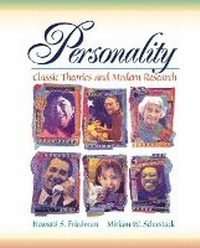
Personality
Classic Theories and Modern Research
Published on 9. November 1998
Book
Hardback
566 pages
978-0-205-13953-8 (ISBN)
Description
This innovative text bridges the traditional theories approach to personality and the newer research-oriented approach. Combining scientific rigor with literary style, the distinguished authors show how classic theories form the basis for modern personality concepts and research. The strengths and limits of each perspective are thus revealed. Scientific integration of cross-cultural and gender issues, as well as applications to society, provide a challenging view that fascinates students and provokes critical thinking. Friedman and Schustack present a coherent picture built on eight basic perspectives of personality, which provide historical framework, judicious analysis, and modern implications. As the text proceeds through ten basic chapters and five creative applied chapters, the authors emphasize scientific evaluation, theoretical integration, and societal relevance. Incentive teaching features range from thought-provoking vignettes about pop figures like Madonna to speculations about efforts to create designer personalities.
More details
Language
English
Place of publication
United States
Publishing group
Pearson Education (US)
Target group
Professional and scholarly
Dimensions
Height: 242 mm
Width: 195 mm
Thickness: 31 mm
Weight
1113 gr
ISBN-13
978-0-205-13953-8 (9780205139538)
Copyright in bibliographic data and cover images is held by Nielsen Book Services Limited or by the publishers or by their respective licensors: all rights reserved.
Schweitzer Classification
Other editions
New editions
Howard S. Friedman | Miriam W. Schustack
Personality
Classic Theories and Modern Research: United States Edition
Book
09/2002
2nd Edition
Pearson
€96.87
Article exhausted; check for reprint
Content
Most chapters conclude with "Summary and Conclusion."
1.What Is Personality?
Personality and Science.
Preview of the Perspectives.
A Brief History of Personality Psychology.
Some Basic Issues: The Unconscious, the Self, Uniqueness, Gender, Situations, Culture.
Personality in Context.
2.How is Personality Studied and Assessed?
Measuring Personality: The Case of Personal Charisma.
Varieties of Personality Measures.
How Not to Test Personality.
The Ethics of Personality Testing.
3.Psychoanalytic Aspects of Personality.
Basic Psychoanalytic Concepts.
Psychosexual Development.
Male versus Female.
Defense Mechanisms.
Cross-Cultural Issues.
Major Contributions and Limitations of Freudian Psychoanalysis.
Modern Developments from Experimental Psychology.
4.Neo-Analytic and Ego Aspects of Personality: Identity.
Carl G. Jung and Selfhood.
Alfred Adler, the Inferiority Complex, and the Importance of Society.
Karen Horney, Culture, and Feminism.
Other Bridges from Freud to More Modern Conceptions.
Erik Erikson, Life Span Identity, and Identity Crises.
Some Modern Approaches to Identity.
5.Biological Aspects of Personality.
Genetic Effects through Temperament.
Schizophrenia.
Homosexuality.
Mediated Effects of Biology.
Effects from Creation of Environments.
Effects from Reactions of Others.
Personality and Public Policy.
6.Behaviorist and Learning Aspects of Personality.
The Classical Conditioning of Personality.
The Origins of Behaviorist Approaches: Watson's Behaviorism.
The Radical Behaviorism of B.F. Skinner.
Other Learning Approaches to Personality.
Evaluation.
7.Cognitive Aspects of Personality.
Roots of Cognitive Approaches.
Cognitive and Perceptual Mechanisms.
Humans as Scientists: George Kelly's Personal Construct Theory.
Social Intelligence.
Explanatory Style as a Personality Variable.
Julian Rotter's Locus of Control Approach.
Albert Bandura's Social-Cognitive Learning Theory.
Humans as Computers.
8.Trait and Skill Aspects of Personality.
The History of Trait Approaches.
A Contemporary Trait Approach: The Big Five.
Consensus in Personality Judgments.
Types.
Motives.
Expressive Style.
Skills.
9.Humanistic and Existential Aspects of Personality.
Existentialism.
Humanism.
Love as a Central Focus of Life: Erich Fromm.
Responsibility: Carl Rogers.
Anxiety and Dread.
Self-Actualization.
Further Evaluation of Existential-Humanistic Approaches.
10.Person-Situation Interactionist Aspects of Personality.
Harry Stack Sullivan: Interpersonal Psychiatry.
Motivation and Goals: Henry Murray.
Modern Interactionist Approaches Begin.
Implicit Personality Theory.
The Power of Situations.
Time.
Interactions, Emotions, and Development.
11.Male-Female Differences.
Do Males and Females Differ?
A Brief History of Gender Difference in Personality.
Biological Influences on Gender Differences.
Gender Differences in Personality from the Eight Perspectives.
Cross-Cultural Studies of Gender Differences.
Love and Sexual Behavior.
12.Stress, Adjustment, and Health Differences.
Disease-Prone Personalities.
Personality and Coronary-Proneness.
The Human Termites.
Blaming the Victim.
The Self-Healing Personality.
The Influence of Humanistic and Existential Aspects on Understanding of Self-Healing.
13.Cultural and Ethnic Differences.
Layers of Group Influence.
History of Research on Personality and Culture.
Socioeconomic Influences on Personality.
Karl Marx and Alienation.
Language as a Cultural Influence.
Culture and Testing.
A More General Model of Personality and Culture.
14.Love and Hate.
The Personality of Hate.
Explanations of Hate: The Different Perspectives.
Evaluation: Hate.
The Personality of Love.
Where Has Love Gone?
15. Where Will We Find Personality?
The Brave New World of Personality.
The Eight Perspectives Revisited.
1.What Is Personality?
Personality and Science.
Preview of the Perspectives.
A Brief History of Personality Psychology.
Some Basic Issues: The Unconscious, the Self, Uniqueness, Gender, Situations, Culture.
Personality in Context.
2.How is Personality Studied and Assessed?
Measuring Personality: The Case of Personal Charisma.
Varieties of Personality Measures.
How Not to Test Personality.
The Ethics of Personality Testing.
3.Psychoanalytic Aspects of Personality.
Basic Psychoanalytic Concepts.
Psychosexual Development.
Male versus Female.
Defense Mechanisms.
Cross-Cultural Issues.
Major Contributions and Limitations of Freudian Psychoanalysis.
Modern Developments from Experimental Psychology.
4.Neo-Analytic and Ego Aspects of Personality: Identity.
Carl G. Jung and Selfhood.
Alfred Adler, the Inferiority Complex, and the Importance of Society.
Karen Horney, Culture, and Feminism.
Other Bridges from Freud to More Modern Conceptions.
Erik Erikson, Life Span Identity, and Identity Crises.
Some Modern Approaches to Identity.
5.Biological Aspects of Personality.
Genetic Effects through Temperament.
Schizophrenia.
Homosexuality.
Mediated Effects of Biology.
Effects from Creation of Environments.
Effects from Reactions of Others.
Personality and Public Policy.
6.Behaviorist and Learning Aspects of Personality.
The Classical Conditioning of Personality.
The Origins of Behaviorist Approaches: Watson's Behaviorism.
The Radical Behaviorism of B.F. Skinner.
Other Learning Approaches to Personality.
Evaluation.
7.Cognitive Aspects of Personality.
Roots of Cognitive Approaches.
Cognitive and Perceptual Mechanisms.
Humans as Scientists: George Kelly's Personal Construct Theory.
Social Intelligence.
Explanatory Style as a Personality Variable.
Julian Rotter's Locus of Control Approach.
Albert Bandura's Social-Cognitive Learning Theory.
Humans as Computers.
8.Trait and Skill Aspects of Personality.
The History of Trait Approaches.
A Contemporary Trait Approach: The Big Five.
Consensus in Personality Judgments.
Types.
Motives.
Expressive Style.
Skills.
9.Humanistic and Existential Aspects of Personality.
Existentialism.
Humanism.
Love as a Central Focus of Life: Erich Fromm.
Responsibility: Carl Rogers.
Anxiety and Dread.
Self-Actualization.
Further Evaluation of Existential-Humanistic Approaches.
10.Person-Situation Interactionist Aspects of Personality.
Harry Stack Sullivan: Interpersonal Psychiatry.
Motivation and Goals: Henry Murray.
Modern Interactionist Approaches Begin.
Implicit Personality Theory.
The Power of Situations.
Time.
Interactions, Emotions, and Development.
11.Male-Female Differences.
Do Males and Females Differ?
A Brief History of Gender Difference in Personality.
Biological Influences on Gender Differences.
Gender Differences in Personality from the Eight Perspectives.
Cross-Cultural Studies of Gender Differences.
Love and Sexual Behavior.
12.Stress, Adjustment, and Health Differences.
Disease-Prone Personalities.
Personality and Coronary-Proneness.
The Human Termites.
Blaming the Victim.
The Self-Healing Personality.
The Influence of Humanistic and Existential Aspects on Understanding of Self-Healing.
13.Cultural and Ethnic Differences.
Layers of Group Influence.
History of Research on Personality and Culture.
Socioeconomic Influences on Personality.
Karl Marx and Alienation.
Language as a Cultural Influence.
Culture and Testing.
A More General Model of Personality and Culture.
14.Love and Hate.
The Personality of Hate.
Explanations of Hate: The Different Perspectives.
Evaluation: Hate.
The Personality of Love.
Where Has Love Gone?
15. Where Will We Find Personality?
The Brave New World of Personality.
The Eight Perspectives Revisited.