


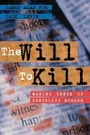
The Will to Kill
Making Sense of Senseless Murder
2nd Edition
Published on 2. September 2004
Book
Paperback/Softback
240 pages
978-0-205-41880-0 (ISBN)
Description
This brief but comprehensive book explores power and control as a central and unifying thesis for understanding why people kill. Each chapter explores different sub-types of homicide and the circumstances in which people kill each other. The authors concentrate on the extraordinary and seemingly inexplicable cases with the belief that the lessons learned from examining senseless and outrageous murders can be extrapolated to more ordinary homicides as well.
More details
Edition
2nd edition
Language
English
Place of publication
United States
Publishing group
Pearson Education (US)
Target group
Professional and scholarly
Dimensions
Height: 235 mm
Width: 178 mm
Weight
449 gr
ISBN-13
978-0-205-41880-0 (9780205418800)
Copyright in bibliographic data and cover images is held by Nielsen Book Services Limited or by the publishers or by their respective licensors: all rights reserved.
Schweitzer Classification
Other editions
New editions

Book
08/2007
3rd Edition
Pearson
€48.46
Article exhausted; check for reprint
Previous edition
Book
08/2000
Pearson
€39.80
Article exhausted; check for reprint
Content
Preface.
About the Authors.
1. The Lure and the Law of Homicide.
Fascination with Murder.
Homicide Law.
Murder.
Manslaughter.
Defenses to Criminal Homicide.
Homicide Law in Practice.
2. Explaining Murder.
The Devil Made Me Do It.
Back to the Classics.
Using Science to Explain Violence.
Biology Then and Now.
Psychological Causes of Violence.
The Social Sources of Murder.
Strain, Frustration, and Murder.
Cultural Deviance.
Learning to Kill.
Self-Control, Social Control, and Murder.
A Word of Caution about Cause.
3. The Killers and Their Victims.
Race Differences.
Gender Differences.
Age Differences.
Differences by Location.
4. Intimate and Family Murder.
Killing for Profit.
Obsession and Jealousy.
Power, Control, and Abuse.
Family Annihilation.
Infanticide.
Killing for Love?
5. The Coming and Going of the Young Superpredators.
The Epidemic of Youth Homicide.
Explaining the 1990s Decline.
Selling Evil.
Looking Ahead.
6. Well-Schooled in Murder.
Blaming Parents.
Copycat Shootings.
Explaining School Massacres.
Responses to School Shootings.
Healthy and Safe Schools.
7. Serial Killers.
A Profile of Serial Killers.
The Murdering Mind.
Childhood Origins.
8. Medical Murder.
Counting Medical Murders.
Motives and Types of Medical Murderers.
Administrative Facilitators.
Munchausen Syndrome By Proxy.
Prevention and Interventions.
9. Rampage.
Methodical and Selective.
Losses and Frustrations.
Profile of the Workplace Avenger.
Murderous Customers and Clients.
10. Hate Homicide.
Characteristics of Hate Murders.
Types of Hate Murders.
Organized Hate Groups.
Hate Crime Laws.
11. Murderous Terror.
Hate Homicide and Terrorism.
International Terrorism.
Homegrown Terrorism.
Left-Wing vs. Right-Wing Terrorists.
The Impact of Murderous Terror.
12. Cult Killings.
Dangerous Cults.
The Appeal of Cults.
Charismatic Leaders and Their Followers.
Needs Filled by Cults.
Normal People in Abnormal Situations.
Suicide or Homicide?
13. Catching Killers
"The Silence of the Lambs."
Clearance Rates.
VICAP and Profiling.
Sightings and Visions.
Working a Homicide in the Media Spotlight.
14. Getting Away with Murder, Or Not.
The Insanity Defense.
Justice for Juveniles.
Capital Punishment.
Epidemic Thinking and Over-Response.
Suggested Readings.
Appendix: A Note About Data Sources.
Index.
About the Authors.
1. The Lure and the Law of Homicide.
Fascination with Murder.
Homicide Law.
Murder.
Manslaughter.
Defenses to Criminal Homicide.
Homicide Law in Practice.
2. Explaining Murder.
The Devil Made Me Do It.
Back to the Classics.
Using Science to Explain Violence.
Biology Then and Now.
Psychological Causes of Violence.
The Social Sources of Murder.
Strain, Frustration, and Murder.
Cultural Deviance.
Learning to Kill.
Self-Control, Social Control, and Murder.
A Word of Caution about Cause.
3. The Killers and Their Victims.
Race Differences.
Gender Differences.
Age Differences.
Differences by Location.
4. Intimate and Family Murder.
Killing for Profit.
Obsession and Jealousy.
Power, Control, and Abuse.
Family Annihilation.
Infanticide.
Killing for Love?
5. The Coming and Going of the Young Superpredators.
The Epidemic of Youth Homicide.
Explaining the 1990s Decline.
Selling Evil.
Looking Ahead.
6. Well-Schooled in Murder.
Blaming Parents.
Copycat Shootings.
Explaining School Massacres.
Responses to School Shootings.
Healthy and Safe Schools.
7. Serial Killers.
A Profile of Serial Killers.
The Murdering Mind.
Childhood Origins.
8. Medical Murder.
Counting Medical Murders.
Motives and Types of Medical Murderers.
Administrative Facilitators.
Munchausen Syndrome By Proxy.
Prevention and Interventions.
9. Rampage.
Methodical and Selective.
Losses and Frustrations.
Profile of the Workplace Avenger.
Murderous Customers and Clients.
10. Hate Homicide.
Characteristics of Hate Murders.
Types of Hate Murders.
Organized Hate Groups.
Hate Crime Laws.
11. Murderous Terror.
Hate Homicide and Terrorism.
International Terrorism.
Homegrown Terrorism.
Left-Wing vs. Right-Wing Terrorists.
The Impact of Murderous Terror.
12. Cult Killings.
Dangerous Cults.
The Appeal of Cults.
Charismatic Leaders and Their Followers.
Needs Filled by Cults.
Normal People in Abnormal Situations.
Suicide or Homicide?
13. Catching Killers
"The Silence of the Lambs."
Clearance Rates.
VICAP and Profiling.
Sightings and Visions.
Working a Homicide in the Media Spotlight.
14. Getting Away with Murder, Or Not.
The Insanity Defense.
Justice for Juveniles.
Capital Punishment.
Epidemic Thinking and Over-Response.
Suggested Readings.
Appendix: A Note About Data Sources.
Index.