

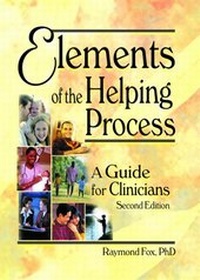
Elements of the Helping Process
A Guide for Clinicians
2nd Edition
Published on 19. October 2001
Book
Hardback
338 pages
978-0-7890-0903-6 (ISBN)
Description
Bridge the gulf between theoretical science and clinical application!This new edition of Elements of the Helping Process is a practical guide filled with novel ideas and innovative methods for tailoring the helping process to meet clients'special needs. Every chapter of the original edition has been updated, and new chapters in this edition discuss resiliency and its clinical enhancement; trauma and its impact on both clients and clinicians; and practice evaluation processes. The down-to-earth advice in this book draws upon both theoretical foundations and practical techniques and integrates individual and family approaches to assessment and intervention. With common sense and minimal professional jargon, this book will show you how to customize social work to the needs of the client, highlighting components such as writing, developing family trees, and creating logs and profiles. Elements of the Helping Process, Second Edition, provides practical guidelines, systematic directions, and suggestions for actively responding to clients and their needs. Here you'll find detailed descriptions of steps to follow for each phase of the helping process. Use this invaluable synthesis of theories, strategies, and techniques to create a climate of trust and to match assessment and intervention with the unique goals of your clients.This valuable book contains thoughtful, insightful discussions of:
a paradigm that emphasizes the health and strengths of the client
attachment behavior and empathy
creating a safehouse
seven levels of helping relationships
what to expect from clients at first contact (with a helpful checklist to guide you in assessing first contacts)
the importance and process of assessment
clients, goals, and contracting
guidelines for discovering and capturing a client's life story
the benefits of logging and guidelines for using a log
the power of metaphor
the process of termination; how to know when a client is ready
and much, much more!
In contrast to guides based strictly on orthodox theory, this user-friendly book bridges the gap between scientific theories and the day-to-day decisions facing clinicians, making it easy for professionals to apply these strategies to individual practices.
a paradigm that emphasizes the health and strengths of the client
attachment behavior and empathy
creating a safehouse
seven levels of helping relationships
what to expect from clients at first contact (with a helpful checklist to guide you in assessing first contacts)
the importance and process of assessment
clients, goals, and contracting
guidelines for discovering and capturing a client's life story
the benefits of logging and guidelines for using a log
the power of metaphor
the process of termination; how to know when a client is ready
and much, much more!
In contrast to guides based strictly on orthodox theory, this user-friendly book bridges the gap between scientific theories and the day-to-day decisions facing clinicians, making it easy for professionals to apply these strategies to individual practices.
More details
Edition
2nd New edition
Language
English
Place of publication
Binghamton
United States
Publishing group
Taylor & Francis Inc
Target group
College/higher education
Professional and scholarly
Edition type
New edition
Dimensions
Height: 216 mm
Width: 156 mm
Weight
680 gr
ISBN-13
978-0-7890-0903-6 (9780789009036)
Copyright in bibliographic data and cover images is held by Nielsen Book Services Limited or by the publishers or by their respective licensors: all rights reserved.
Schweitzer Classification
Other editions
New editions
Book
05/2013
3rd Edition
Routledge
€188.00
Shipment within 15-20 days
Additional editions
Book
09/2001
2nd Edition
Haworth Press Inc
€64.56
Article exhausted; check for reprint
Previous edition

Book
05/1993
Haworth Press Inc
€64.57
Article exhausted; check for reprint
Person
Content
Contents
Part I. Establishing the Foundation for Effective Intervention
Chapter 1. To Do Our Work
What This Book Has to Offer?
General Outline
A Paradigm Emphasizing Client Health and Strengths
A Note About Theory, Client and You
Clinicians' Tasks in Phases of Clinical Work
Chapter 2. Creating a Safe House
The Safe House of the Helping Process
A View of Home
Attachment Behavior and Empathy
How to Build a Safe House
Four Paradoxes
Chapter 3. The Helping Relationship
The Development of the Helping Relationship
Theories of the Helping Relationship
Self-Awareness
Seven Levels of the Relationship
Relationship: Keystone of Helping
Chapter 4. When You Begin, Begin at the Beginning
Preparing for First Contacts
What You Can Expect from Clients in the First Contact
What Clients Expect from You
How to Approach the Initial Phase
When a Referral is Needed
A Checklist to Guide You in Assessing First Contacts
Part II. Configuring a Plan to Guide the Process
Chapter 5. Contracting Through Goal Setting
Collaborative Contracts
Basic Assumptions About Clients, Goals, and Contracting
Why Goals?
Procedure for Contracting
Outline for the Goal-Oriented Contract
Progressive Steps in the Contracting Process
Life-Preserving Contracts
Written or Oral Contracts
Barriers to Contracting
Advantages and Limitations of Contracting
Disadvantages of Contracting
A Final Note About Contracting
Chapter 6. Evaluating Client and Clinician Progress
Clinical Evaluation
Forms of Clinical Evaluation
Objective Designs for Client Evaluation
Subjective Designs for Self-Evaluation
Framework for Self Evaluation
Ways to Use Self-Evaluation
Chapter 7. Assessment: Learning from a Jigsaw Puzzle
Why Is Assessment Important?
What Assessment Is Not
Doing the Jigsaw Puzzle
The General Process of Assessment
What's in a Label?
The Standpoint of Strengths
Chapter 8. Resiliency: "Who Says I Can't?"
Sylvia's Story
Resiliency: Theory and Research
The First Chapters of Sylvia's Story
The End of Sylvia's Story
Reflections
Telling the World
Part III. Crafting the Structure for Strength and Support
Chapter 9. Models of Helping: Working with an Individual
Elaine's Story
The Psychodynamic Model of Individual Assessment and Intervention
The Existential Model of Individual Assessment and Intervention
The Behavior Model of Individual Assessment and Intervention
The DSM-IV and Individual Assessment
Other Dimensions in Assessment
An Integrated Approach
Is Anyone Healthy?
Chapter 10. Models of Helping: Working with a Family
Elaine's Family
Three Theoretical Contributions
The Psychoanalytic Perspective on the Family
The Structural Perspective on the Family
The Intergenerational Perspective on the Family
Common Elements in Family Approaches
An Integrated Perspective on Elaine's Family
Ten Key Factors in Integrated Family Assessment and Intervention
Family Health
Chapter 11. Clients Recommend Effective Ways to Treat Trauma
Understanding the Seeds of Unsuccessful Therapy
Four Traumatized Men
Reconnection
Other Survivors' Viewpoints
The Kernels of Successful Treatment
Part IV. Customizing and Culminating the Configuration for Stability and Growth
Chapter 12. Creative Ways of Capturing the Life Story
The Life Story
Guidelines for Discovering the Life Story
Two Creative Methods for Capturing the Life Story
Chapter 13. The Written Word: Enriching Your Work
Client Writing
Benefits of Logging
Guidelines for Using a Log
An Expanded Dimension of Client Writing
Your Own Writing
About Writ
Part I. Establishing the Foundation for Effective Intervention
Chapter 1. To Do Our Work
What This Book Has to Offer?
General Outline
A Paradigm Emphasizing Client Health and Strengths
A Note About Theory, Client and You
Clinicians' Tasks in Phases of Clinical Work
Chapter 2. Creating a Safe House
The Safe House of the Helping Process
A View of Home
Attachment Behavior and Empathy
How to Build a Safe House
Four Paradoxes
Chapter 3. The Helping Relationship
The Development of the Helping Relationship
Theories of the Helping Relationship
Self-Awareness
Seven Levels of the Relationship
Relationship: Keystone of Helping
Chapter 4. When You Begin, Begin at the Beginning
Preparing for First Contacts
What You Can Expect from Clients in the First Contact
What Clients Expect from You
How to Approach the Initial Phase
When a Referral is Needed
A Checklist to Guide You in Assessing First Contacts
Part II. Configuring a Plan to Guide the Process
Chapter 5. Contracting Through Goal Setting
Collaborative Contracts
Basic Assumptions About Clients, Goals, and Contracting
Why Goals?
Procedure for Contracting
Outline for the Goal-Oriented Contract
Progressive Steps in the Contracting Process
Life-Preserving Contracts
Written or Oral Contracts
Barriers to Contracting
Advantages and Limitations of Contracting
Disadvantages of Contracting
A Final Note About Contracting
Chapter 6. Evaluating Client and Clinician Progress
Clinical Evaluation
Forms of Clinical Evaluation
Objective Designs for Client Evaluation
Subjective Designs for Self-Evaluation
Framework for Self Evaluation
Ways to Use Self-Evaluation
Chapter 7. Assessment: Learning from a Jigsaw Puzzle
Why Is Assessment Important?
What Assessment Is Not
Doing the Jigsaw Puzzle
The General Process of Assessment
What's in a Label?
The Standpoint of Strengths
Chapter 8. Resiliency: "Who Says I Can't?"
Sylvia's Story
Resiliency: Theory and Research
The First Chapters of Sylvia's Story
The End of Sylvia's Story
Reflections
Telling the World
Part III. Crafting the Structure for Strength and Support
Chapter 9. Models of Helping: Working with an Individual
Elaine's Story
The Psychodynamic Model of Individual Assessment and Intervention
The Existential Model of Individual Assessment and Intervention
The Behavior Model of Individual Assessment and Intervention
The DSM-IV and Individual Assessment
Other Dimensions in Assessment
An Integrated Approach
Is Anyone Healthy?
Chapter 10. Models of Helping: Working with a Family
Elaine's Family
Three Theoretical Contributions
The Psychoanalytic Perspective on the Family
The Structural Perspective on the Family
The Intergenerational Perspective on the Family
Common Elements in Family Approaches
An Integrated Perspective on Elaine's Family
Ten Key Factors in Integrated Family Assessment and Intervention
Family Health
Chapter 11. Clients Recommend Effective Ways to Treat Trauma
Understanding the Seeds of Unsuccessful Therapy
Four Traumatized Men
Reconnection
Other Survivors' Viewpoints
The Kernels of Successful Treatment
Part IV. Customizing and Culminating the Configuration for Stability and Growth
Chapter 12. Creative Ways of Capturing the Life Story
The Life Story
Guidelines for Discovering the Life Story
Two Creative Methods for Capturing the Life Story
Chapter 13. The Written Word: Enriching Your Work
Client Writing
Benefits of Logging
Guidelines for Using a Log
An Expanded Dimension of Client Writing
Your Own Writing
About Writ