

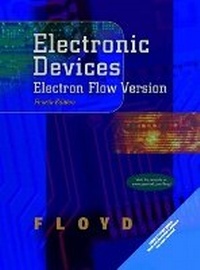
Electronic Devices
Electron Flow Version
4th Edition
Published on 14. August 2001
Book
Hardback
993 pages
978-0-13-028485-3 (ISBN)
Description
For courses in Basic Electronics and Electronic Devices and Circuits.
From discrete components to linear integrated circuits, this popular, up-to-date devices text takes a strong systems approach that identifies the circuits and components within a system, and helps students see how the circuit relates to the overall system function. Floyd is well known for straightforward, understandable explanations of complex concepts, as well as for non-technical, on-target treatment of mathematics. His coverage is carefully balanced between discrete and integrated circuits and his extensive use of examples makes even complex concepts understandable.
From discrete components to linear integrated circuits, this popular, up-to-date devices text takes a strong systems approach that identifies the circuits and components within a system, and helps students see how the circuit relates to the overall system function. Floyd is well known for straightforward, understandable explanations of complex concepts, as well as for non-technical, on-target treatment of mathematics. His coverage is carefully balanced between discrete and integrated circuits and his extensive use of examples makes even complex concepts understandable.
More details
Edition
4th edition
Language
English
Place of publication
United States
Publishing group
Pearson Education (US)
Target group
Professional and scholarly
Dimensions
Height: 283 mm
Width: 216 mm
Thickness: 37 mm
Weight
2300 gr
ISBN-13
978-0-13-028485-3 (9780130284853)
Copyright in bibliographic data and cover images is held by Nielsen Book Services Limited or by the publishers or by their respective licensors: all rights reserved.
Schweitzer Classification
Other editions
New editions
Thomas L. Floyd
Electronic Devices (Electron Flow Version)
Book
09/2004
5th Edition
Pearson
€63.13
Article exhausted; check for reprint
Previous edition

Book
07/1998
3rd Edition
Pearson
€44.56
Article exhausted; check for reprint
Content
(NOTE: Chapters conclude with System Applications section.)
1. Introduction to Semiconductors.
Atomic Structures. Semiconductors, Conductors, and Insulators. Covalent Bonds. Conduction in Semiconductors. N-Type and P-Type Semiconductors. The Diode. Biasing the Diode. Voltage-Current Characteristic of a Diode. Diode Models. Testing a Diode.
2. Diode Applications.
Half-Wave Rectifiers. Full-Wave Rectifiers. Power Supply Filters and Regulators. Diode Limiting and Clamping Circuits. Voltage Multipliers. The Diode Data Sheet. Troubleshooting.
3. Special-Purpose Diodes.
Zener Diodes. Zener Diode Applications. Varactor Diodes. Optical Diodes. Other Types of Diodes. Troubleshooting.
4. Bipolar Junction Transistors (BJTs).
Transistor Structure. Basic Transistor Operation. Transistor Characteristics and Parameters. The Transistor as an Amplifier. The Transistor as a Switch. Transistor Packages and Terminal Identification. Troubleshooting.
5. Transistor Bias Circuits.
The DC Operating Point. Transistor Packages and Terminal Identification. Troubleshooting.
6. BJT Amplifiers.
Amplifier Operation. Transistor AC Equivalent Circuits. The Common-Emitter Amplifier. The Common-Collector Amplifier. The Common-Base Amplifiers. Multistage Amplifiers. Troubleshooting.
7. Field-Effect Transistors (FETs).
The JFET. JFET Characteristics and Parameters. JFET Biasing. The MOSFET. MOSFET Characteristics and Parameters. MOSFET Biasing. Troubleshooting.
8. FET Amplifiers.
FET Amplification. Common-Source Amplifiers. Common-Drain Amplifiers. Common-Gate Amplifiers. Troubleshooting.
9. Power Amplifiers.
Class A Power Amplifiers. Class B and Class AB Push-Pull Amplifiers. Class C Amplifiers. Troubleshooting.
10. Amplifier Frequency Response.
Basic Concepts. The Decibel. Low-Frequency Amplifier Response. High-Frequency Amplifier Response. Total Amplifier Frequency Response. Frequency Response of Multistage Amplifiers. Frequency Response Measurement.
11. Thyristors and Other Devices.
The Basic 4-Layer Device. The Silicon-Controlled Rectifier (SCR). SCR Applications. The Diac and Triac. The Silicon-Controlled Switch (SCS). The Unijunction Transistor (UJT). The Programmable Unijunction Transistor (PUT). The Phototransistor. The Light-Activated SCR (LASCR). Optical Couplers.
12. Operational Amplifiers.
Introduction to Operational Amplifiers. Op-Amp Input Modes and Parameters. Negative Feedback. Op-Amps with Negative Feedback. Effects of Negative Feedback on Op-Amp Impedances. Bias Current and Offset Voltage Compensation. Open-Loop Response. Closed-Loop Response. Troubleshooting.
13. Basic Op-Amp Applications.
Comparators. Summing Amplifiers. Integrators and Differentiators. Troubleshooting.
14. Special-Purpose Op-Amp Circuits.
Instrumentation Amplifiers. Isolation Amplifiers. Operational Transconductance Amplifiers (OTAs). Log and Antilog Amplifiers. Converters and Other Op-Amp Circuits.
15. Active Filters.
Basic Filter Reponses. Filter Response Characteristics. Active Low-Pass Filters. Active High-Pass Filters. Active Band-Pass Filters. Active Band-Stop Filters. Filter Response Measurements.
16. Oscillators.
The Oscillator. Feedback Oscillator Principles. Oscillators with RC Feedback Circuits. Oscillators with LC Feedback Circuits. Relaxation Oscillators. The 555 Timer as an Oscillator.
17. Communications Circuits.
Basic Receivers. The Linear Multiplier. Amplitude Modulation. The Mixer. AM Demodulation. IF and Audio Amplifiers. Frequency Modulation. The Phase-Locked Loop (PLL).
18. Voltage Regulators.
Voltage Regulation. Basic Series Regulators. Basic Shunt Regulators. Basic Switching Regulators. Integrated Circuit Voltage Regulators. Applications of IC Voltage Regulators.
Appendix A: Table of Standard Resistor Values.
Appendix B: Derivations of Selected Equations.
Appendix C: Data Sheets.
Answers to Odd-Numbered Problems.
Glossary.
Index.
1. Introduction to Semiconductors.
Atomic Structures. Semiconductors, Conductors, and Insulators. Covalent Bonds. Conduction in Semiconductors. N-Type and P-Type Semiconductors. The Diode. Biasing the Diode. Voltage-Current Characteristic of a Diode. Diode Models. Testing a Diode.
2. Diode Applications.
Half-Wave Rectifiers. Full-Wave Rectifiers. Power Supply Filters and Regulators. Diode Limiting and Clamping Circuits. Voltage Multipliers. The Diode Data Sheet. Troubleshooting.
3. Special-Purpose Diodes.
Zener Diodes. Zener Diode Applications. Varactor Diodes. Optical Diodes. Other Types of Diodes. Troubleshooting.
4. Bipolar Junction Transistors (BJTs).
Transistor Structure. Basic Transistor Operation. Transistor Characteristics and Parameters. The Transistor as an Amplifier. The Transistor as a Switch. Transistor Packages and Terminal Identification. Troubleshooting.
5. Transistor Bias Circuits.
The DC Operating Point. Transistor Packages and Terminal Identification. Troubleshooting.
6. BJT Amplifiers.
Amplifier Operation. Transistor AC Equivalent Circuits. The Common-Emitter Amplifier. The Common-Collector Amplifier. The Common-Base Amplifiers. Multistage Amplifiers. Troubleshooting.
7. Field-Effect Transistors (FETs).
The JFET. JFET Characteristics and Parameters. JFET Biasing. The MOSFET. MOSFET Characteristics and Parameters. MOSFET Biasing. Troubleshooting.
8. FET Amplifiers.
FET Amplification. Common-Source Amplifiers. Common-Drain Amplifiers. Common-Gate Amplifiers. Troubleshooting.
9. Power Amplifiers.
Class A Power Amplifiers. Class B and Class AB Push-Pull Amplifiers. Class C Amplifiers. Troubleshooting.
10. Amplifier Frequency Response.
Basic Concepts. The Decibel. Low-Frequency Amplifier Response. High-Frequency Amplifier Response. Total Amplifier Frequency Response. Frequency Response of Multistage Amplifiers. Frequency Response Measurement.
11. Thyristors and Other Devices.
The Basic 4-Layer Device. The Silicon-Controlled Rectifier (SCR). SCR Applications. The Diac and Triac. The Silicon-Controlled Switch (SCS). The Unijunction Transistor (UJT). The Programmable Unijunction Transistor (PUT). The Phototransistor. The Light-Activated SCR (LASCR). Optical Couplers.
12. Operational Amplifiers.
Introduction to Operational Amplifiers. Op-Amp Input Modes and Parameters. Negative Feedback. Op-Amps with Negative Feedback. Effects of Negative Feedback on Op-Amp Impedances. Bias Current and Offset Voltage Compensation. Open-Loop Response. Closed-Loop Response. Troubleshooting.
13. Basic Op-Amp Applications.
Comparators. Summing Amplifiers. Integrators and Differentiators. Troubleshooting.
14. Special-Purpose Op-Amp Circuits.
Instrumentation Amplifiers. Isolation Amplifiers. Operational Transconductance Amplifiers (OTAs). Log and Antilog Amplifiers. Converters and Other Op-Amp Circuits.
15. Active Filters.
Basic Filter Reponses. Filter Response Characteristics. Active Low-Pass Filters. Active High-Pass Filters. Active Band-Pass Filters. Active Band-Stop Filters. Filter Response Measurements.
16. Oscillators.
The Oscillator. Feedback Oscillator Principles. Oscillators with RC Feedback Circuits. Oscillators with LC Feedback Circuits. Relaxation Oscillators. The 555 Timer as an Oscillator.
17. Communications Circuits.
Basic Receivers. The Linear Multiplier. Amplitude Modulation. The Mixer. AM Demodulation. IF and Audio Amplifiers. Frequency Modulation. The Phase-Locked Loop (PLL).
18. Voltage Regulators.
Voltage Regulation. Basic Series Regulators. Basic Shunt Regulators. Basic Switching Regulators. Integrated Circuit Voltage Regulators. Applications of IC Voltage Regulators.
Appendix A: Table of Standard Resistor Values.
Appendix B: Derivations of Selected Equations.
Appendix C: Data Sheets.
Answers to Odd-Numbered Problems.
Glossary.
Index.