

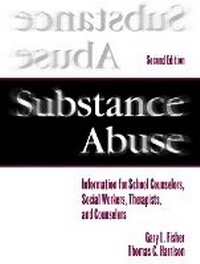
Substance Abuse
Information for School Counselors, Social Workers, Therapists, and Counselors
2nd Edition
Published on 8. December 1999
Book
Paperback/Softback
374 pages
978-0-205-30622-0 (ISBN)
Description
Substance Abuse, Second Edition, continues to provide counseling, social work, and other students with a detailed overview of the alcohol and other drug field. The new edition provides updated coverage and clinical examples to reflect the rapid changes in this area. New information includes the discussions of the latest edition of the Substance Abuse Subtle Screening Inventory, co-occurring disorders, and a section on the effect of managed care on professional ethics. The authors present balanced coverage of different treatment models as well as objective discussions of the controversies in the field.
More details
Edition
2nd edition
Language
English
Place of publication
United States
Publishing group
Pearson Education (US)
Target group
Professional and scholarly
Dimensions
Height: 233 mm
Width: 178 mm
Thickness: 18 mm
Weight
537 gr
ISBN-13
978-0-205-30622-0 (9780205306220)
Copyright in bibliographic data and cover images is held by Nielsen Book Services Limited or by the publishers or by their respective licensors: all rights reserved.
Schweitzer Classification
Other editions
New editions
Gary L. Fisher | Thomas C. Harrison
Substance Abuse
Information for School Counselors, Social Workers, Therapists, and Counselors
Book
08/2004
3rd Edition
Pearson
€78.17
Article exhausted; check for reprint
Previous edition

Gary L. Fisher | Thomas C. Harrison
Substance Abuse
Information for School Counselors, Social Workers, Therapists and Counselors
Book
05/1996
Allyn & Bacon
€60.84
Article exhausted; check different version
Content
Most chapters conclude with "Summary."
1.The Role of the Mental Health Professional in Prevention and Treatment.
The Need for Generalist Training.
Philosophical Orientation.
Attitudes and Beliefs.
Denial, Minimization, Projection, and Rationalization.
Helping Attitudes and Behaviors.
Overview of the Book.
2.Classification of Drugs.
Comprehensive Drug Abuse Prevention and Control Act.
The Concept of Dangerousness.
Definitions.
Central Nervous System Depressants.
Central Nervous System Stimulants.
Opioids.
Hallucinogens.
Cannabinols.
Inhalants and Volatile Hydrocarbons.
Anabolic Steroids.
Drugs Used in the Treatment of Mental Disorders.
Additional Reading.
3.Models of Addiction.
The Moral Model.
Sociocultural and Psychological Models of Addiction.
Medical Model of Addiction: The Disease Concept.
The Biopsychosocial Model of Addiction.
4.Culturally and Ethnically Diverse Groups.
Native Americans and Alaska Natives.
Asian Americans.
African Americans.
Latino/Hispanic Populations.
Helping Culturally and Ethnically Diverse Populations.
5.Assessment and Diagnosis.
Definitions of Use, Misuse, Abuse, and Dependence/Addiction.
Psychosocial History.
Signs of Adolescent Substance Abuse.
Self-Report Inventories.
Referral.
Diagnosis.
6.Intervention.
Definition of Intervention.
The Johnson Model of Intervention.
Effectiveness of Intervention and Coercive Treatment.
Motivational Interviewing.
7.Treatment of AOD Problems.
What Happens in Treatment?
Treatment Strategies and Techniques.
Treatment Settings.
Substance Abuse Treatment and Managed Care.
Treatment and Special Populations.
Treatment Effectiveness.
Client-Treatment Matching.
Special Problems in Treatment.
8.Twelve Step and Other Types of Support Groups.
Alcoholics Anonymous.
Other Twelve-Step Groups.
Advantages and Disadvantages of Twelve-Step Groups.
Other Types of Self-Help Groups.
9.Families.
Family Homeostasis.
Roles.
Family Rules.
Underlying Family Themes.
Family Subsystems and Boundaries.
Stepfamilies: System and Structure.
Helping Families.
Case Example.
10.Children from Chemically Dependent Families.
Children of Alcoholics (COAs).
Children Interpersonally Exposed to Alcohol and Other Drug Abuse.
Adult Children of Alcoholics (ACOAs).
Assessment and Treatment Considerations.
11.Codependency.
Definitions of Codependency.
Characteristics of Codependent Individuals.
Criticisms of Codependency
Two Case Examples.
Implications for Mental Health Professionals.
12.Relapse Prevention.
Need for Generalist Training in Relapse Prevention.
Definition of Slip and Relapse.
Frequency of Slips and Relapse.
Models of Relapse Prevention.
Essential Components to Relapse Prevention.
Preventing Slips from Escalation.
13.HIV/AIDS.
Prevalence and Incidence.
Myths and Facts about HIV and AIDS.
Risk Factors and High Risk Populations.
Assessment of Clients for HIV and AIDS: Signs and Symptoms.
Helping HIV-Infected Clients.
HIV-Related Issues Specific to the Helping Professional.
14.Other Addictions.
Two Points of View about Other Addictions.
Food Addiction: The Eating Disorders.
Gambling Addictions.
Addiction to Sex and Love.
Addiction to Work: Workaholism.
Theoretical Paradigms and "Other Addictions."
Assessment and Treatment Issues.
15.Prevention.
Why Are Prevention Efforts Needed?
Policy Issues in Prevention
Prevention Classification Systems.
What Works in Prevention.
Prevention Resources.
16.Confidentiality and Ethical Issues.
Confidentiality: 42 Code of Federal Regulations, Part 2 (42 CFR).
The Family Educational Rights and Privacy Act (FERPA) and the Hatch Amendment.
Documentation.
Ethics.
Application of Confidentiality Regulations.
References.
Index.
1.The Role of the Mental Health Professional in Prevention and Treatment.
The Need for Generalist Training.
Philosophical Orientation.
Attitudes and Beliefs.
Denial, Minimization, Projection, and Rationalization.
Helping Attitudes and Behaviors.
Overview of the Book.
2.Classification of Drugs.
Comprehensive Drug Abuse Prevention and Control Act.
The Concept of Dangerousness.
Definitions.
Central Nervous System Depressants.
Central Nervous System Stimulants.
Opioids.
Hallucinogens.
Cannabinols.
Inhalants and Volatile Hydrocarbons.
Anabolic Steroids.
Drugs Used in the Treatment of Mental Disorders.
Additional Reading.
3.Models of Addiction.
The Moral Model.
Sociocultural and Psychological Models of Addiction.
Medical Model of Addiction: The Disease Concept.
The Biopsychosocial Model of Addiction.
4.Culturally and Ethnically Diverse Groups.
Native Americans and Alaska Natives.
Asian Americans.
African Americans.
Latino/Hispanic Populations.
Helping Culturally and Ethnically Diverse Populations.
5.Assessment and Diagnosis.
Definitions of Use, Misuse, Abuse, and Dependence/Addiction.
Psychosocial History.
Signs of Adolescent Substance Abuse.
Self-Report Inventories.
Referral.
Diagnosis.
6.Intervention.
Definition of Intervention.
The Johnson Model of Intervention.
Effectiveness of Intervention and Coercive Treatment.
Motivational Interviewing.
7.Treatment of AOD Problems.
What Happens in Treatment?
Treatment Strategies and Techniques.
Treatment Settings.
Substance Abuse Treatment and Managed Care.
Treatment and Special Populations.
Treatment Effectiveness.
Client-Treatment Matching.
Special Problems in Treatment.
8.Twelve Step and Other Types of Support Groups.
Alcoholics Anonymous.
Other Twelve-Step Groups.
Advantages and Disadvantages of Twelve-Step Groups.
Other Types of Self-Help Groups.
9.Families.
Family Homeostasis.
Roles.
Family Rules.
Underlying Family Themes.
Family Subsystems and Boundaries.
Stepfamilies: System and Structure.
Helping Families.
Case Example.
10.Children from Chemically Dependent Families.
Children of Alcoholics (COAs).
Children Interpersonally Exposed to Alcohol and Other Drug Abuse.
Adult Children of Alcoholics (ACOAs).
Assessment and Treatment Considerations.
11.Codependency.
Definitions of Codependency.
Characteristics of Codependent Individuals.
Criticisms of Codependency
Two Case Examples.
Implications for Mental Health Professionals.
12.Relapse Prevention.
Need for Generalist Training in Relapse Prevention.
Definition of Slip and Relapse.
Frequency of Slips and Relapse.
Models of Relapse Prevention.
Essential Components to Relapse Prevention.
Preventing Slips from Escalation.
13.HIV/AIDS.
Prevalence and Incidence.
Myths and Facts about HIV and AIDS.
Risk Factors and High Risk Populations.
Assessment of Clients for HIV and AIDS: Signs and Symptoms.
Helping HIV-Infected Clients.
HIV-Related Issues Specific to the Helping Professional.
14.Other Addictions.
Two Points of View about Other Addictions.
Food Addiction: The Eating Disorders.
Gambling Addictions.
Addiction to Sex and Love.
Addiction to Work: Workaholism.
Theoretical Paradigms and "Other Addictions."
Assessment and Treatment Issues.
15.Prevention.
Why Are Prevention Efforts Needed?
Policy Issues in Prevention
Prevention Classification Systems.
What Works in Prevention.
Prevention Resources.
16.Confidentiality and Ethical Issues.
Confidentiality: 42 Code of Federal Regulations, Part 2 (42 CFR).
The Family Educational Rights and Privacy Act (FERPA) and the Hatch Amendment.
Documentation.
Ethics.
Application of Confidentiality Regulations.
References.
Index.