

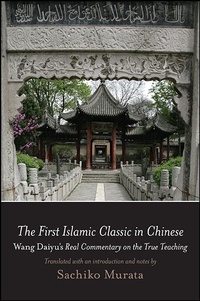
The First Islamic Classic in Chinese
Wang Daiyu's Real Commentary on the True Teaching
State University of New York Press
Published on 1. April 2017
Book
Paperback/Softback
282 pages
978-1-4384-6507-4 (ISBN)
Description
A translation of Wang Daiyu's Real Commentary on the True Teaching, the first and most influential work written in the Chinese language on Islam.
Published in 1642, Wang Daiyu's Real Commentary on the True Teaching was the first significant presentation of Islam in the Chinese language by a Muslim scholar. It set the standard for the expression of Islamic theology, Sufism, and ethics in Chinese, and became the literary foundation of a school of thought that has been called "Muslim Confucianism." In contrast to Muslim scholars writing in every other language, Wang avoided Arabic words, opting instead to reconfigure the religion in terms of Chinese concepts and categories. Employing the terminology of Neo-Confucian philosophy, his overview of Islam is thus both congenial to the mainstream Islamic tradition and reaffirms Confucian teachings about the human duty to establish harmony between heaven and earth. This book will appeal to those curious about the manner in which Islam has flourished in China over the past thousand years, as well as those interested in dialogue among religions and the significance of religious diversity.
Published in 1642, Wang Daiyu's Real Commentary on the True Teaching was the first significant presentation of Islam in the Chinese language by a Muslim scholar. It set the standard for the expression of Islamic theology, Sufism, and ethics in Chinese, and became the literary foundation of a school of thought that has been called "Muslim Confucianism." In contrast to Muslim scholars writing in every other language, Wang avoided Arabic words, opting instead to reconfigure the religion in terms of Chinese concepts and categories. Employing the terminology of Neo-Confucian philosophy, his overview of Islam is thus both congenial to the mainstream Islamic tradition and reaffirms Confucian teachings about the human duty to establish harmony between heaven and earth. This book will appeal to those curious about the manner in which Islam has flourished in China over the past thousand years, as well as those interested in dialogue among religions and the significance of religious diversity.
Reviews / Votes
"...The First Islamic Classic in Chinese will appeal to scholars in the field of comparative religion and intellectual history of Islam. The book will also add to the understanding of those interested in the conditions of Muslims as minorities and in the new meanings Islam gains through interaction with non-Muslim religious and intellectual traditions. The value of the book in the field of Chinese studies also cannot be ignored." - Dao"...[an] invaluable translation ... While the volume will be most welcomed by specialists it will also be useful for teachers who want to incorporate primary documents about Islam into their courses on Chinese religions or Islam. Both the novice and the expert will gain much from reading through The First Islamic Classic." - Reading Religion
More details
Language
English
Place of publication
Albany, NY
United States
Target group
Professional and scholarly
College/higher education
US School Grade: College Graduate Student and over
Product notice
Paperback (trade)
sewn/stitched
Cloth over boards
Dimensions
Height: 231 mm
Width: 152 mm
Thickness: 23 mm
Weight
544 gr
ISBN-13
978-1-4384-6507-4 (9781438465074)
Copyright in bibliographic data and cover images is held by Nielsen Book Services Limited or by the publishers or by their respective licensors: all rights reserved.
Schweitzer Classification
Other editions
Additional editions
The First Islamic Classic in Chinese
Wang Daiyu's Real Commentary on the True Teaching
E-Book
03/2017
1st Edition
De Gruyter
from
€84.99
Available for download
Persons
Sachiko Murata is Professor of Religious Studies at Stony Brook University, State University of New York. Her books include The Tao of Islam: A Sourcebook on Gender Relationships in Islamic Thought, also published by SUNY Press.
Content
Acknowledgments
Introduction
Wang Daiyu
Taw?id Chinese Style
Cosmic Hierarchy
Moral Perfection
Observing Propriety
The Contemporary Relevance
The Text and Translation
Notes
The Real Commentary on the True Teaching
Self-Narrative
Record of Questions and Answers
Book One
1.1. The Real One
1.2. The Original Beginning
1.3. Predetermination
1.4. Universal Compassion
1.5. The Real Solicitude
1.6. The Real Sage
1.7. Similarity to the Real
1.8. Changing the Real
1.9. Darkening the Real
1.10. The Outstanding Differences
1.11. Nature and Mandate
1.12. The Real Heart
1.13. Life and Death
1.14. The Level of the Human
1.15. Husband and Wife
1.16. Immortals and Spirits
1.17. The True Teaching
1.18. The True Learning
1.19. Huihui: The Returning Returners
1.20. Bearing Witness
Book Two
2.1. The Five Constants
2.2. Real Loyalty
2.3. Utmost Filial Piety
2.4. Listening to the Mandate
2.5. The Chief Leader
2.6. The Way of Friendship
2.7. Taking and Putting Aside
2.8. Preparation
2.9. Observing the Moments
2.10. Reflection and Wakefulness
2.11. Name and Profit
2.12. Living up to the Measure
2.13. Sacrificing Animals
2.14. Meat and Vegetables
2.15. Gambling and Drinking
2.16. Interest and Hoarding
2.17. Wind and Water
2.18. The True Mandate
2.19. This World
2.20. The Afterworld
Cited Works
Index
Introduction
Wang Daiyu
Taw?id Chinese Style
Cosmic Hierarchy
Moral Perfection
Observing Propriety
The Contemporary Relevance
The Text and Translation
Notes
The Real Commentary on the True Teaching
Self-Narrative
Record of Questions and Answers
Book One
1.1. The Real One
1.2. The Original Beginning
1.3. Predetermination
1.4. Universal Compassion
1.5. The Real Solicitude
1.6. The Real Sage
1.7. Similarity to the Real
1.8. Changing the Real
1.9. Darkening the Real
1.10. The Outstanding Differences
1.11. Nature and Mandate
1.12. The Real Heart
1.13. Life and Death
1.14. The Level of the Human
1.15. Husband and Wife
1.16. Immortals and Spirits
1.17. The True Teaching
1.18. The True Learning
1.19. Huihui: The Returning Returners
1.20. Bearing Witness
Book Two
2.1. The Five Constants
2.2. Real Loyalty
2.3. Utmost Filial Piety
2.4. Listening to the Mandate
2.5. The Chief Leader
2.6. The Way of Friendship
2.7. Taking and Putting Aside
2.8. Preparation
2.9. Observing the Moments
2.10. Reflection and Wakefulness
2.11. Name and Profit
2.12. Living up to the Measure
2.13. Sacrificing Animals
2.14. Meat and Vegetables
2.15. Gambling and Drinking
2.16. Interest and Hoarding
2.17. Wind and Water
2.18. The True Mandate
2.19. This World
2.20. The Afterworld
Cited Works
Index