

A Decolonial Ecology
Thinking from the Caribbean World
1st Edition
Published on 2. December 2021
Book
Paperback/Softback
300 pages
978-1-5095-4623-7 (ISBN)
Description
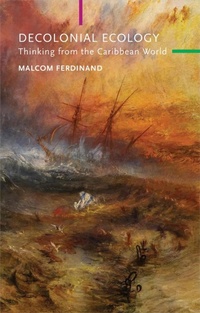
The world is in the midst of a storm. A storm that has shaped the history of modernity along a double fracture: on the one hand, an environmental fracture driven by a technocratic and capitalist civilization that led to the ongoing devastation of the Earth's ecosystems and its human and non-human communities, and, on the other hand, a colonial fracture instilled by Western colonization and imperialism that resulted in slavery and the domination of Indigenous peoples and women in particular.
While these two sides are thought about separately, the tempest continues unabated. So far, environmental thought has maintained this divide, suggesting a Noah's ark that conceals social inequalities, gender discrimination and racism, and neglects demands for justice. In this important new book, Malcom Ferdinand challenges this double fracture, thinking from the Caribbean world. Here, the slave ship reveals the inequalities that persist during the storm: some are shackled inside the hold and even thrown overboard at the first gusts of wind. Drawing on empirical and theoretical work in the Caribbean, Ferdinand conceptualizes a decolonial ecology that holds together the protection of the environment and the political struggles against (post)colonial domination, structural racism, and misogynistic practices.
Facing the storm, this book is an invitation to build a world-ship where humans and non-humans can live together on a bridge of justice and shape a common world. It will be of great interest to students and scholars in environmental humanities, Latin American and Caribbean studies, social and political theory, and anyone interested in ecology, slavery, and (de)colonization.
While these two sides are thought about separately, the tempest continues unabated. So far, environmental thought has maintained this divide, suggesting a Noah's ark that conceals social inequalities, gender discrimination and racism, and neglects demands for justice. In this important new book, Malcom Ferdinand challenges this double fracture, thinking from the Caribbean world. Here, the slave ship reveals the inequalities that persist during the storm: some are shackled inside the hold and even thrown overboard at the first gusts of wind. Drawing on empirical and theoretical work in the Caribbean, Ferdinand conceptualizes a decolonial ecology that holds together the protection of the environment and the political struggles against (post)colonial domination, structural racism, and misogynistic practices.
Facing the storm, this book is an invitation to build a world-ship where humans and non-humans can live together on a bridge of justice and shape a common world. It will be of great interest to students and scholars in environmental humanities, Latin American and Caribbean studies, social and political theory, and anyone interested in ecology, slavery, and (de)colonization.
More details
Other editions
Additional editions
Malcom Ferdinand
A Decolonial Ecology: Thinking from the Caribbean World
Thinking from the Caribbean World
Book
12/2021
1st Edition
Polity Press
€81.00
Article not available at the moment
E-Book
11/2021
1st Edition
Wiley
from
€18.99
Available for download
E-Book
11/2021
1st Edition
Wiley
€18.99
Available for download
Persons
Malcom Ferdinand is a researcher in political ecology and the environmental humanities at the CNRS, Paris.
Content
List of Illustrations
Index of Ships
Acknowledgements
Foreword - Angela Davis
Prologue
Part 1: The Modern Tempest: Environmental Violence and Colonial Ruptures
Chapter 1: Colonial Inhabitation: An Earth without a World
Chapter 2: The Matricides of the Plantationocene
Chapter 3: The Hold and the Negrocene
Chapter 4: The Colonial Hurricane
Part 2: Noah's Ark: When Environmentalism Refuses the World
Chapter 5: Noah's Ark: Boarding, or the abandonment of the world
Chapter 6: Reforesting without the World (Haiti)
Chapter 7: Paradise or Hell in the Nature Preserves (Puerto Rico)
Chapter 8: The Masters' Chemistry (Martinique and Guadeloupe)
Chapter 9: A Colonial Ecology: At the Heart of the Double Fracture
Part 3: The Slave Ship: Rising Up from Modernity's Hold in Search of a World
Chapter 10: The Slave Ship: Debarking Off-World
Chapter 11: Maroon Ecology: Fleeing the Plantationocene
Chapter 12: Rousseau, Thoreau, and Civil Marronage
Chapter 13: A Decolonial Ecology: Rising up from the hold
Part 4: A World-Ship: World-Making Beyond the Double Fracture
Chapter 14: A World-Ship: Politics of encounter
Chapter 15: Forming a Body in the World: Reconnecting with a Mother-Earth
Chapter 16: Interspecies Alliances: The Animal Cause and The Negro Cause
Chapter 17: A Worldly-Ecology: On the Bridge of Justice
Epilogue
World-Making
The Intrusion of Ayiti
Recovering the Sun of Africa
Notes
Index of Ships
Acknowledgements
Foreword - Angela Davis
Prologue
Part 1: The Modern Tempest: Environmental Violence and Colonial Ruptures
Chapter 1: Colonial Inhabitation: An Earth without a World
Chapter 2: The Matricides of the Plantationocene
Chapter 3: The Hold and the Negrocene
Chapter 4: The Colonial Hurricane
Part 2: Noah's Ark: When Environmentalism Refuses the World
Chapter 5: Noah's Ark: Boarding, or the abandonment of the world
Chapter 6: Reforesting without the World (Haiti)
Chapter 7: Paradise or Hell in the Nature Preserves (Puerto Rico)
Chapter 8: The Masters' Chemistry (Martinique and Guadeloupe)
Chapter 9: A Colonial Ecology: At the Heart of the Double Fracture
Part 3: The Slave Ship: Rising Up from Modernity's Hold in Search of a World
Chapter 10: The Slave Ship: Debarking Off-World
Chapter 11: Maroon Ecology: Fleeing the Plantationocene
Chapter 12: Rousseau, Thoreau, and Civil Marronage
Chapter 13: A Decolonial Ecology: Rising up from the hold
Part 4: A World-Ship: World-Making Beyond the Double Fracture
Chapter 14: A World-Ship: Politics of encounter
Chapter 15: Forming a Body in the World: Reconnecting with a Mother-Earth
Chapter 16: Interspecies Alliances: The Animal Cause and The Negro Cause
Chapter 17: A Worldly-Ecology: On the Bridge of Justice
Epilogue
World-Making
The Intrusion of Ayiti
Recovering the Sun of Africa
Notes